Project management contingency planning is essential for ensuring project success. A well-structured contingency plan acts as a safety net, enabling organizations to swiftly navigate unexpected challenges and maintain operational continuity. This article explores the critical steps involved in developing an effective contingency plan, highlights common pitfalls to avoid, and underscores the importance of integrating such plans into the broader risk management framework. By fostering a culture of preparedness, businesses can not only safeguard their objectives but also empower their teams to respond effectively in times of crisis.
What is a contingency plan?
A in project management is a strategic framework designed to be activated when identified risks materialize. Often referred to as a "Plan B," this approach helps organizations effectively navigate unexpected challenges. Essentially, it outlines specific actions that project teams must take to mitigate the negative impacts of risks on objectives, timelines, and budgets.
Integrating contingency plans into the overall framework is essential for enterprise project management. These plans serve as structured responses to uncertainties and can utilize such as to identify and address potential threats. By crafting effective contingency plans, project managers can pinpoint vulnerabilities and develop targeted strategies to minimize the chances of delays and budget overruns, fostering a resilient project environment.
A well-defined contingency plan serves multiple purposes. It provides clarity, ensuring that all team members understand their roles during a crisis, and enhances decision-making by offering predefined actions based on specific risk scenarios. This empowers organizations to maintain momentum amidst disruptions, safeguarding and project integrity. Importantly, distinction between contingency plans and mitigation plans is crucial. Mitigation plans proactively reduce the likelihood of risks, while contingency plans react to risks once they occur. Understanding this difference allows project managers to create balanced strategies that anticipate and respond to challenges effectively.
Get the best contingency plan tool for free
Contingency plan vs. mitigation plan
In project management, understanding the distinct roles of contingency plans and plans is crucial for . While these terms are often used interchangeably, they serve different purposes and are suited for specific scenarios.
Contingency plans
- A contingency plan is a backup strategy activated when unforeseen events or risks impact a project's timeline, budget, or quality.
- It outlines specific steps to be taken upon the occurrence of a risk event, ensuring a quick and effective response.
- By having a detailed plan in place, teams can mitigate negative impacts and maintain project continuity.
Mitigation plans
- In contrast, a mitigation plan is proactive, focusing on preventing potential risks before they occur.
- It involves strategies to reduce the likelihood of risk events and their impacts if they do happen.
- By addressing risks before they materialize, organizations enhance their chances of success and create a solid framework for project execution.
Key differences
- Contingency plans are reactive, responding to risks that have already developed, while mitigation plans are proactive, aimed at minimizing the likelihood of risks arising.
- Additionally, contingency plans are typically more detailed and specific, while mitigation plans are broader and more strategic in nature.
Both contingency and mitigation plans are essential elements of . Their differing focuses complement each other, fostering a more resilient project management strategy. By integrating both approaches, teams can enhance their preparedness and adaptability in the face of challenges, leading to more positive project outcomes. Understanding when and how to implement each plan is essential for project managers aiming to navigate risks successfully.
Why is contingency planning important
Contingency planning is vital in project management, equipping teams to handle unexpected events effectively. In an unpredictable environment, having a robust contingency plan enables project managers to respond quickly, ensuring that objectives remain on track despite disruptions. A well-structured planning process serves multiple purposes, from safeguarding financial stability to reassuring stakeholders and maintaining project continuity.
Here are the key benefits of contingency planning in project management:
- Ensures continuity of operations: Contingency plans help keep critical tasks running smoothly during unforeseen events, minimizing downtime and protecting timelines and budgets.
- Mitigates financial risks: Preparedness reduces financial costs associated with emergencies, such as lost revenue. With predefined strategies, project managers can minimize losses effectively.
- Enhances reputation and trust: Demonstrating preparedness builds trust among clients and stakeholders. Organizations that handle disruptions well are seen as reliable, strengthening relationships.
- Supports compliance requirements: Many industries require contingency planning to meet regulatory guidelines. Having plans in place ensures compliance and avoids penalties.
- Reduces panic during crises: Clear emergency response plans minimize confusion among team members, fostering a more organized response during challenges.
Ultimately, contingency plans do more than prevent disasters; they reflect a commitment to effective and long-term success. Project managers should proactively develop contingency strategies to protect objectives and navigate uncertainties effectively. Investing in contingency planning empowers teams to thrive in the face of adversity.
Get all these key benefits with a smart tool
How to create a contingency plan
Creating a contingency plan is an essential part of project management, allowing teams to respond effectively to unexpected events. A well-structured plan helps mitigate risks and ensures continuity of operations. Here's a systematic step-by-step guide to developing an effective contingency plan.
Step 1: Identify key business processes and resources
Start by identifying the key processes and resources that your project relies on to achieve its goals. Understanding what is vital to your operations helps highlight which areas are most susceptible to disruption. Make a list of essential processes and resources, prioritizing them based on their significance to .
Step 2: Identify potential risks
After establishing your key processes, associated with them. Involve team members and stakeholders in brainstorming sessions to gather insights on vulnerabilities. Common risks can include supplier failures, technology outages, regulatory changes, or unforeseen economic factors.
Step 3: Assess risks
Once you have a list of potential risks, evaluate each risk's likelihood of occurrence and impact on the project. Use a risk assessment matrix to categorize risks as high, medium, or low priority. This helps determine which risks require immediate attention and targeted strategies.
Step 4: Develop response strategies
For each high-priority risk, outline specific response strategies that will be implemented if the risk materializes. These strategies should detail actionable steps to minimize the impact of the risk on your project's timeline, budget, and quality. Ensure these strategies are practical and align with available resources.
Step 5: Establish trigger points
Clearly define the circumstances under which the contingency plan will be activated. Identifying specific trigger events—such as critical delays, budget overruns, or supplier issues—ensures that team members know when to implement the plan and what actions to take.
Step 6: Define communication protocols
Establish clear to ensure that all stakeholders are informed promptly during a disruption. Outline who will communicate updates, what information will be shared, and how notifications will be delivered. Consistent communication is key to maintaining stakeholder confidence and coordination during crises.
Follow these steps in an all-in-one platform
Common challenges to consider
When creating a contingency plan, project managers may encounter several challenges:
- Low priority perception: Contingency planning might be regarded as a low priority, leading to delays in development. However, neglecting this critical step can leave projects vulnerable to significant risks.
- Overconfidence in existing plans: Team members may become overly reliant on their initial plans, which can hinder comprehensive preparation for alternative scenarios.
- Lack of stakeholder buy-in: If stakeholders are not fully aware of or invested in the plan, effective implementation can be compromised.
By following this structured approach, organizations can create a robust contingency plan that enhances project resilience in the face of unexpected challenges. Preparedness ensures that when disruptions do occur, the team can respond effectively and maintain momentum toward successful project completion.
Contingency plan examples
In project management, having a contingency plan is crucial for addressing unforeseen events that could disrupt progress. Below are examples of contingency plans tailored for various scenarios that project teams may encounter.
Supply chain contingency plan
Imagine a manufacturing business tasked with producing goods for an important client. One of the most significant risks is shortages, particularly if primary suppliers cannot deliver raw materials on time. To mitigate this risk, the manufacturing firm should establish relationships with secondary suppliers and create standing orders for essential materials. This ensures that the business has backup sources readily available, allowing production to continue smoothly even in the event of a disruption.
Key action steps
- Source and vet additional suppliers.
- Negotiate terms for standing orders to secure necessary materials.
- Monitor inventory levels regularly to anticipate shortages.
Machinery breakdown contingency plan
Machinery malfunctions can significantly halt production, leading to costly delays. To prepare for this risk, the organization should have a plan in place that includes hiring additional maintenance staff and keeping an inventory of critical spare parts. This proactive approach ensures that any issues can be addressed quickly, minimizing downtime and maintaining production schedules.
Key action steps
- Maintain a regular maintenance schedule for equipment.
- Identify and stock essential spare parts for quick replacements.
- Train staff on emergency repair procedures.
Project delays due to team performance
In scenarios where team members are not meeting project timelines, the management must act to reallocate resources effectively. This may include bringing in temporary contractors or redistributing workloads among existing team members. The contingency plan should outline how to mobilize additional labor to compensate for delays while also managing any resulting budget impacts.
Key action steps
- Assess and track individual team performance against .
- Create a flexible labor pool of contractors that can be called upon when needed.
- Communicate openly with the team to ensure transparency about workload changes and expectations.
Technology contingency plan
As organizations become increasingly reliant on technology, a contingency plan for potential tech failures, such as server outages or data breaches, becomes essential. This plan should outline clear steps for data protection, including regular backups and cybersecurity measures. When a tech failure occurs, having a structured response can help mitigate the impact on operations.
Key action steps
- Implement regular data backup procedures and protocols.
- Train staff on recognizing potential security threats and reporting them.
- Establish immediate communication protocols with IT support and stakeholders during tech crises.
Reap these examples on your own
Build your contingency plan with Lark
In modern project management, having a contingency plan is essential to ensure that teams can effectively respond to unexpected situations. provides a robust suite of tools that facilitates real-time collaboration, task automation, and efficient emergency responses. With Lark, teams can build, implement, and manage their contingency plans on a unified platform, ensuring they can respond swiftly and effectively when challenges arise.
Real-time collaboration and communication
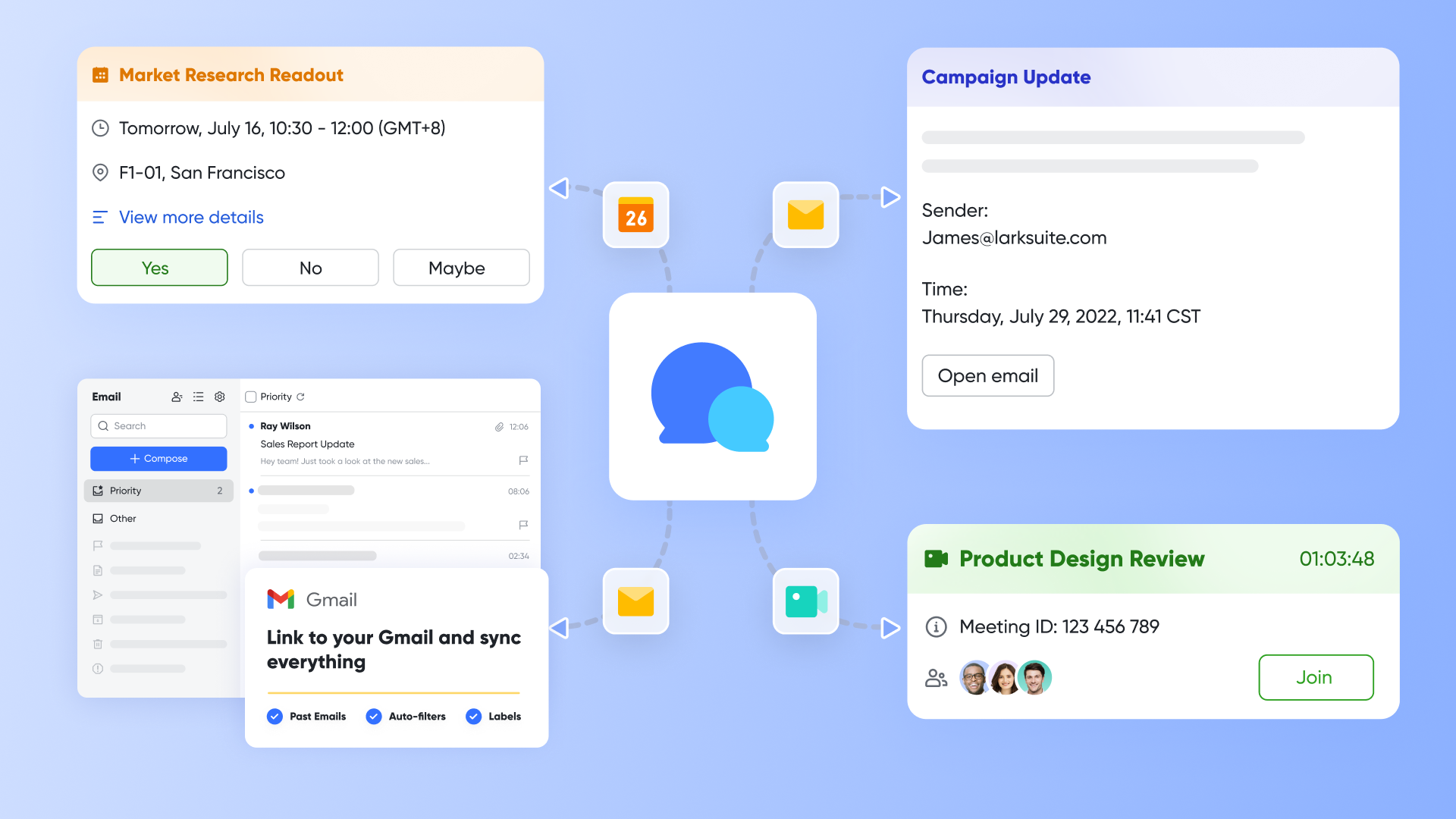
Lark enables real-time collaboration through its built-in communication tools, allowing for seamless interactions among team members. Features such as , , , and file sharing streamline communication, making it easier to implement emergency plans. This centralized communication approach simplifies the execution of contingency plans, enabling team members to access and share information quickly and effectively.
During emergencies, team synchronization is crucial. Lark ensures that all team members stay updated on changes and can react swiftly when situations arise. allows teams to share and align plans before meetings, collaborate in real time during discussions, and continue conversations post-meeting through group chats, ensuring everyone remains on the same page throughout the process.
Automation and intelligent features
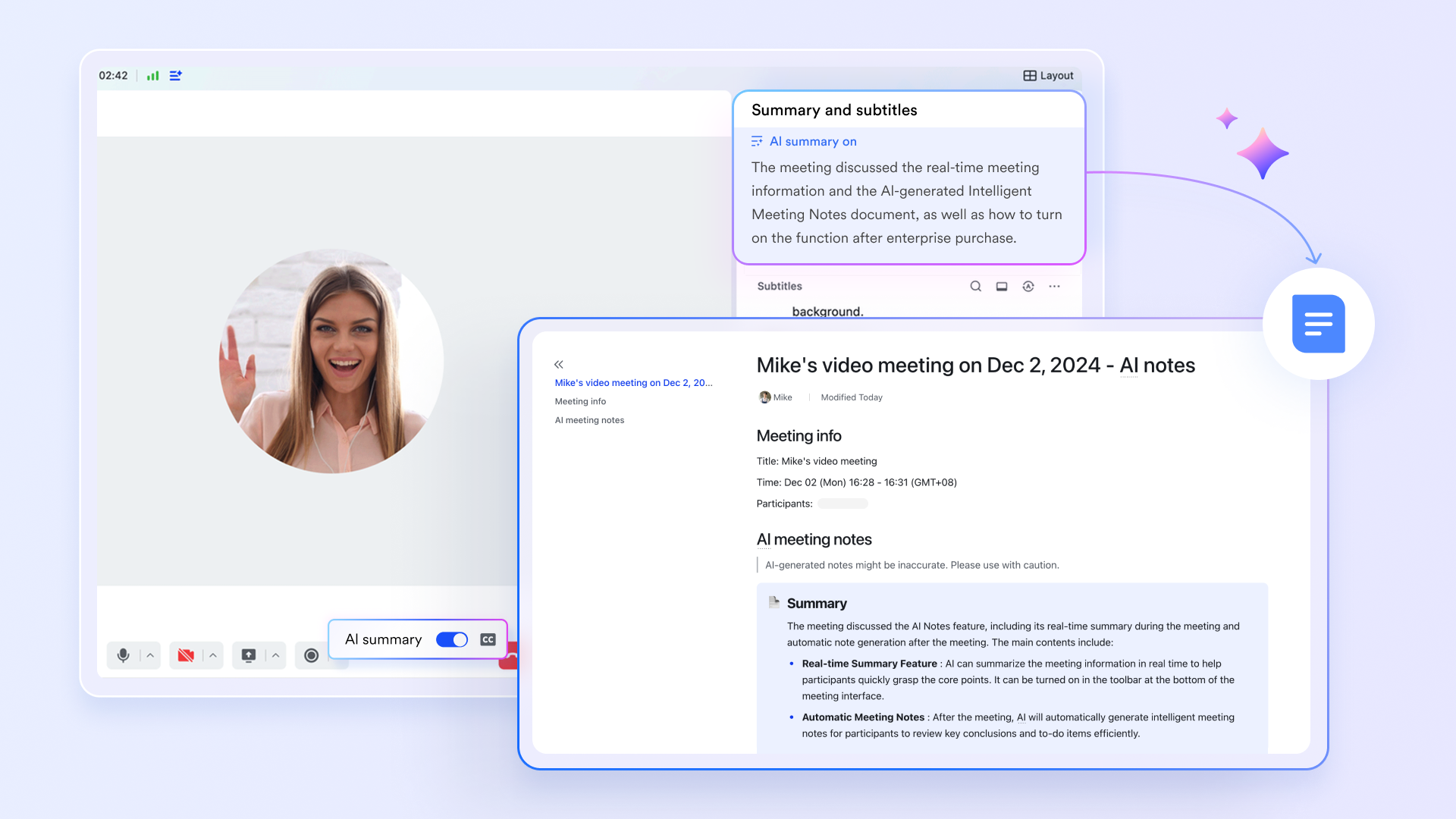
Lark offers several intelligent features and automation tools that support efficient emergency response and real-time plan updates. For instance, Lark's automatically generate key points and action items after meetings, helping teams quickly align on what needs to be done. This reduces the burden of manual note-taking, allowing teams to focus more on the emergency response itself.
Additionally, allows multiple users to edit and update contingency plans in real time, ensuring that information is always current and accurate. Automated reminders can also be set up to streamline approvals and ensure timely responses during emergencies. provides automation tools for handling repetitive tasks, further enhancing efficiency. With , scheduling important events and deadlines is easy, ensuring that no crucial tasks slip through the cracks.
Support for emergency plan implementation
Lark Tasks supports the implementation of contingency plans in various ways to ensure efficient management of tasks. Users can personalize task lists by adding custom fields and organizing boards with distinct sections and shapes to improve task management. 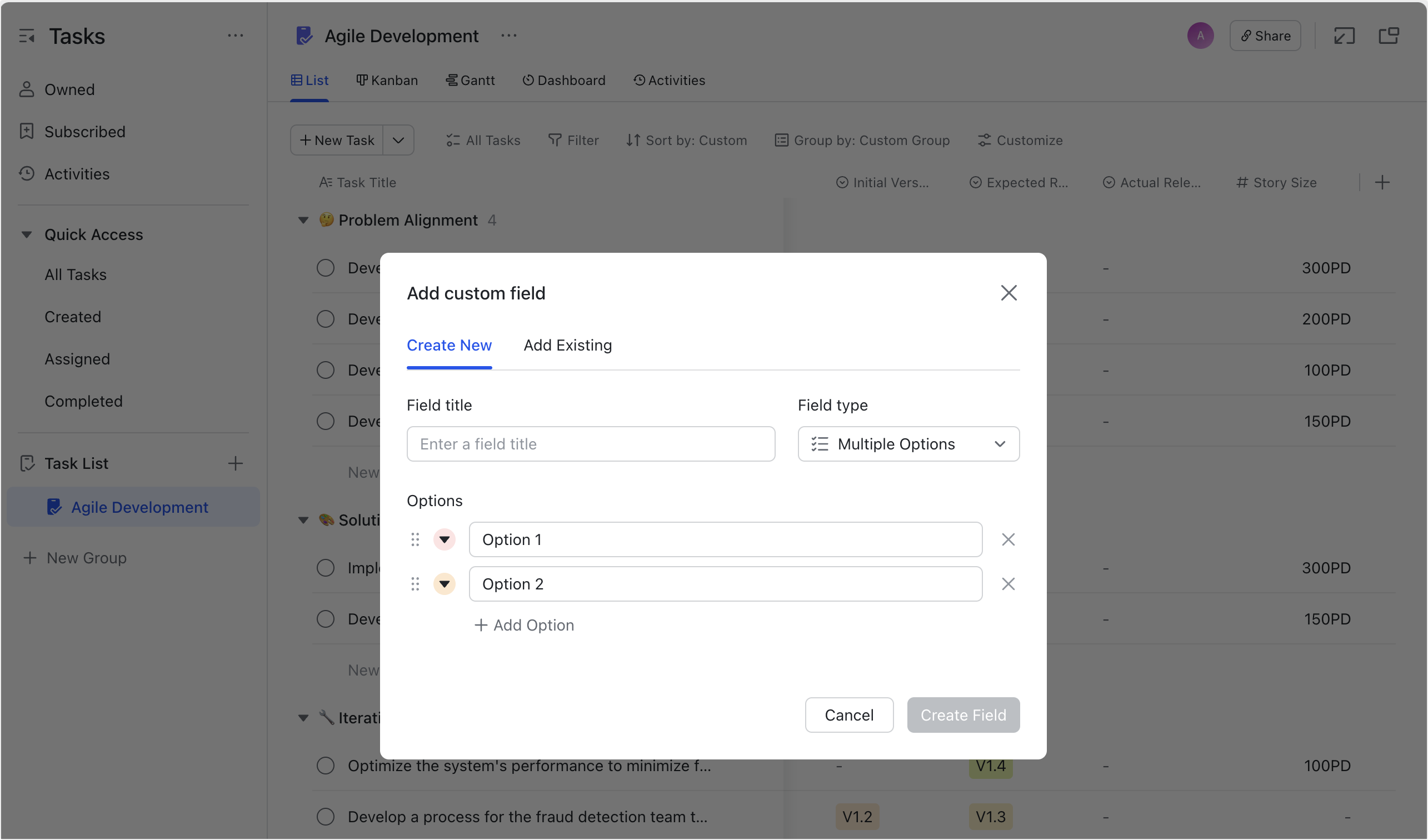
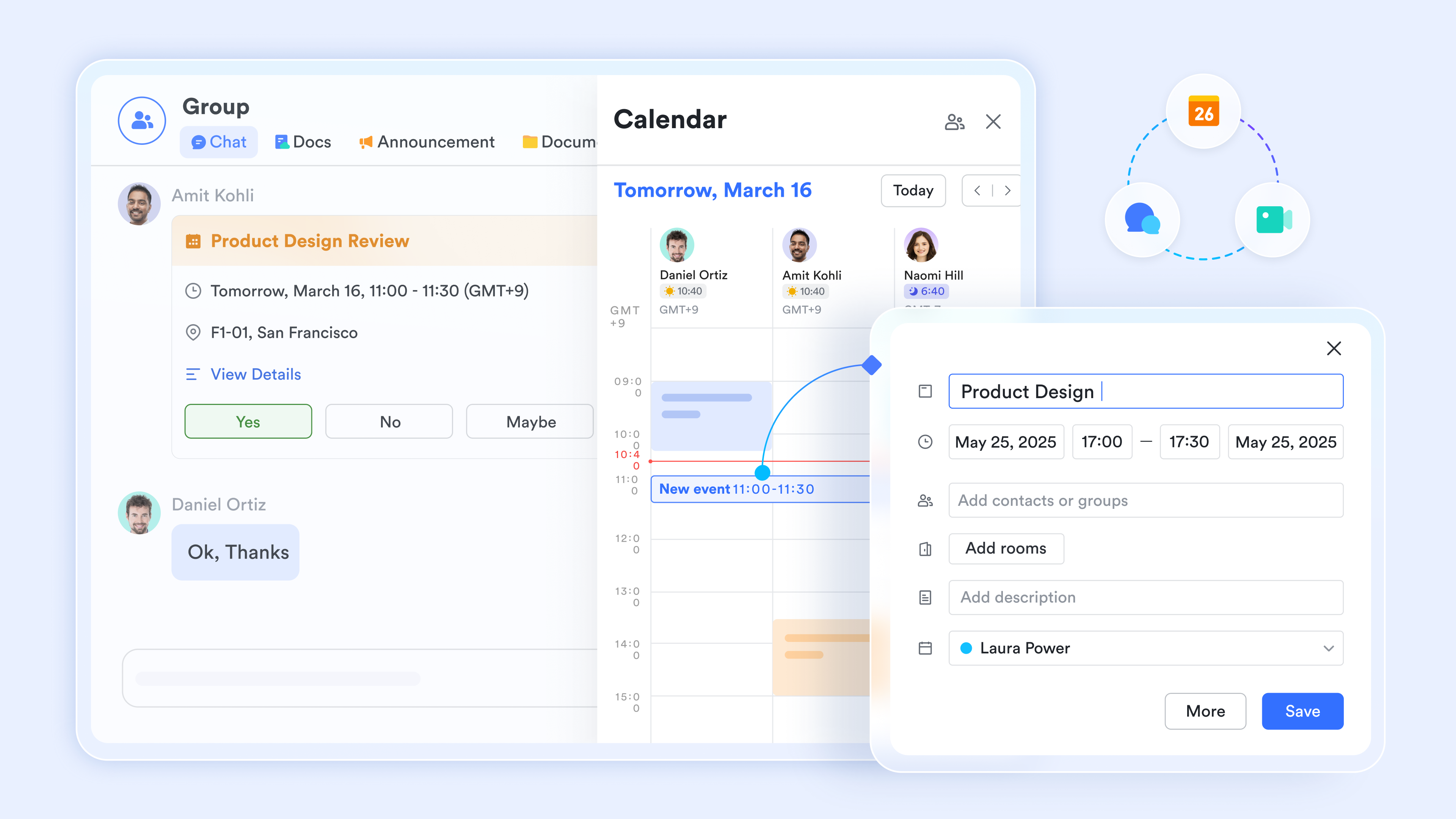
When it comes to assigning responsibilities, Lark Calendar events and shared documents can be used during video meetings to assign tasks and collaborate in real time. This flexibility allows team members to clearly understand their roles within the emergency plan, boosting collaboration and accountability.
Data security assurance
Data security is paramount when implementing contingency plans. Lark provides advanced permission settings in and that allow teams to control access to sensitive information. By ensuring that only authorized users can view or edit crucial data, Lark not only protects team information but also instills confidence in members handling sensitive tasks.
As teams work together to build their contingency plans, Lark's comprehensive functionality offers them the flexibility and efficiency they need. Whether creating plans, responding to emergencies, or conducting post-implementation evaluations, Lark supports teams in adapting quickly to varying circumstances. Its user-friendly interface and intuitive features enable teams to seamlessly integrate into emergency response workflows.
Pricing
- Starter plan: Free forever plan that includes 11 powerful tools for up to 20 users. It also comes with 100GB of storage, 1000 automation runs, AI translations, and more.
- Pro plan: $12/user/month (billed annually) for up to 500 users. It includes everything in Starter plus group calling for up to 500 attendees, 15TB of storage, 50,000 automation runs, and more.
- Enterprise plan: for custom pricing. Supports unlimited users and includes even more automation runs and advanced security, compliance, and management features.
For small teams with simple communication needs

18 months message history
1000 Base automation runs/month
2000 rows per table in Base
Most POPULAR
For companies with comprehensive collaboration and management needs
Unlimited message history
500-participant video meetings
50k Base automation runs/month
20k rows per table in Base
For large companies with advanced security and organizational management needs
Get a personalized demo and pricing
Unlimited message history
500-participant video meetings
15 TB storage + 30 GB storage/user
500k Base automation runs/month
50k Base automation runs/month
Most POPULAR
For companies with comprehensive collaboration and management needs
Unlimited message history
500-participant video meetings
50k Base automation runs/month
20k rows per table in Base
Common mistakes and how to avoid them
Developing a comprehensive contingency plan is crucial for businesses aiming to maintain operational continuity in the face of unexpected events. However, there are several common pitfalls that organizations often encounter during the contingency planning process. Understanding and addressing these mistakes can significantly enhance the effectiveness of any emergency preparedness strategy.
Insufficient leadership buy-in
One major mistake is failing to secure buy-in from . A contingency plan requires time and resources, and without executive support, implementation becomes challenging. To mitigate this, engage sponsors and decision-makers from the start. Keeping them informed about potential risks fosters confidence and encourages collaboration.
Resistance to backup planning
Another error is relying too heavily on a single strategy, creating a false sense of security. A contingency plan should be viewed as a safety net rather than a sign of failure. Emphasize the importance of preparedness and adaptability, promoting a culture that values alternative strategies as vital tools for overcoming challenges.
Neglecting to update the plan
Many organizations mistakenly think their job is done after completing a plan, leaving them vulnerable to changing circumstances or new risks. Establish a regular review process to evaluate the plan's relevance, encouraging team discussions about lessons learned and feedback for keeping it actionable.
Lack of training and awareness
Neglecting to train staff on the plan renders even the best strategies ineffective. Regular training and simulations ensure team members understand their roles and during emergencies. By fostering awareness and understanding, organizations can enhance preparedness and confidence in executing the plan when it matters most.
Conclusion
In an increasingly unpredictable world, having a robust contingency plan is no longer optional but essential for any organization. By anticipating potential challenges and preparing effective strategies, businesses can ensure continuity and resilience in the face of adversity. The importance of securing executive buy-in, embracing backup planning, conducting regular reviews, and providing comprehensive training cannot be overstated. These key steps enable organizations to navigate unforeseen circumstances with confidence and agility. Start leveraging Lark today to build a resilient organization that is always prepared for the unexpected. Ultimately, a well-crafted contingency plan not only safeguards operations but also fosters a culture of preparedness, empowering teams to respond effectively when it matters most.
Join Lark to boost your organization's resilience
FAQs
What are the steps of contingency planning?
The steps of contingency planning typically include: 1) Identify potential risks by analyzing internal and external factors; 2) Assess the impact of these risks on business operations; 3) Develop response strategies for each identified risk, outlining specific actions to mitigate their impact; 4) Create a communication plan to inform stakeholders during emergencies; 5) Implement the plan, ensuring all team members understand their roles; 6) Test and revise the plan regularly to ensure it remains effective in the face of changing circumstances.
What are the 5 C's in project management?
The 5 C's in project management represent essential components for successful project execution: a prominent one focuses on Complexity, Criticality, Compliance, Culture, and Compassion, guiding project managers to balance the work's demands (Complexity, Criticality, Compliance) with the human element (Culture, Compassion) for successful outcomes.
What is an example of a contingency in project management?
An example of a contingency in project management is setting aside a budget reserve for unexpected expenses. For instance, if a project experiences unforeseen delays or scope changes, having a contingency budget allows project managers to address these issues without jeopardizing the overall project timeline or quality. Additionally, establishing a backup schedule to accommodate potential delays or resource unavailability can serve as a contingency plan, ensuring that the project stays on track despite changes.
Why is contingency planning important in project management?
Contingency planning is crucial in project management because it prepares teams for unexpected events that could disrupt project timelines and objectives. By identifying risks and outlining responsive strategies, organizations can minimize potential disruptions, reduce downtime, and ensure that resources are used efficiently. It fosters a proactive rather than reactive mindset, enhancing overall project resilience. Additionally, having a clear plan can boost stakeholder confidence and maintain project momentum, ultimately leading to successful project outcomes despite unforeseen challenges.
Related Reading