It's a familiar scene for any project manager: weeks into a project, a key stakeholder asks for "one small change." It seems harmless enough. But that small change is followed by another, and then another.
Soon, the project's timeline is stretching, the budget is evaporating, and the team is heading for burnout. This slow, insidious expansion has a name: scope creep, and it's one of the most common reasons why projects fail.
The good news is that this chaos is preventable. The solution isn't about being rigid or rejecting every new idea. It's about being strategic. It's about mastering effective project scope management.
This guide is designed to help with exactly that. We'll move beyond textbook definitions to provide a practical framework for mastering your project management scope. We will explore the 'what,' the 'why,' and—most importantly—the 'how,' so projects can be delivered successfully and with far less stress.
Ready to master project scope management?
What is project scope?
Before managing something, we need to define it. In simple terms, is the map for a project. It outlines all the work required to achieve the project's goals, including the deliverables, and boundaries. Just as importantly, the scope draws a clear line defining what is not included.
A clear scope definition in project management ensures that the entire team and all stakeholders are looking at the same map. Without this shared understanding, a project is set up for failure from the start.
Defining project scope vs. product scope
This distinction is crucial.
- Product scope defines the features and functions of the final result. For a new mobile app, this would be user logins or photo sharing. It's what is being built.
- Project scope defines the work required to deliver that result. For the app, this includes design, coding, and testing. It's how it gets built.
Think of it this way: the product scope is the finished house, while the project scope is the blueprint and construction plan to build it. A project needs both to succeed. Without the product scope, the team doesn't know what to build; without the project scope, they don't know how to build it.
What is project scope management and why is it so important?
With a firm grasp on scope in project management, we can now explore how to manage it. If project scope is the map, then project scope management is the act of being the navigator for the journey.
What is project scope management? It is the continuous process of defining, documenting, validating, and controlling a project's scope from the moment it is conceived until the moment it is closed.
Notice the word "process." It's not a single document created at the beginning and then filed away. It is an active, ongoing discipline that involves:
- Planning: Deciding upfront how scope will be managed throughout the .
- Defining: Working with stakeholders to translate their needs into a detailed, written scope statement.
- Documenting: like the scope statement and Work Breakdown Structure (WBS) that everyone can reference.
- Validating: Formally getting stakeholders to agree and sign off on the defined scope.
- Controlling: Monitoring the project's progress against the scope baseline and managing any requested changes through a formal process.
So, why is this process so important? Simply put, a failure to manage scope is a failure to manage the project. Without it, a project is like a ship with no destination, no map, and a crew that all want to sail in different directions. Here's why mastering your project management scope is non-negotiable for success:
- It ensures clarity and alignment. A single, shared understanding of the project's goals prevents the confusion that can derail a project.
- It enables . It's impossible to create an accurate timeline or budget without first knowing exactly what needs to be built. A solid project scope management plan is the foundation for all planning.
- It is the best defense against project failure. Uncontrolled changes, or scope creep in project management, are a primary cause of failure. A formal process evaluates changes intelligently, rather than forcing reactive decisions.
- It helps manage stakeholder expectations. A documented scope, agreed upon at the start, is a powerful tool for objective conversations. When new requests arise, the team can refer to this document to discuss their impact logically.
Execute project scope management with a powerful tool
A step-by-step guide to the project scope management process
The project scope management process can feel complex, but it can be broken down into a logical flow. This framework, adapted from industry standards like the Project Management Body of Knowledge (PMBOK), provides a clear, six-step path from initial idea to final delivery.
Step 1: Plan scope management
This first step is about creating the "rules of the game" before the project truly begins. The goal here is not to define the project's scope itself, but to decide and document how it will be defined, validated, and controlled. This initial planning results in a project scope management plan, which answers key questions like:
- Who is responsible for managing the scope?
- How will we gather requirements from stakeholders?
- What will the process be for creating the scope statement?
- How will we handle change requests?
Getting alignment on these rules upfront prevents confusion later on.
Step 2: Collect requirements
This is the listening and discovery phase. The goal is to understand and document what stakeholders need and expect from the project. It involves engaging with everyone who has an interest in the project—clients, end-users, department heads, and team members—to gather their specific needs.
Effective methods for collecting requirements include:
- Surveys and questionnaires
- Reviewing existing documentation
A great requirements process focuses on uncovering the "why" behind each request, not just the "what." This deeper understanding is crucial for making smart decisions later.
Step 3: Write a clear project scope statement
This is where the formal scope definition in project management happens. The project scope statement is arguably the most important document in this entire process. It's the project's constitution—a single, authoritative source of truth that describes the project's scope in detail.
A strong scope statement includes:
- Project objectives: What the project aims to achieve in measurable terms.
- Deliverables: The tangible results or outputs that will be produced.
- Acceptance criteria: The standards by which the deliverables will be judged and accepted.
- Exclusions: A clear list of what is not part of the project. This is just as important as what is included.
- Constraints and assumptions: Known limitations (like or time) and things believed to be true (like the availability of a key resource).
Creating this document in a collaborative tool like Lark is a game-changer. Instead of emailing versions back and forth, the whole team can work from . Stakeholders can be tagged with an @-mention directly in the doc to ask for feedback on a specific section, ensuring all conversations are tracked in one place.
Step 4: Create your work breakdown structure (WBS)
With the scope statement defined, the next step is to break the work down into smaller, more manageable pieces. This is done by creating a Work Breakdown Structure (WBS).
The WBS is a hierarchical decomposition of the total scope of work to be carried out by the project team. It visually deconstructs the major into smaller components called work packages. This process is vital because it reveals the full extent of the work required and ensures that no tasks are forgotten. It transforms a high-level goal into an actionable plan.
Step 5: Validate the scope
Scope validation is the formal process of getting stakeholders to accept and sign off on the completed project deliverables. This happens throughout the project, often at the end of a major phase. It's the moment when the team presents a finished deliverable to the client or stakeholders to confirm it meets the agreed-upon acceptance criteria.
This is not the same as quality control, which is about checking for correctness. Scope validation is about acceptance. It's the stakeholders saying, "Yes, this is what we asked for."
This formal sign-off can be streamlined with . The scope statement document or a deliverable review document can be sent through a customized . This creates a formal, timestamped record of who approved what and when, eliminating any "he said, she said" disputes down the line.
Step 6: Control the scope
Finally, scope control is the ongoing process of monitoring the project's status and managing changes to the scope baseline. No project goes exactly according to plan, and changes are inevitable. However, instead of letting them happen randomly, this step ensures they are handled through a structured process.
This involves tracking the project's progress, comparing it against the original project management scope baseline, and managing any change requests that arise. This step is the active, real-time defense against scope creep.
Follow these steps right now
How to manage project scope with Lark
Theory and process are essential, but the right are what bring them to life. A primary driver of scope creep is fragmentation—when conversations happen in one app, documents live in another, and tasks are tracked in a third. A unified workspace like Lark is specifically designed to solve this by connecting all the pieces of the project scope management puzzle.
Here is how you can use 's features to implement a robust , moving from abstract ideas to concrete actions.
Build a living, central source of truth
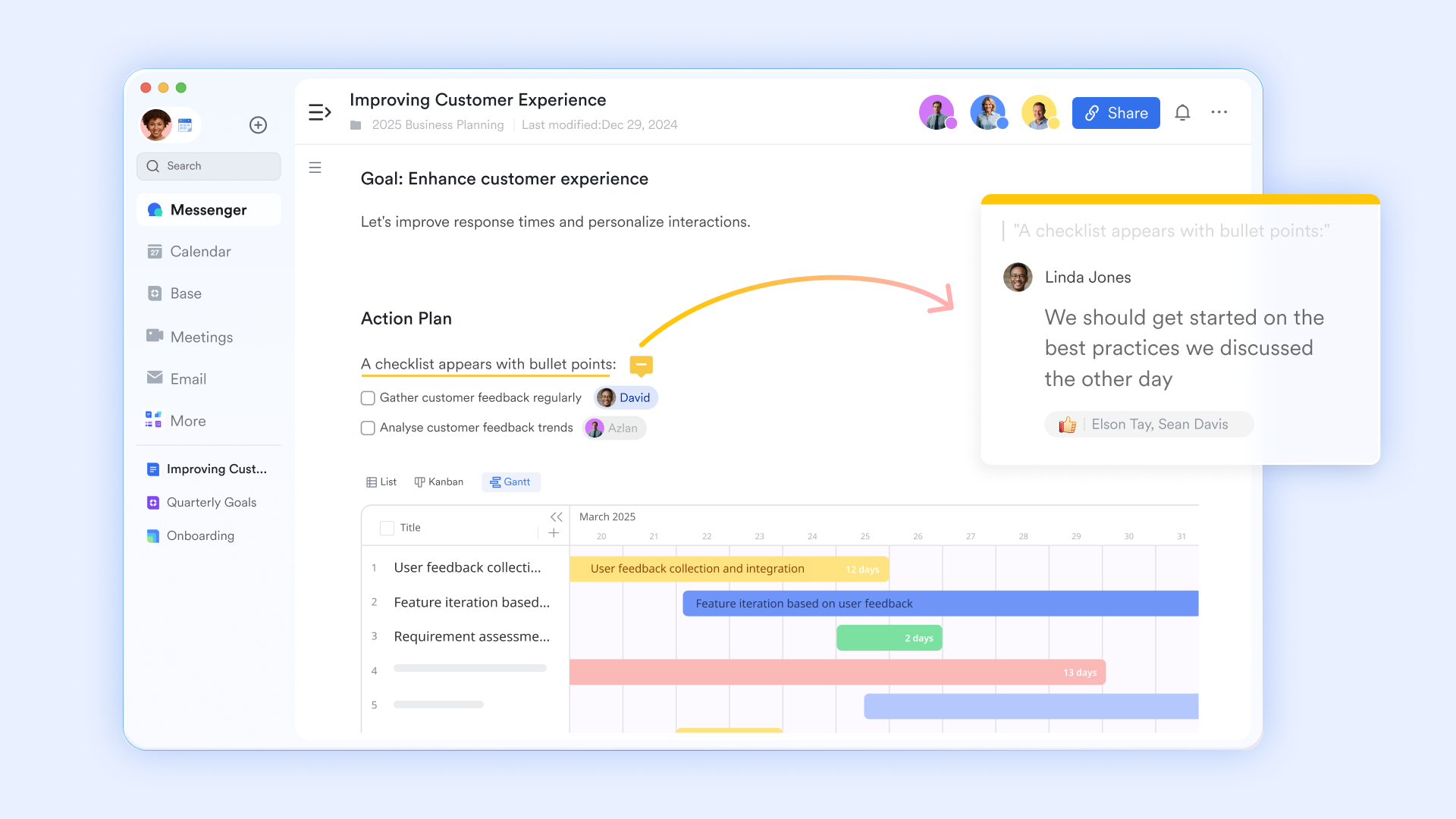
Your project scope statement is the constitution for your project, and it should be treated like one. Instead of being a static Word document that gets lost in email chains (Scope_v4_final_FINAL.docx), it needs to be a living document that serves as the project's single source of truth.
In , you can create a comprehensive scope statement that the entire team can . In addition to the @-mentions feature introduced above, you can also embed checklists for acceptance criteria and tables for listing exclusions. This document becomes the undeniable reference point for any questions about what is in or out of scope.
Transform your WBS from a static chart to a dynamic plan
A traditional Work Breakdown Structure (WBS) is often a static diagram that quickly becomes outdated. To be truly useful, your WBS needs to be a dynamic tool that connects directly to the work itself.
Using , you can build a powerful, interactive WBS. Create a database where each major deliverable is a primary record. Then, link to sub-tables for the smaller work packages and individual tasks associated with that deliverable. You can add custom fields for task owners, deadlines, status (e.g., To-Do, In Progress, Done), and priority. Better yet, this entire interactive Base table can be embedded directly into your main project scope statement in Lark Docs, ensuring the high-level scope and the granular work plan are always connected. 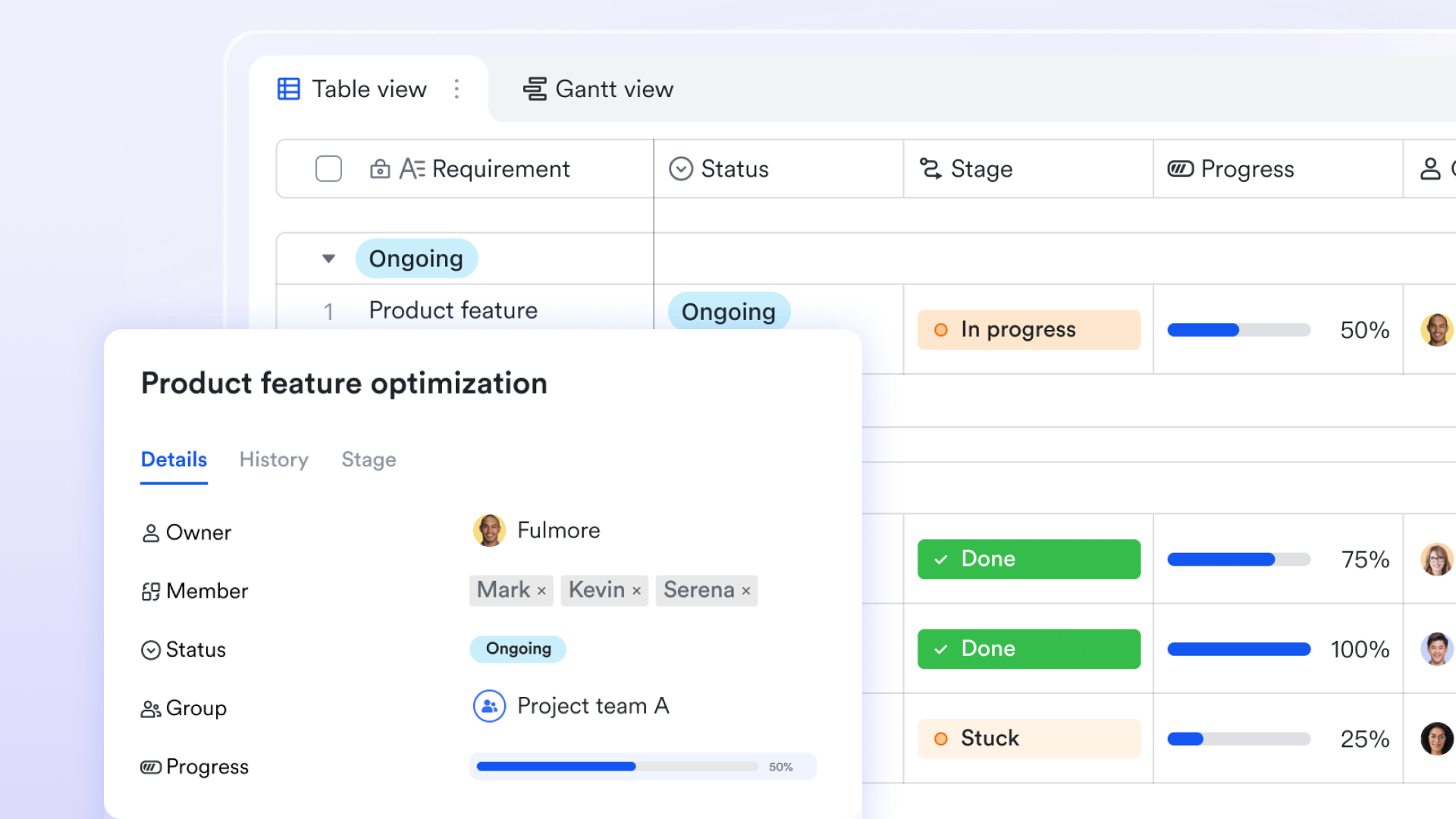
Use automation to ensure synchronization of scope change information
Uncontrolled project scope changes often stem from poor communication. Lark's automated workflows effectively address this issue.
When a scope change occurs (e.g., updating a requirement status in Base), you can set a workflow to automatically push a summary of the change as a card message to the project group. The message can @mention relevant members, ensuring precise delivery of information and preventing anyone from missing critical updates. 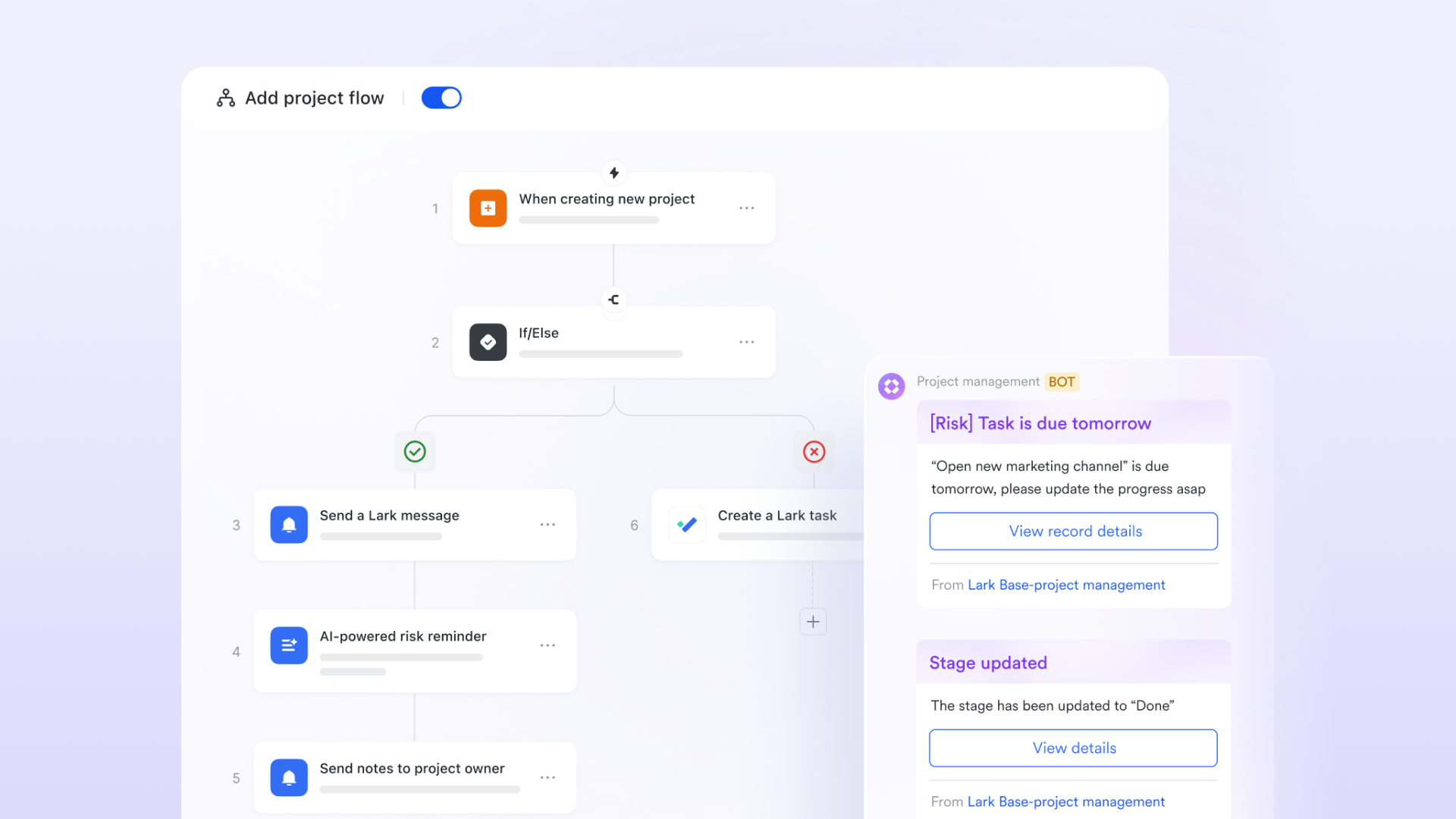
Build a centralized knowledge base to solidify scope baseline and decisions
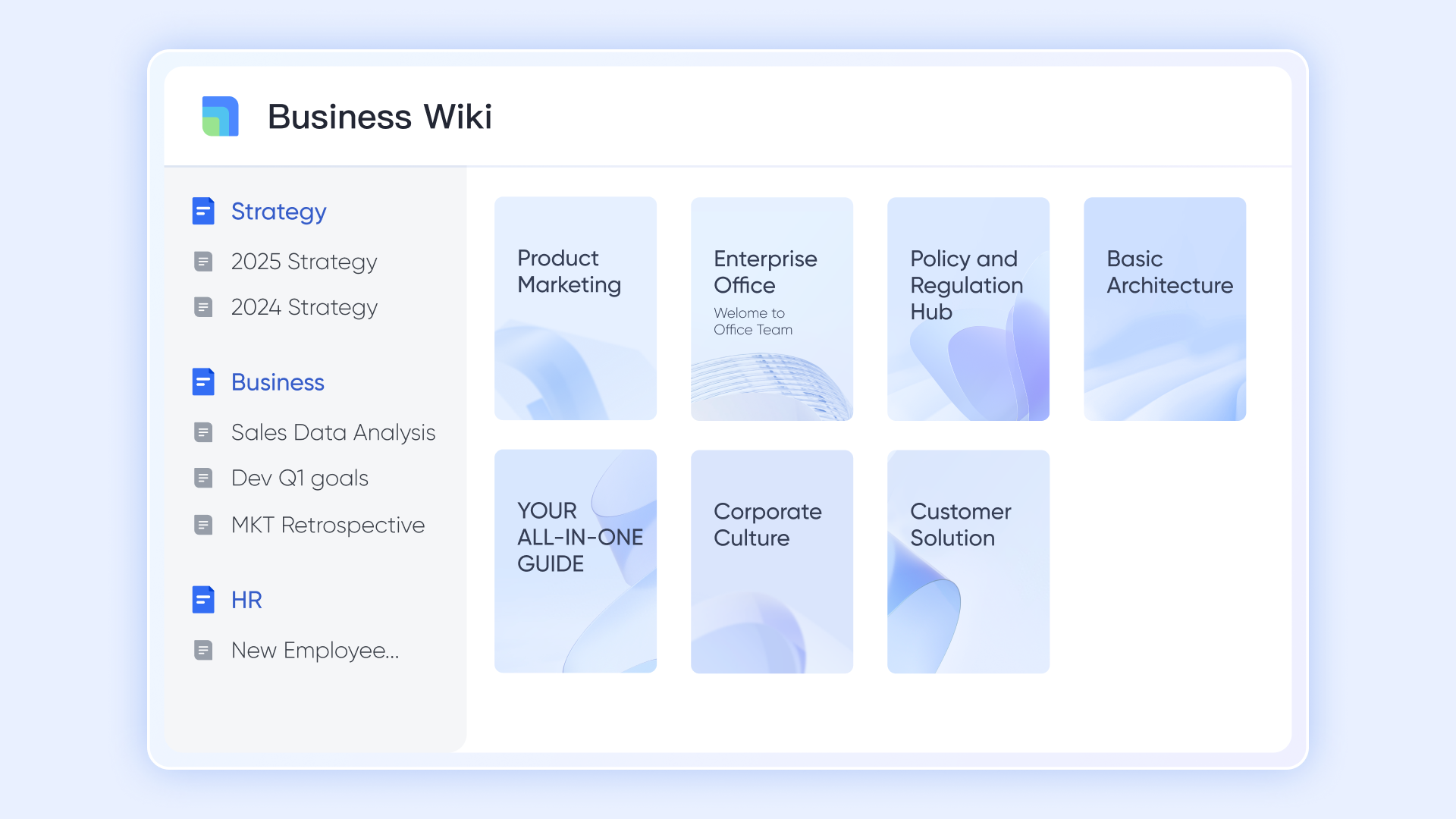
Scope creep is frequently caused by inconsistent understanding of requirements or forgotten past decisions. You can use to create a . By consolidating key documents such as the project charter, requirement specifications, and minutes from every scope change meeting here, it serves as the team's "single source of truth."
Wiki also supports permission management, ensuring the security of sensitive scope information. Furthermore, it maintains version history, making it easy for new members to understand the context and ensuring the continuity of project knowledge, which prevents deviations in scope understanding due to personnel changes.
Align goals and schedules to ensure scope serves strategy and timelines
Ensuring that project scope remains aligned with overall goals and schedules is key to preventing uncontrolled expansion.
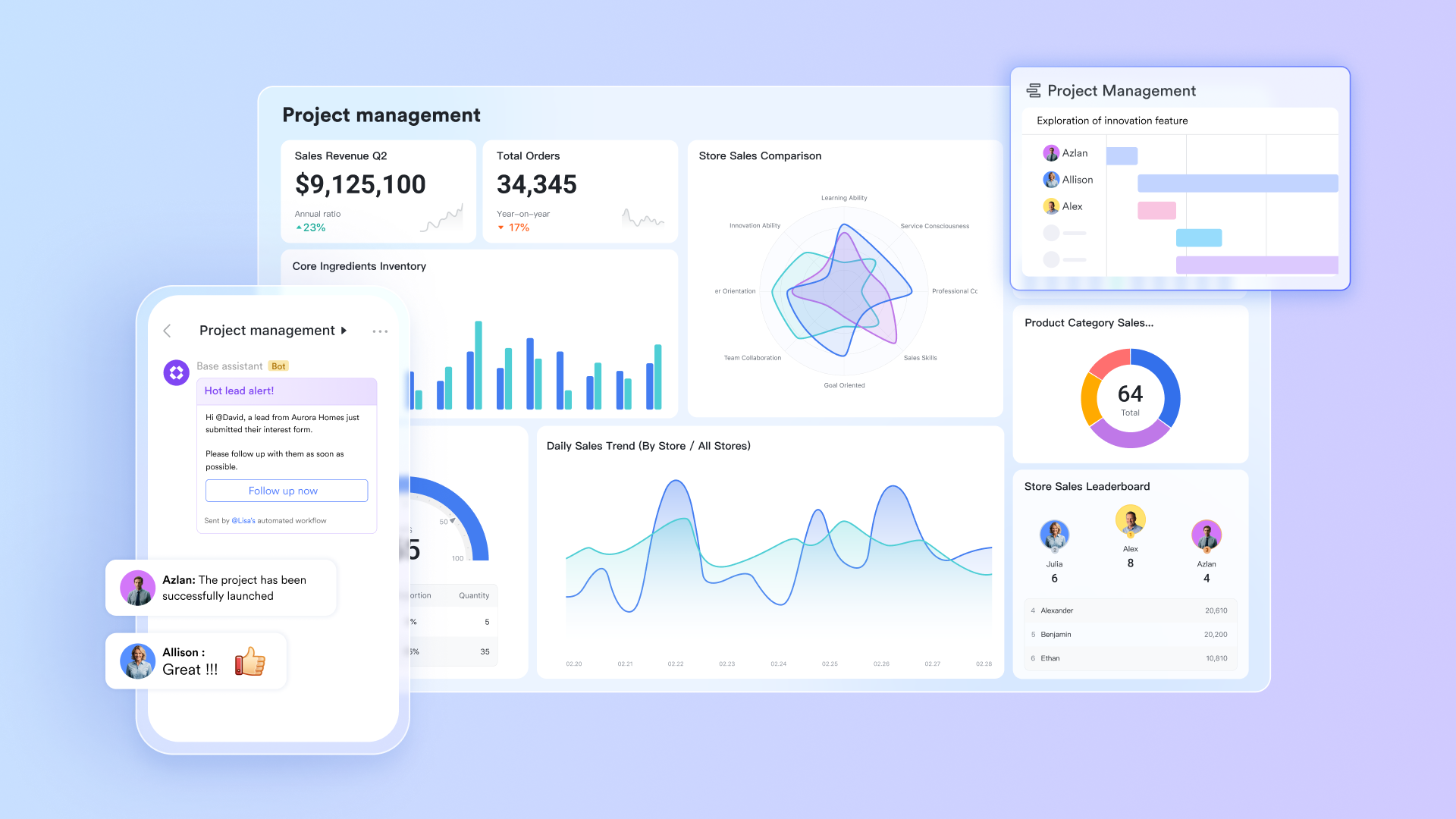
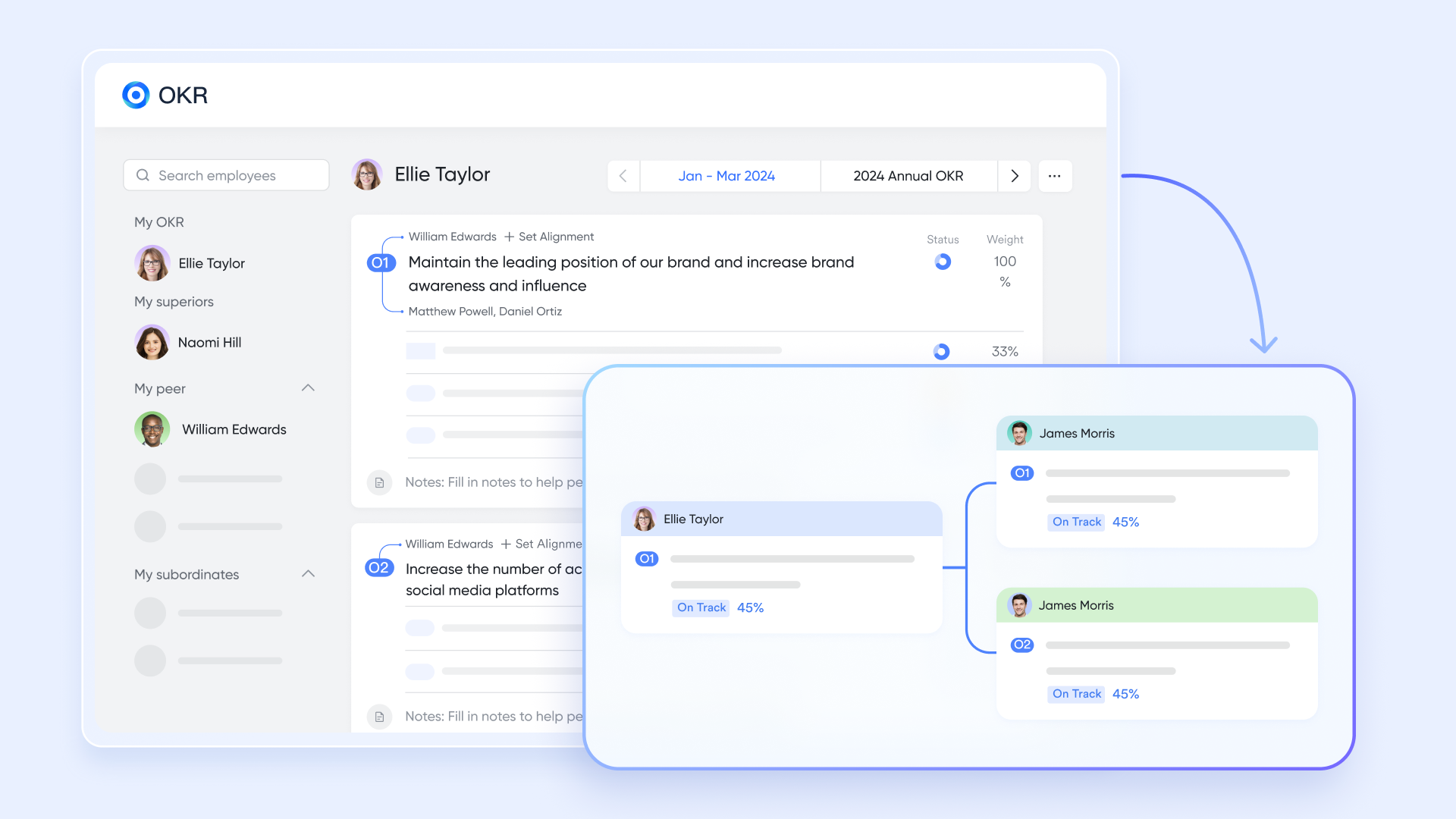
During project initiation, use the to directly link the project scope with the team's or company's quarterly objectives. This helps team members clearly understand the strategic value of each scope item, prompting them to proactively prioritize tasks that contribute most to the goals during execution. This naturally focuses efforts on the core scope and reduces irrelevant demands.
You can also manage and share , review meetings, release dates, and other schedule-bound elements of the scope with the team via . This visual representation of time commitments tightly binds the scope to the constraints of time resources, making any scope changes that could impact critical timelines subject to explicit discussion and evaluation.
Formalize acceptance and keep everyone accountable
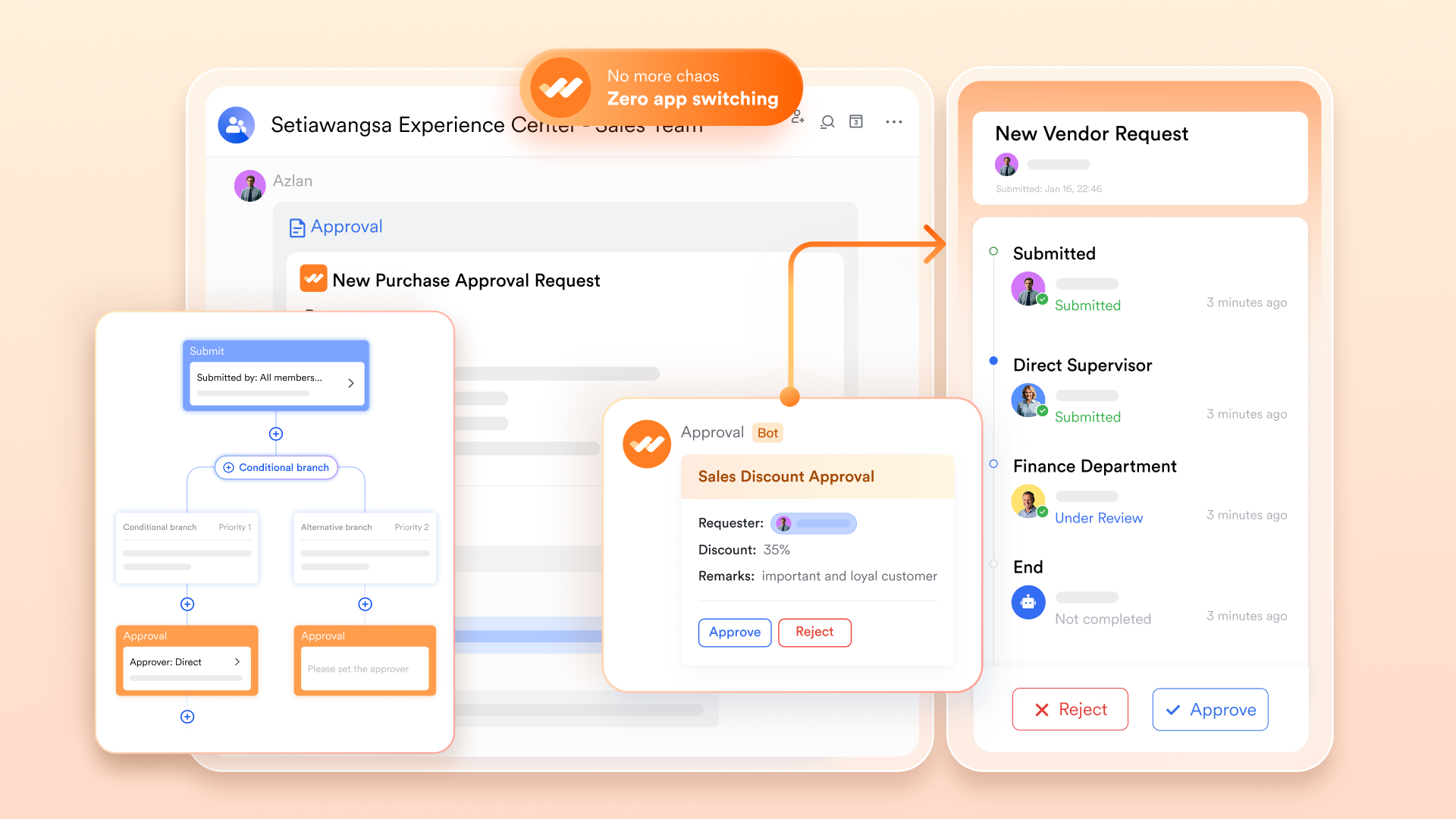
Tracking stakeholder sign-offs in scattered emails often leads to future disputes. The "validate scope" step only works if acceptance is formal, permanent, and tied directly to the work—something disjointed tools fail to achieve.
turns this manual tracking into an . When a key deliverable is finalized in Lark Docs, you can start an Approval workflow (no need to export PDFs and email for review), with the request permanently linked to the reviewed document version.
The full process—approvers, their comments, and exact sign-off time—is captured in an immutable log. This log is visible in the project record (not hidden in inboxes), fostering clear accountability and creating a permanent, searchable decision history to avoid future misunderstandings over agreed terms.
- Free plan: Includes 11 powerful products, supporting up to 20 users, 100 GB storage, 1,000 automation runs and unlimited AI translation in chats, docs and email.
- Basic plan: $6/user/month (billed annually) for up to 500 users. Includes everything in Starter plus unlimited message history, 5TB storage, 1,000 automation runs, and more. Some users may need to to purchase.
- Pro plans: $12/user/month, supporting up to 500 users. Includes unlimited message history, 50,000 automated Base workflow executions per month.
- Enterprise plan: for custom pricing. Supports unlimited users and includes even more automation runs and advanced security, compliance, and management features.
For small teams with simple communication needs

18 months message history
1000 Base automation runs/month
2000 rows per table in Base
Most POPULAR
For companies with comprehensive collaboration and management needs
Unlimited message history
500-participant video meetings
50k Base automation runs/month
20k rows per table in Base
For large companies with advanced security and organizational management needs
Get a personalized demo and pricing
Unlimited message history
500-participant video meetings
15 TB storage + 30 GB storage/user
500k Base automation runs/month
50k Base automation runs/month
Most POPULAR
For companies with comprehensive collaboration and management needs
Unlimited message history
500-participant video meetings
50k Base automation runs/month
20k rows per table in Base
The project manager's nightmare: what is scope creep?
What is in project management? It is the slow, uncontrolled expansion of a project's requirements after work has begun. It's called "creep" because it rarely happens in one big jump. Instead, it's a series of small, seemingly harmless additions that, over time, can push a project over budget and past its deadline.
The key word in the official scope creep definition project management is uncontrolled. Change itself isn't bad, but undocumented and unmanaged change is a direct path to project failure.
Common causes of scope creep
Scope creep in project management rarely has a single cause. It often stems from a combination of process gaps and the simple human pressure to say "yes." Common culprits include:
- A vague scope statement: If the initial boundaries aren't clear, they are easy to push.
- Minimal stakeholder involvement: When key stakeholders aren't involved early, they often introduce new requirements later.
- Informal communication: Decisions made in casual chats or side emails often go undocumented.
- "Gold plating": When team members add extra features that weren't requested, believing they are improving the product.
How to prevent scope creep before it starts
Prevention isn't about building a wall around a project; it's about creating a smart process to . This means channeling the energy of change through a system that protects the project's primary goals.
Create a rock-solid change control process
This is the most critical tactical defense against scope creep project management. When a new request comes in, it shouldn't be met with an immediate decision, but with "Let's run it through the process." A simple process includes:
- Formal request: The change is submitted through a standard form detailing its purpose.
- Impact analysis: The project manager analyzes the request's effect on the project's scope, schedule, and budget.
- Review and decision: The request and analysis are reviewed by a designated party who approves or denies it.
- Communicate and update: The decision is communicated to all, and if approved, all project documents are updated.
Improve communication and centralization
Proactive communication keeps stakeholders informed and reduces anxiety-driven requests. It's also vital to centralize these conversations. When requests can come from a text, an email, or a hallway chat, they are impossible to track.
A unified workspace like solves this. If an idea comes up in Lark Messenger, it can be instantly forwarded to a task or pinned to the . This moves the idea from an informal chat into a formal space where it can be properly tracked and evaluated.
Master the art of managing expectations
Finally, prevention involves skilled communication. It's about responding to requests in a way that protects the project while keeping relationships positive. Instead of a blunt "no," consider these options:
- Clarify the trade-off: "Yes, we can add that, and to do so, we will need to adjust the timeline by two weeks. Let me write up the change request."
- Use a "parking lot": "That's a great idea for phase two. Let's add it to our backlog so we don't lose it."
- Reference the data: "Based on our current plan, that request would put our main deadline at risk. Can we review the priorities together?"
Stop scope creep with smart strategies
Pro-level project scope management tips
Mastering the fundamentals is key, but a few advanced strategies can elevate your scope management from a defensive chore to a strategic advantage.
Acknowledge the methodology: Agile vs. Waterfall
Your approach must adapt to your project's methodology.
- , scope is fixed upfront. The goal is delivering that exact scope, and change is tightly controlled through a formal process.
- , scope is intentionally flexible and lives in the product backlog. Change is managed by continuously re-prioritizing work to deliver the most value.
The pro insight is that even Agile requires scope management—the practice just shifts from "guarding a baseline" to continuously "grooming the backlog."
Lead effectively in remote and hybrid teams
For remote teams, informal requests become scattered digital messages, making alignment and tracking even harder. is no longer a luxury—it's a necessity. Creating a single source of truth for all scope documents, change requests, and conversations ensures everyone is working from the same information, regardless of location.
Use data to tell a story
Shift scope conversations from subjective opinion to objective fact. When a new request comes in, use the data from your impact analysis to present a clear choice. Instead of saying, "We don't have time," try presenting the trade-off: "Adding that feature will delay our launch by one week, or we can swap it with Feature X. Which trade-off is better for the business right now?" This approach reframes the project manager as a strategic partner who helps stakeholders make informed decisions.
Conclusion
Ultimately, effective project scope management is not about creating rigid rules or saying "no." It is about strategic leadership, proactive communication, and establishing a clear framework that allows for intentional decision-making. It's the discipline that moves a project team from a state of constant reaction to one of confident control. By defining clear boundaries and managing change intelligently, you protect your project, your budget, and your team's well-being.
Ready to stop scope creep before it starts? Bring your scope documents, task management, and team communication into one place with . Start building a single source of truth today and take confident control of your projects.
Take control of your projects effectively
FAQs
What is project scope in management?
Project scope is the detailed outline of all the work required to deliver a specific product or result. It defines the project's boundaries by clarifying objectives, deliverables, and, just as importantly, what is excluded. This definition should be documented in a central, accessible place, like a Lark Doc, to serve as the team's single source of truth.
What are the 5 steps of defining project scope?
The five core steps are: 1) Plan Scope Management, 2) Collect Requirements, 3) Define Scope, 4) Create a Work Breakdown Structure (WBS), and 5) Validate Scope. A unified platform like Lark is ideal for managing this entire process, from collaborative requirement gathering in Lark Docs to formal sign-offs using Lark Approvals.
What are the 4 components of a scope management plan?
A scope management plan is the rulebook for your project. Its four key components are the processes for: 1) preparing the scope statement, 2) creating and managing the WBS, 3) formalizing scope acceptance, and 4) controlling change requests. This plan can be created in a Lark Doc and finalized with stakeholders using Lark Approvals to ensure everyone agrees on the rules.
What are the two types of project scope?
The two types are Product Scope and Project Scope. Product Scope defines the features and functions of the final product or service itself. Project Scope defines all the work the project team must do to deliver that product. In short, Product Scope is the "what" and Project Scope is the "how."
Related reading