














CRM Industries: Ultimate Guide for Business Applications

Cecilia Lane
Go-to-Market Associate
Sep 18, 2026
Cecilia Lane
Sep 18, 2026

20 min read


When businesses explore CRM industries, they quickly discover that customer relationship management is no longer a one-size-fits-all solution. The landscape of CRM industries has evolved into a sophisticated ecosystem where different sectors require tailored approaches to customer management, relationship building, and operational efficiency. What works for a healthcare provider may not suit a manufacturing company, and retail businesses have completely different needs than financial services organizations. This diversity within CRM industries represents both a challenge and an opportunity for modern businesses seeking to implement systems that genuinely address their specific operational requirements. In this guide for CRM in different industries, I'll walk you through what industries have got benefits from industry-specific CRM, but also introduce reliable industry-appropriate CRM solutions. Platforms like Lark have recognized this complexity, offering flexible solutions that adapt to various industry needs while maintaining the core functionality that makes CRM systems valuable across all sectors.
Key takeaway: Top 8 industry-specific CRM software
- Lark: Collaboration-centric CRM for modern teams
- HubSpot CRM: Scalable solutions across sectors
- Saral CRM: For service industries and dietitians CRM
- Salesforce CRM: Enterprise-level customization
- Zoho CRM: Affordable flexibility for SMEs
- Freshsales: Simplified CRM for digital-first businesses
- Microsoft Dynamics 365: CRM for data-driven enterprises
- Monday Sales CRM: Workflow-oriented CRM for creative and service teams

What makes CRM essential across diverse industries?
The universal adoption of CRM systems across virtually every industry sector demonstrates their fundamental importance in today's customer-centric business environment. What makes these systems indispensable isn't just their ability to track customer buying, but their capacity to transform how organizations understand, serve, and grow their customer relationships. The transition from traditional spreadsheet-based tracking to comprehensive CRM platforms represents one of the most significant operational improvements businesses can make, regardless of their industry specialization.
Several core factors drive CRM adoption across diverse sectors. First, the centralized customer database eliminates information silos that traditionally plague organizations where different departments maintain separate customer records. Second, automation capabilities reduce manual administrative tasks, allowing teams to focus on higher-value activities that directly impact customer satisfaction and revenue generation. Third, analytics and reporting features provide actionable insights that would be impossible to gather manually from disparate data sources.
When considering specialized CRM tools for specific industries, businesses must evaluate both their unique requirements and the platform's flexibility. For example, the decision to buy CRM for service industries involves different considerations than selecting solutions for product-based businesses, though both benefit from streamlined customer management. This distinction becomes particularly important when comparing needs like CRM for media companies vs other industries that might prioritize different metrics and workflows.
Industries experiencing benefits from CRM implementation
Real estate and property management
The real estate industry benefits tremendously from real estate CRM systems designed to manage long sales cycles, multiple stakeholders, and complex transaction details. These platforms help agents track client preferences, property specifications, and communication history across various channels. The ability to automate follow-up sequences ensures that potential buyers receive timely information while maintaining personalization that's crucial in high-value transactions.
Healthcare and medical services
Healthcare providers implement CRM solutions to enhance patient care coordination, appointment management, and treatment follow-up processes. These systems help medical practices maintain comprehensive patient histories while ensuring compliance with industry regulations. The coordination between administrative staff and medical professionals becomes significantly more efficient with proper CRM implementation. Specialized tools like Saral CRM for service industries and dietitian’s further streamline wellness and nutrition-focused practices, supporting personalized care management and stronger patient engagement.
Retail and e-commerce
Retail businesses leverage CRM platforms to create personalized shopping experiences, manage loyalty programs, and analyze customer purchasing patterns. The integration between e-commerce platforms and CRM systems enables retailers to deliver targeted marketing campaigns and inventory recommendations based on actual customer behavior rather than assumptions.
Manufacturing and supply chain
Manufacturing organizations use manufacturing CRM solutions to manage complex B2B relationships, track order histories, and coordinate between sales teams and production departments. The visibility into customer demand patterns helps manufacturers optimize production schedules and inventory management while maintaining strong client relationships through transparent communication.
Financial services and banking
Financial institutions rely on CRM systems to manage client portfolios, track regulatory compliance requirements, and maintain detailed records of all customer interactions. The security features and audit trail capabilities make modern CRM platforms particularly valuable in an industry where data protection and compliance are paramount concerns.
Technology and SaaS businesses
Technology companies, particularly SaaS providers, utilize CRM platforms to manage subscription lifecycles, customer onboarding processes, and technical support interactions. The integration capabilities with other business systems make CRM essential for companies that need to maintain a comprehensive view of customer health across multiple touchpoints and product usage metrics.
Top CRM solutions that power different industries
1. Lark: Collaboration-centric CRM for modern teams
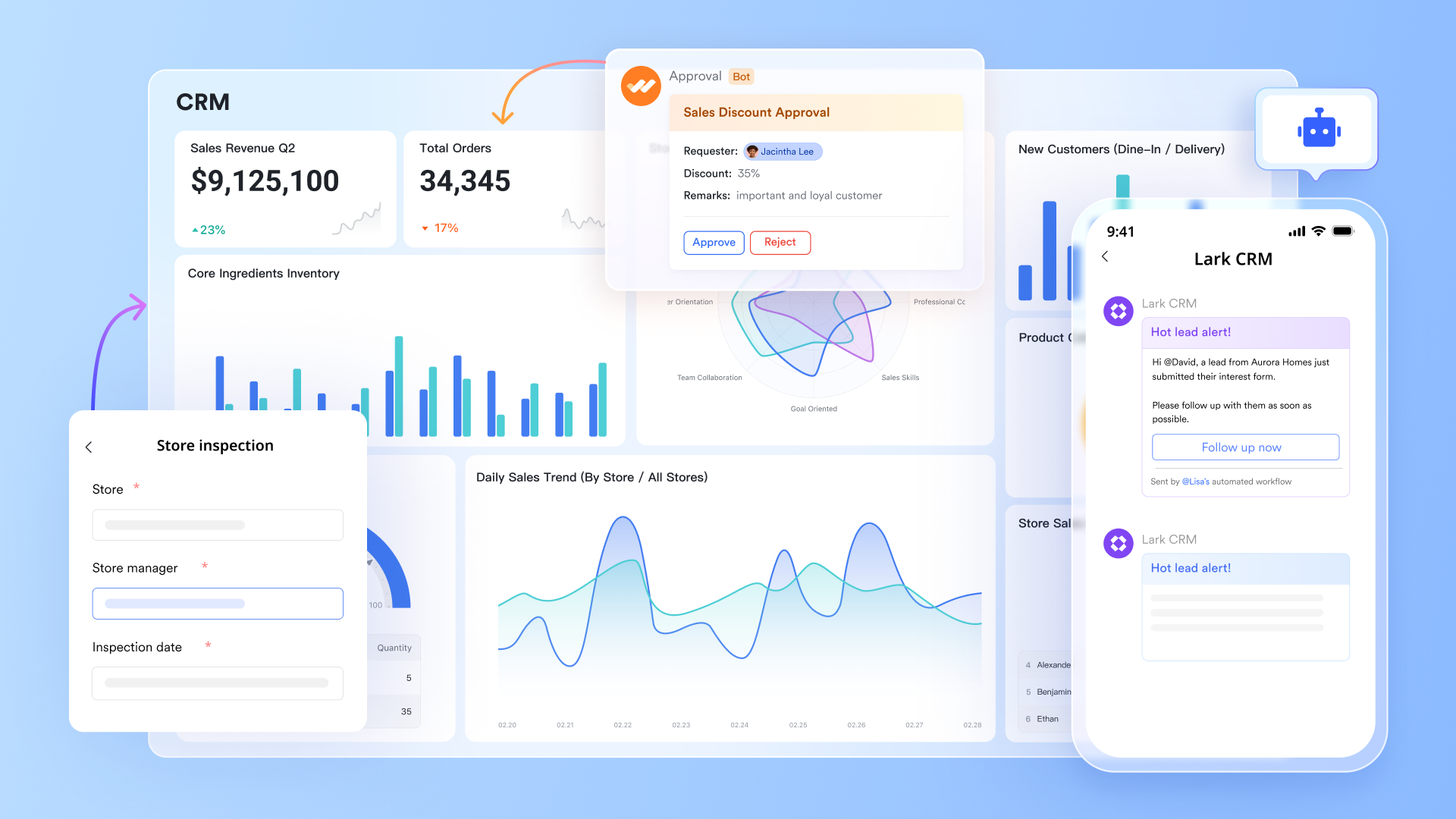
Industries served: Technology, agencies, consulting, marketing, retail, food & beverage, manufacturing, and many more.
Lark combines communication, project management, and CRM functions in one workspace, enabling teams to manage sales pipelines while collaborating in real time on documents, chat, and video calls. For creative industries and digital agencies, this integration reduces fragmentation between client communications and project tracking — driving stronger accountability and faster delivery cycles.
key features and cross‑industry advantages:
- Unified communication and collaboration: Lark combines chat, meetings, calendars, and collaborative Docs in one workspace, keeping all client or project discussions connected. This integrated design makes it more suitable for cross‑functional teams than tools like Slack or Zoom, which require external add‑ons to achieve similar coordination.
- Customizable low‑code database: Lark Base lets users create flexible data views for clients, projects, or workflows, functioning like a customizable CRM. Service businesses can track appointments, schools can manage enrollments, and agencies can monitor project milestones without complex setup or coding.
- Built‑in workflow automation: Teams can design no‑code automated approvals, notifications, and reports that adapt to their industry’s daily operations. Compared with CRMs such as Salesforce or Zoho, Lark’s automation tools are easier for non‑technical users to configure and maintain.
- Scalable and globally compliant: Lark supports multilingual workspaces, time‑zone coordination, and enterprise‑grade security certifications (GDPR, ISO 27001). This global readiness gives it an advantage in industries that require both collaboration and regulatory compliance, such as healthcare, finance, and education.
Pricing:
- Starter plan: Free forever plan that includes 11 powerful tools for up to 20 users. It also comes with 100GB of storage, 1000 automation runs, AI translations, and more.
- Basic plan: $6/user/month (billed annually) for up to 500 users, including everything in Starter plus 1-on-1 video meetings, 5TB of storage, 1,000 automation runs, and more. To know more about Basic plan, contact our sales.
- Pro plan: $12/user/month (billed annually) for up to 500 users. It includes everything in Starter plus a group calling for up to 500 attendees, 15TB of storage, 50,000 automation runs, and more.
- Enterprise plan: Contact sales for custom pricing. Supports unlimited users and includes even more automation runs and advanced security, compliance, and management features. Reviewing Google Workspace pricing and ClickUp pricing can provide useful context when comparing CRM software solutions.
2. HubSpot CRM industries-scalable solutions across sectors
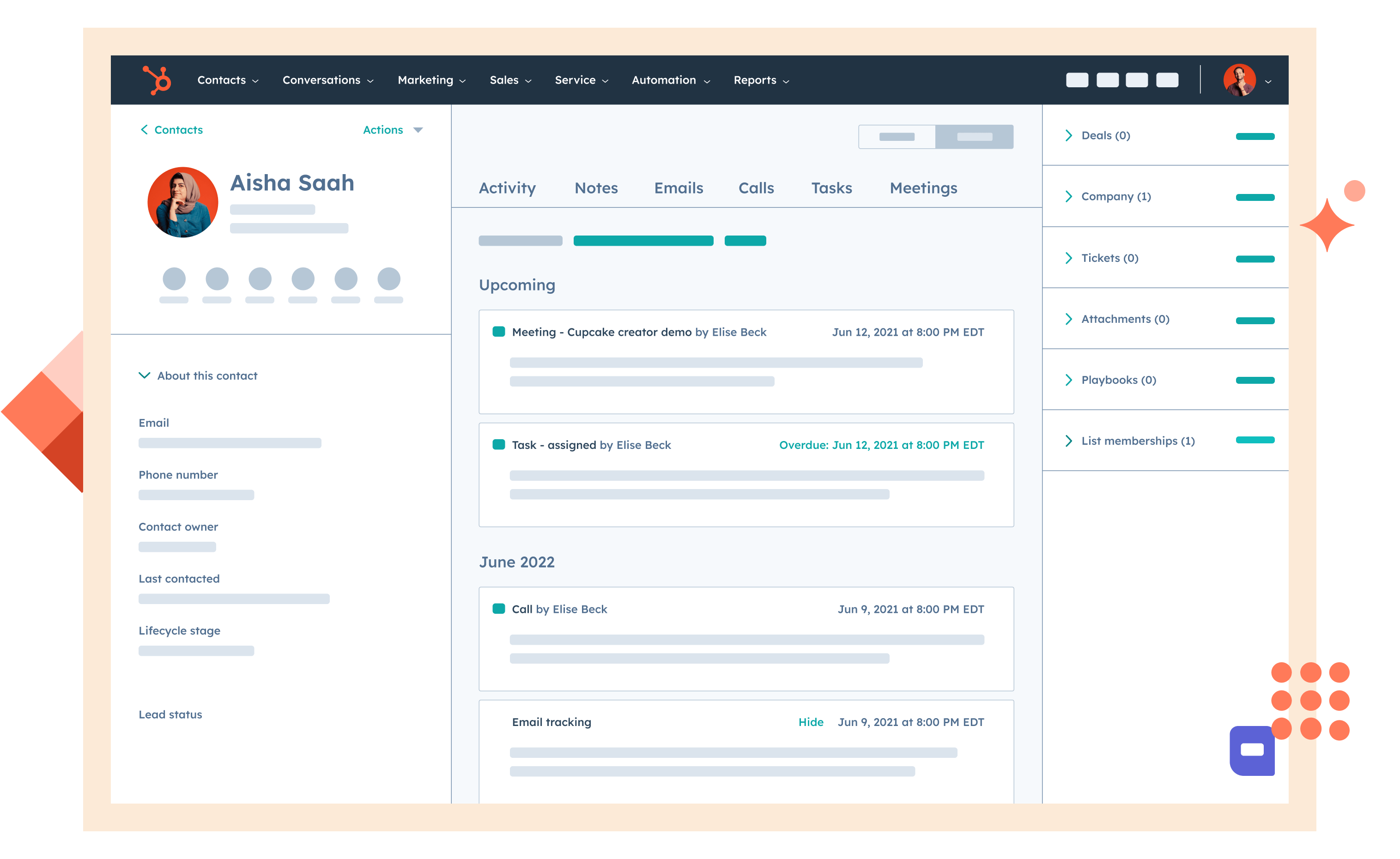
Image source: hubspot.com
Industries served: Marketing agencies, SaaS, manufacturing, education, and healthcare.
HubSpot CRM offerings demonstrate how a versatile platform can scale its templates and features based on business type. Marketing teams benefit from campaign automation and analytics dashboards, while education and healthcare organizations leverage HubSpot’s data workflows for lead nurturing and compliance management. Its modular structure lets each industry adapt CRM features to fit departmental goals and data standards.
HubSpot CRM key features
- Marketing and sales automation: Integrates lead generation, customer service, and campaign tracking in one platform, suitable for industries from SaaS to education.
- Scalable modular design: Businesses can start free and expand with tailored tools as their sales and marketing needs grow.
Pricing:
- Smart CRM Professional: $45/mo. including 1 core seat; additional core seats start at $45/mo
- Smart CRM Enterprise: $75/mo. including 1 core seat; additional core seats start at $75/mo
3. Saral CRM: For service industries and dietitians CRM
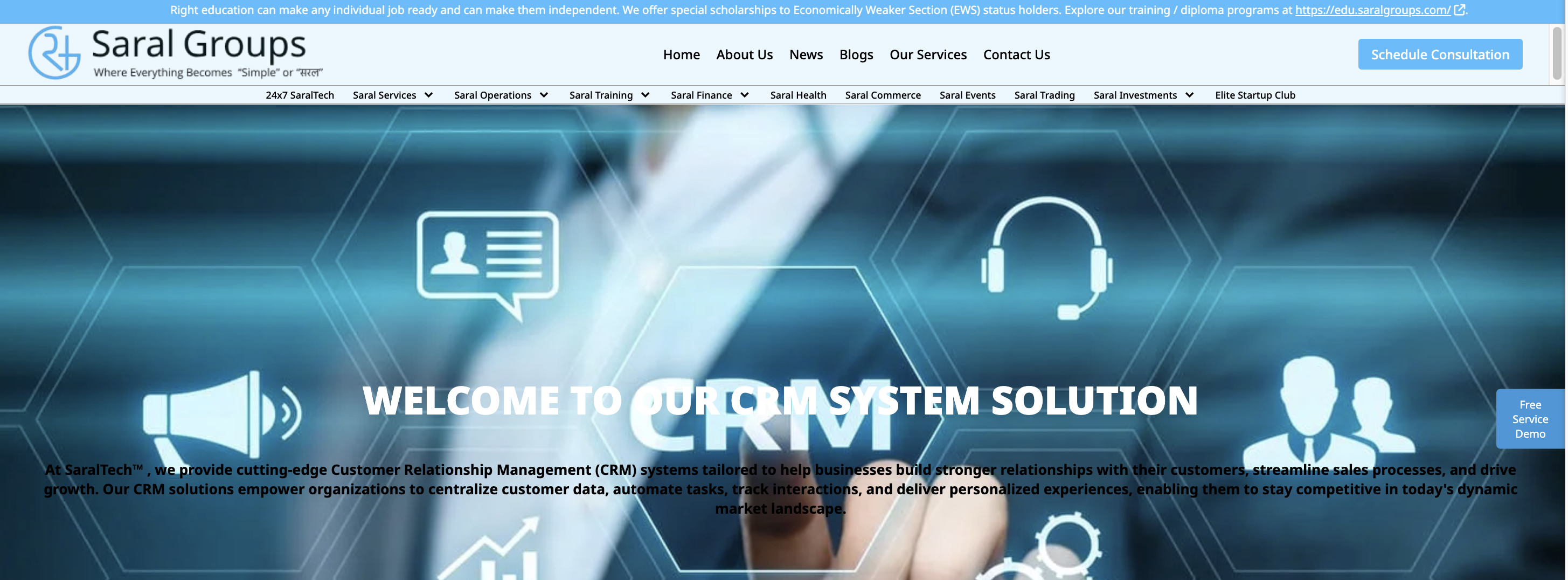
Image source: saralgroups.com
Industries served: Wellness, nutrition, salons, consulting services, healthcare coaching.
Saral CRM for service industries and dietitians caters to professionals whose business depends on long-term client relationships and personalized service delivery. The software’s strengths lie in appointment management, diet or progress tracking, and automated reminders — helping dietitians, fitness coaches, and salon owners maintain efficient workflows while delivering a tailored client experience.
Saral CRM key features
- Appointment and client management: Simplifies scheduling, progress tracking, and communication for service‑based businesses.
- Automated reminders and follow‑ups: Helps coaches, clinics, and consultants maintain consistent client engagement with minimal manual work.
Pricing: Need to contact for demo & pricing.
4. Salesforce CRM: Enterprise-level customization
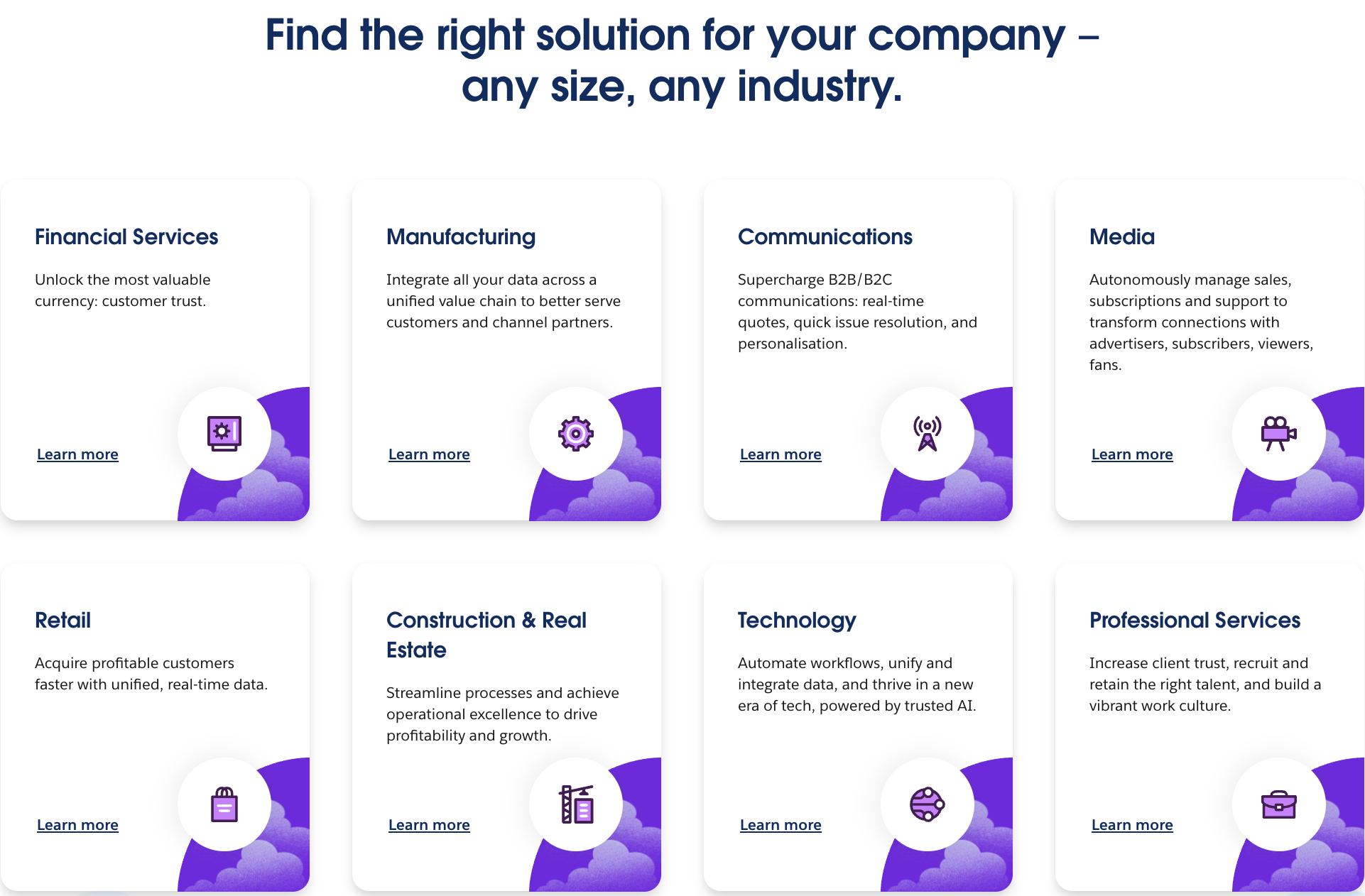
Image source: saralgroups.com
Industries served: Finance, manufacturing, real estate, healthcare, public sector.
Salesforce is renowned for its hyper-customizable framework that supports large-scale business processes. Banks and financial institutions use it for secure client data management, manufacturers track complex B2B sales cycles, and hospitals integrate its analytics tools for better patient outreach and engagement metrics.
Salesforce CRM key features
- Customizable architecture: Industry‑specific modules for finance, healthcare, and retail.
- Analytics and AI forecasting: Provides in‑depth insights for enterprise‑level decision‑making.
Pricing:
- Starter Suite: $25/user/mo
- Pro Suite: $100/user/mo
- Salesforce Foundations ($0) lets users add Salesforce's key features to users' existing CRM. However, it's only available if users have an Enterprise Edition or above.
5. Zoho CRM: Affordable flexibility for SMEs
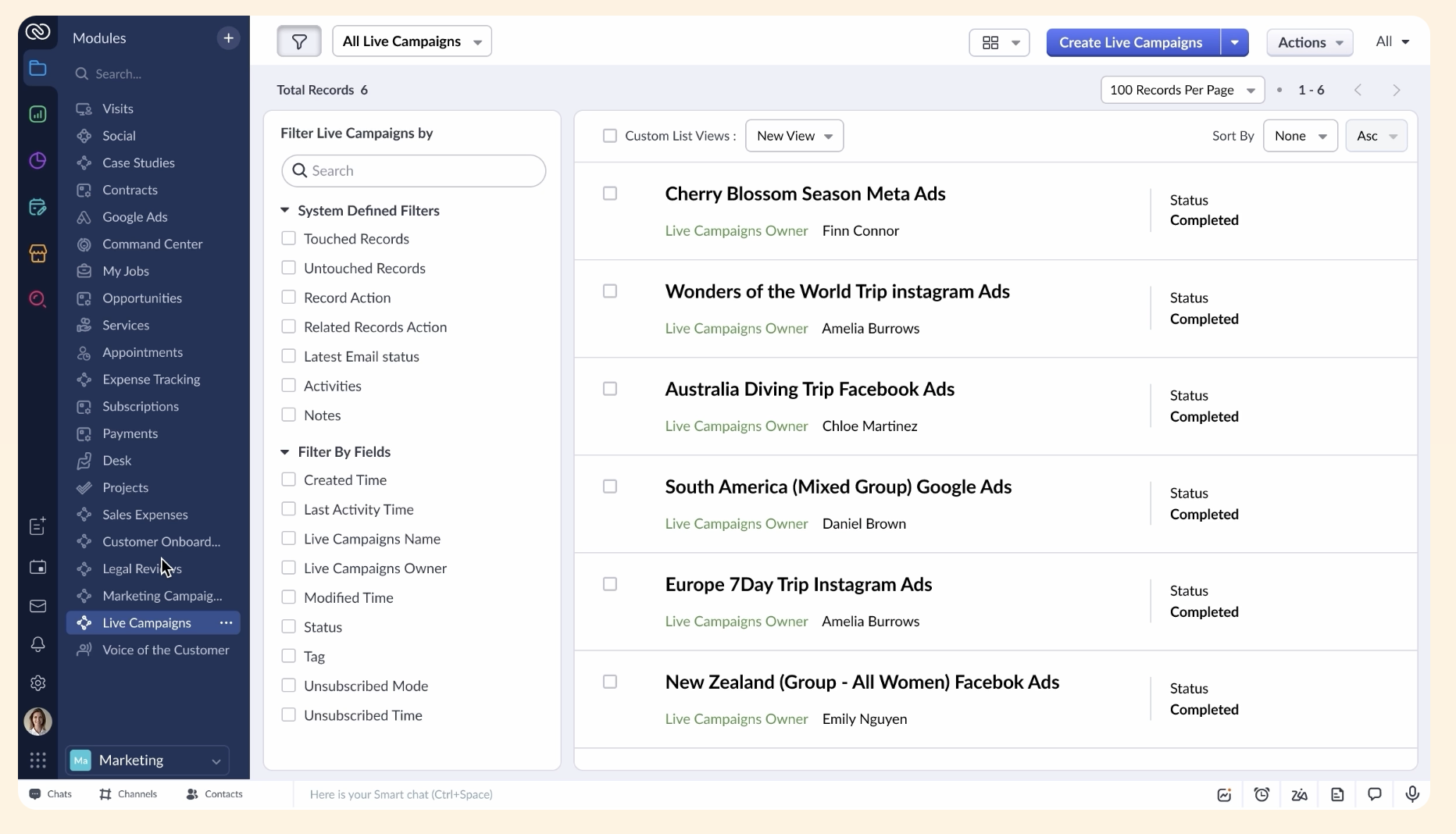
Image source: zoho.com
Industries served: Education, retail, logistics, professional services.
Zoho CRM empowers small and medium-sized enterprises to handle lead tracking, sales forecasting, and workflow automation with ease. Retailers use it for customer segmentation, while educational institutions apply it to admissions and alumni management — all within a budget-friendly, cloud-based framework.
Zoho CRM key features
- Affordable CRM: Covers lead capture, pipeline management, and automation for SMEs.
- AI assistant (Zia): Offers predictive sales insights and workflow recommendations.
Pricing:
- Free: Up to 3 users
- Standard: $14/user/mo
- Professional: $23/user/mo
- Enterprise: $40/user/mo
- Ultimate: $52/user/mo
6. Freshsales: Simplified CRM for digital-first businesses
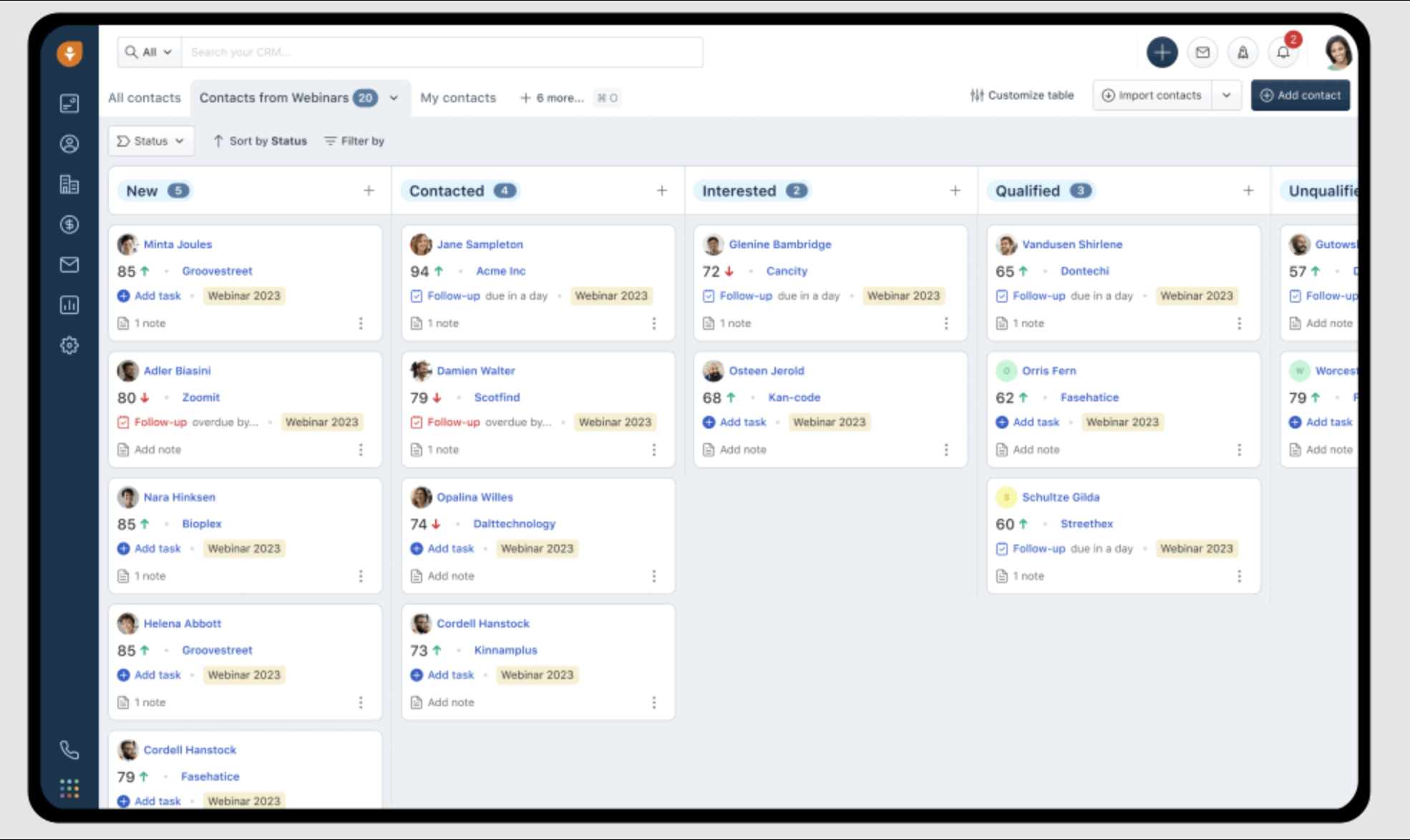
Image source: freshworks.com
Industries served: eCommerce, tech startups, B2B service providers.
Freshsales (by Freshworks) focuses on simplicity and automation, integrating email campaigns, lead scoring, and deal tracking. Its eCommerce users automate order follow-ups and re-engagement campaigns, while technology-first firms use it to centralize customer support and onboarding activity.
Freshsales key features
- AI‑driven lead scoring and automation: Streamlines sales follow‑ups for digital‑first businesses.
- Omnichannel engagement: Unifies email, chat, and phone communication within the CRM.
Pricing:
- Free: Up to 3 users
- Growth: $9/agent/mo
- Pro: $39/agent/mo
- Enterprise: $59/agent/mo
7. Microsoft Dynamics 365: CRM for data-driven enterprises
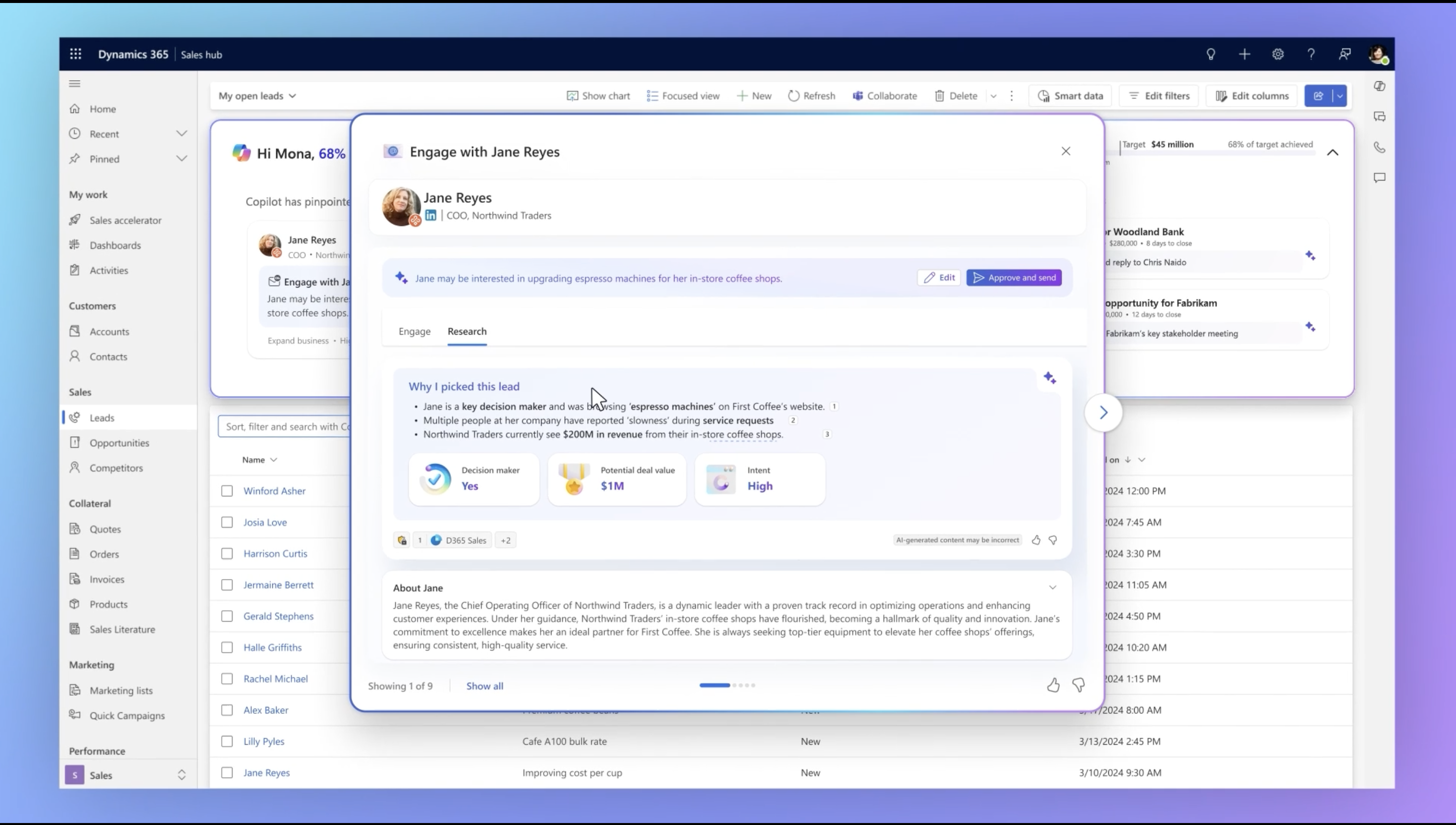
Image source: microsoft.com
Industries served: Manufacturing, retail, government, healthcare, and education.
Microsoft Dynamics 365 excels in industries where complex reporting and compliance are essential. Educational institutions adopt it for enrollment analytics, while healthcare organizations integrate it with ERP systems for seamless financial and operational visibility.
Microsoft Dynamics 365 key features
- Integrated CRM and ERP ecosystem: Links sales, finance, and operations for enterprise workflows.
- Data analytics via Power BI: Enables real‑time performance tracking and reporting.
Pricing (For Business with Teams plan):
- Free: No free plan; free trial for one month
- Basic: $6/user/month
- Standard: $12.5/user/month
- Premium: $22/user/month
8. Monday Sales CRM: Workflow-oriented CRM for creative and service teams
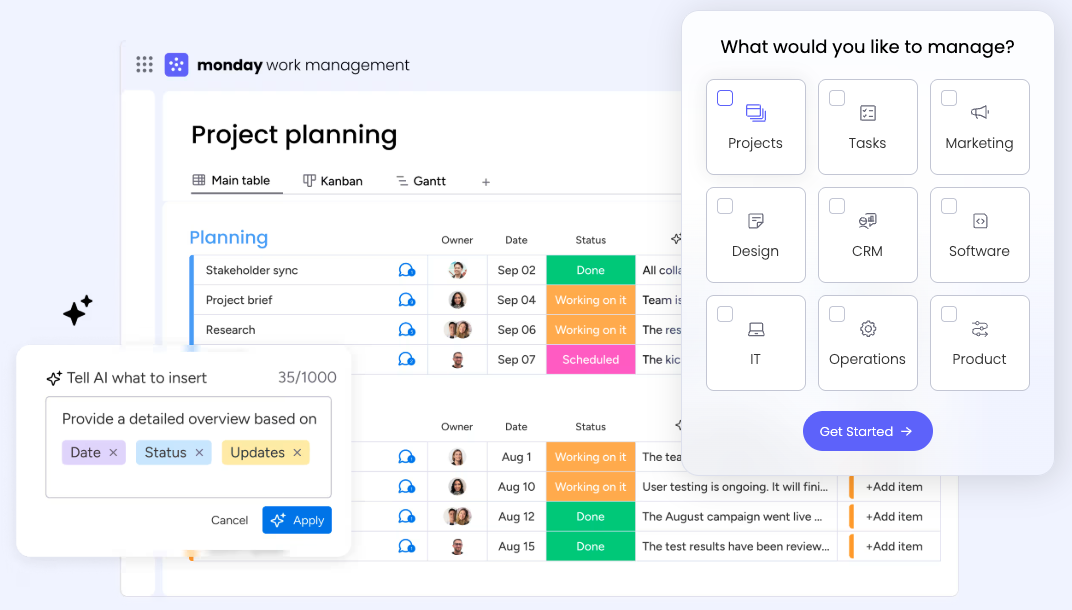
Image source: monday.com
Industries served: Creative agencies, construction, event management, marketing.
Monday Sales CRM emphasizes workflow automation and visualization. Agencies manage leads alongside ongoing projects on Kanban-style boards, while event planners track vendor and client communication through an integrated CRM workspace.
Monday Sales CRM key features
- Visual workflow management: Uses boards and timelines to track deals and projects intuitively.
- Custom automation rules: Simplifies repetitive processes across creative and service industries.
Pricing:
- Free: Up to 2 users and 3 boards
- Basic: $9/seat/month
- Standard: $12/seat/month
- Pro: $19/seat/month
- Enterprise: Custom pricing
The strategic value of industry-specific CRM systems
Across these platforms, certain patterns emerge:
- Specialized data fields allow each sector to capture information that reflects operational priorities — from patient records and property listings to service bookings or marketing analytics.
- Workflow automation helps organizations cut manual processes, sending reminders for appointments, leads, or compliance checks.
- Integration ecosystems transform CRMs into unified business hubs by connecting them to accounting, scheduling, and marketing tools already standard within each industry.
- Scalability ensures that small teams and global enterprises alike can expand their systems as operations grow.
Industry-tailored CRMs like Lark, HubSpot CRM, and Saral CRM for certain industries illustrate how modern businesses benefit most when technology isn’t generic — but instead designed to fit exactly how they work.
How modern platforms solve industry-specific challenges
The diversity of business needs across different sectors has pushed CRM platforms to evolve beyond generic solutions into sophisticated systems that address industry-specific challenges. Modern businesses require more than just contact management—they need integrated ecosystems that understand their unique operational requirements, compliance demands, and customer interaction patterns.
Addressing complex data management needs across industries
Industry needs: Different sectors handle vastly different types of data—from patient records in healthcare to property details in real estate, campaign metrics in marketing, and inventory levels in retail. Traditional CRMs often force businesses into rigid data structures that don't capture industry-specific information effectively.
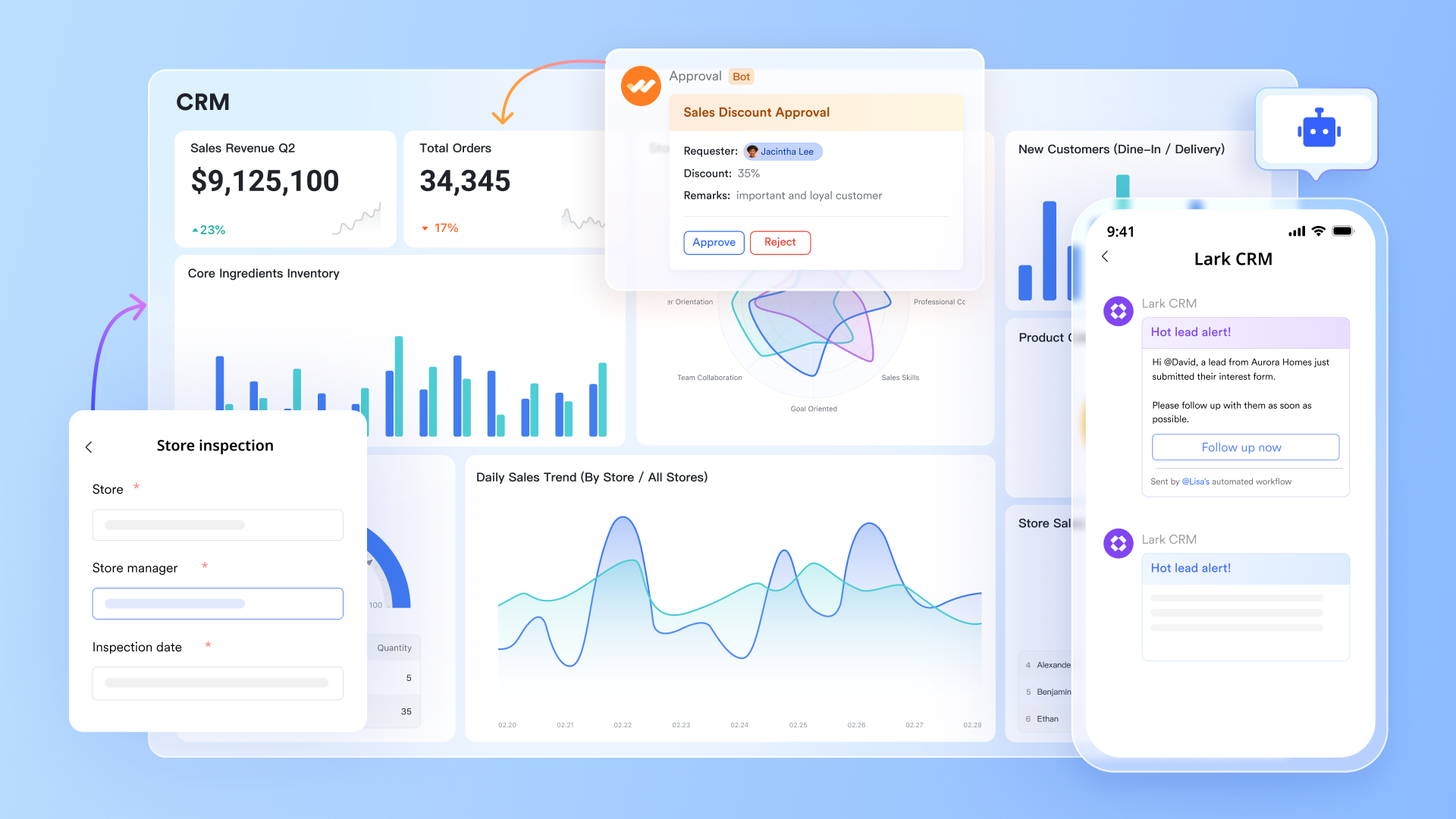
Lark's solution: Lark Base provides a flexible database foundation that allows businesses to create custom fields, tables, and relationships tailored to their industry requirements. Companies can build:
- Patient management systems for healthcare with custom medical history fields for health and medical industry
- Property databases for real estate with detailed specification tracking for real estate industry
- Campaign performance dashboards for marketing agencies
- Inventory management systems for retail with real-time stock updates
The visual interface allows non-technical users to create complex data structures without coding, while maintaining enterprise-level security and compliance standards.
Streamlining industry-specific communication and collaboration
Industry needs: Different industries have unique communication patterns—healthcare teams need secure patient discussion channels, manufacturing requires real-time production issue resolution, and professional services depend on client collaboration spaces.
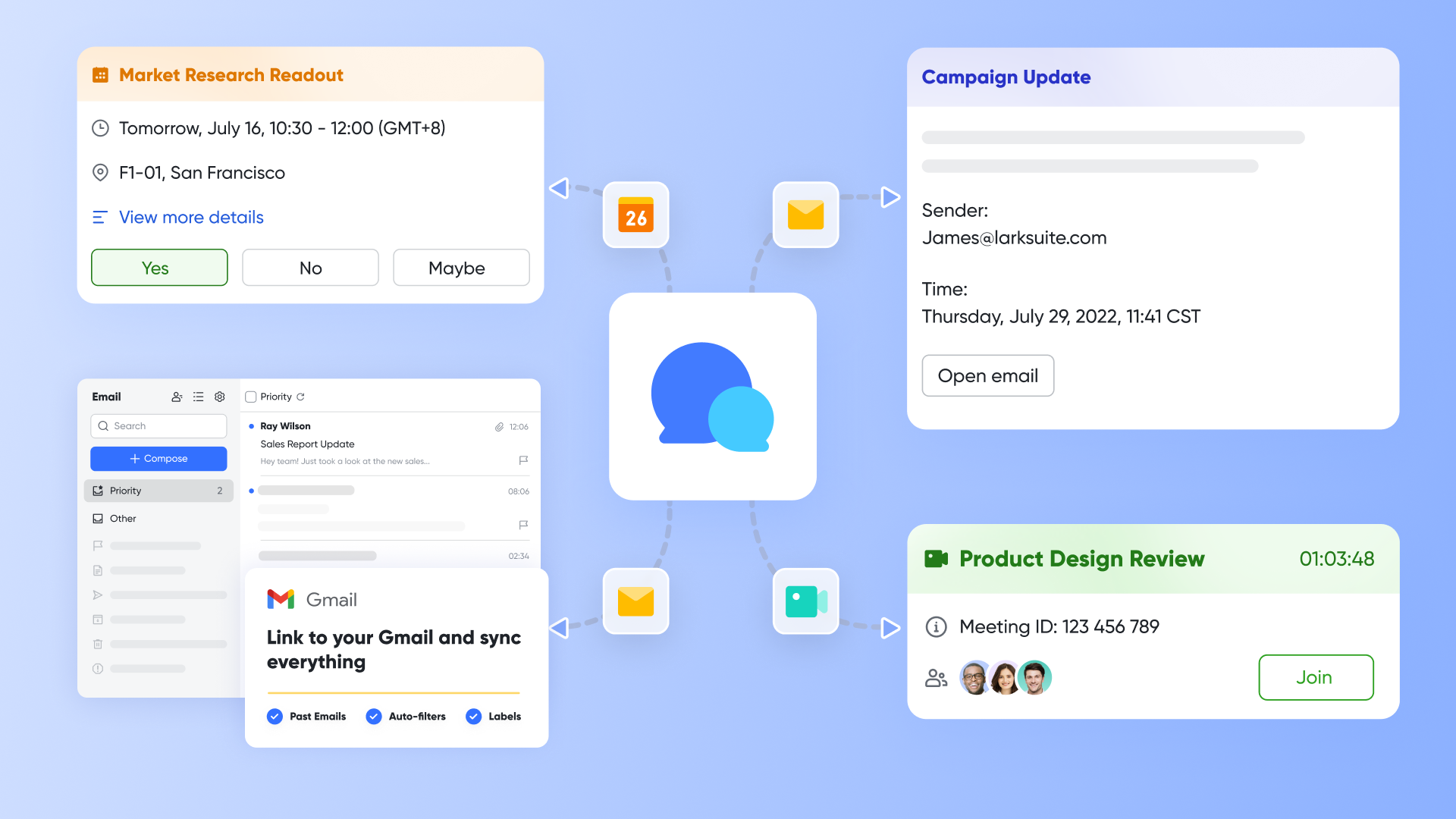
Lark's solution: Lark Messenger integrates seamlessly with other Lark functions, creating context-aware communication channels. Features include:
- Secure group chats for patient care teams in healthcare with HIPAA-compliant messaging
- Project-specific channels for consulting firms where client discussions connect directly to project documents
- Production alert channels for manufacturing teams with instant notification systems
- Client collaboration spaces where external stakeholders can participate in specific discussions without accessing entire systems
The platform maintains conversation history connected to relevant records, ensuring context isn't lost when team members need to review previous discussions.
Automating industry-specific workflows and approvals
Industry needs: Every industry has unique approval processes—healthcare requires treatment plan approvals, manufacturing needs quality control sign-offs, financial services demand compliance approvals, and education institutions have curriculum approval workflows.
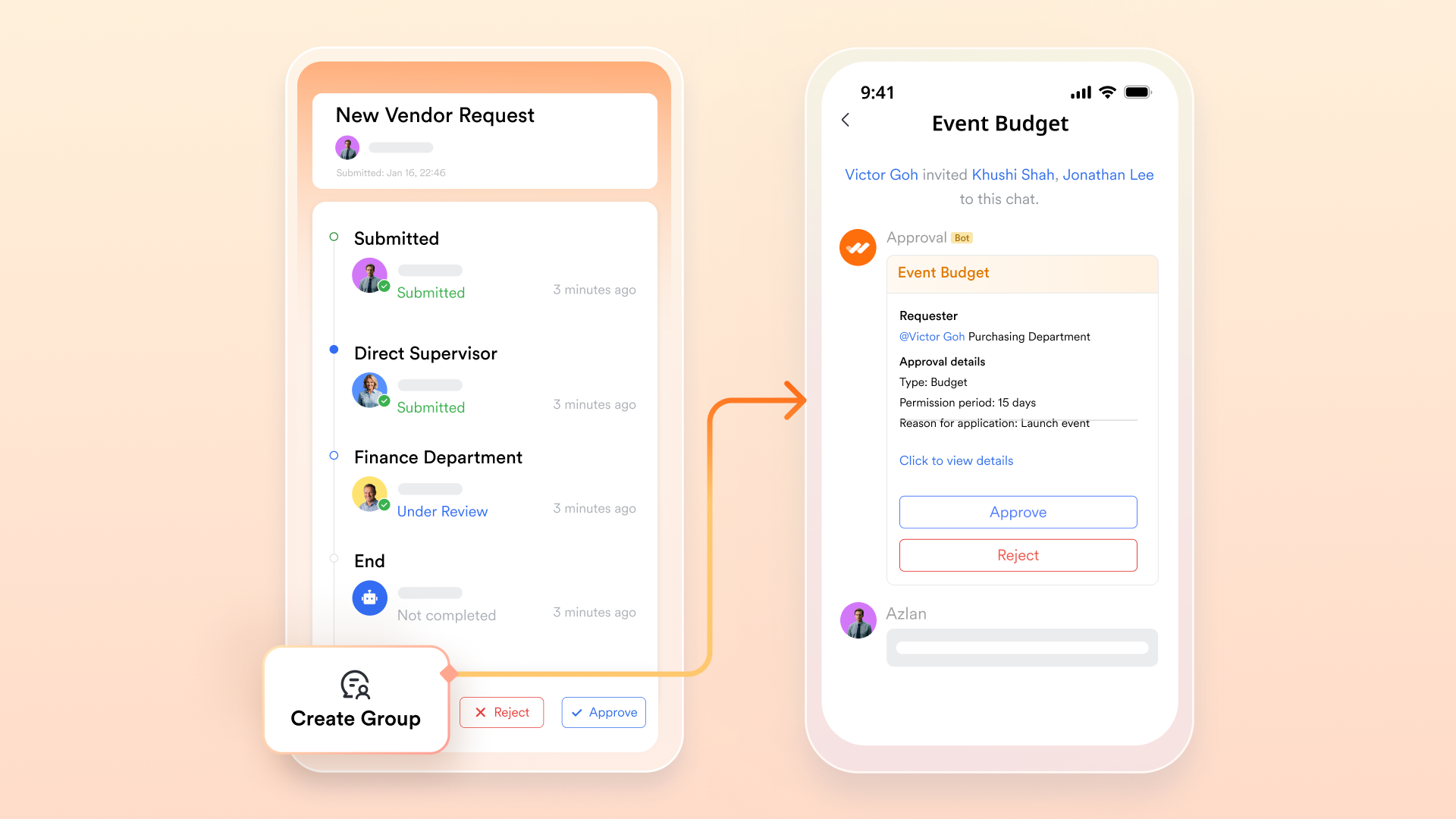
Lark's solution: Lark Approval provides customizable workflow automation that adapts to industry-specific processes. The system enables:
- Multi-level approval chains with conditional routing based on content type and values
- Combined with Lark Docs for collaborative document review and signing processes
- Mobile approval capabilities for field teams that need to authorize operations remotely
- Audit trails that meet industry compliance requirements for financial services and healthcare
Businesses can create approval workflows that mirror their existing operational processes without requiring technical development resources.
Managing industry-specific documentation and knowledge
Industry needs: Documentation requirements vary significantly—legal firms need contract management, healthcare requires treatment protocol documentation, manufacturing depends on quality control documentation, and education needs curriculum materials management.
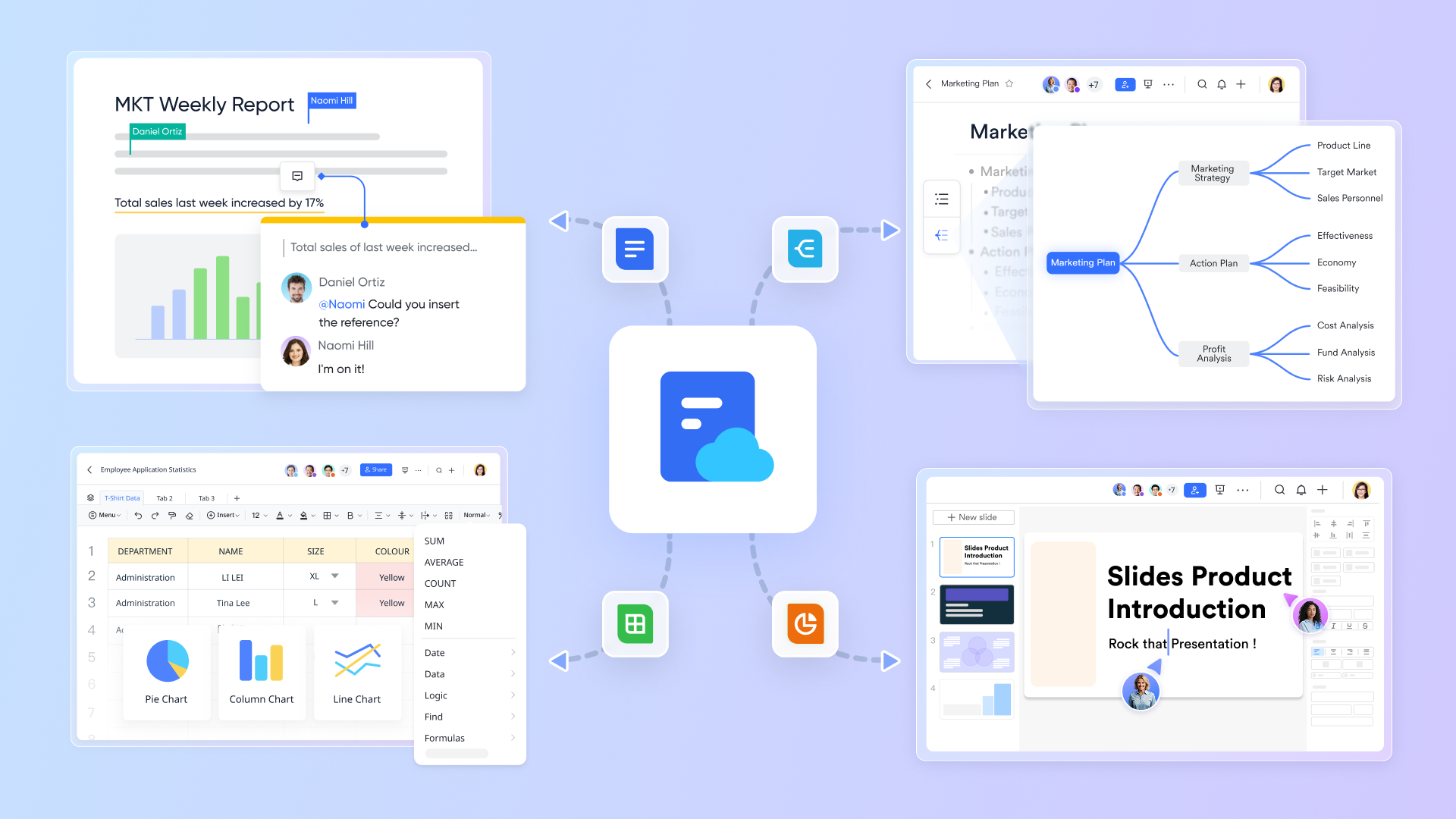
Lark's solution: Lark Docs & Wiki provides a comprehensive documentation tool that supports industry-specific content needs:
- Collaborative editing for team-developed industry standards and procedures
- Template libraries for common industry documents like clinical reports, legal contracts, or project proposals
- Version control that maintains compliance with industry record-keeping requirements
- Knowledge base creation for industry-specific best practices and operational guidelines
The combination with other Lark features ensures documents are connected to relevant projects, tasks, and communications, creating a unified knowledge ecosystem.
Coordinating industry-specific project and task management
Industry needs: Project management requirements differ across sectors—construction needs timeline coordination with subcontractors, marketing agencies require campaign milestone tracking, healthcare needs patient treatment scheduling, and technology companies demand product development roadmaps.
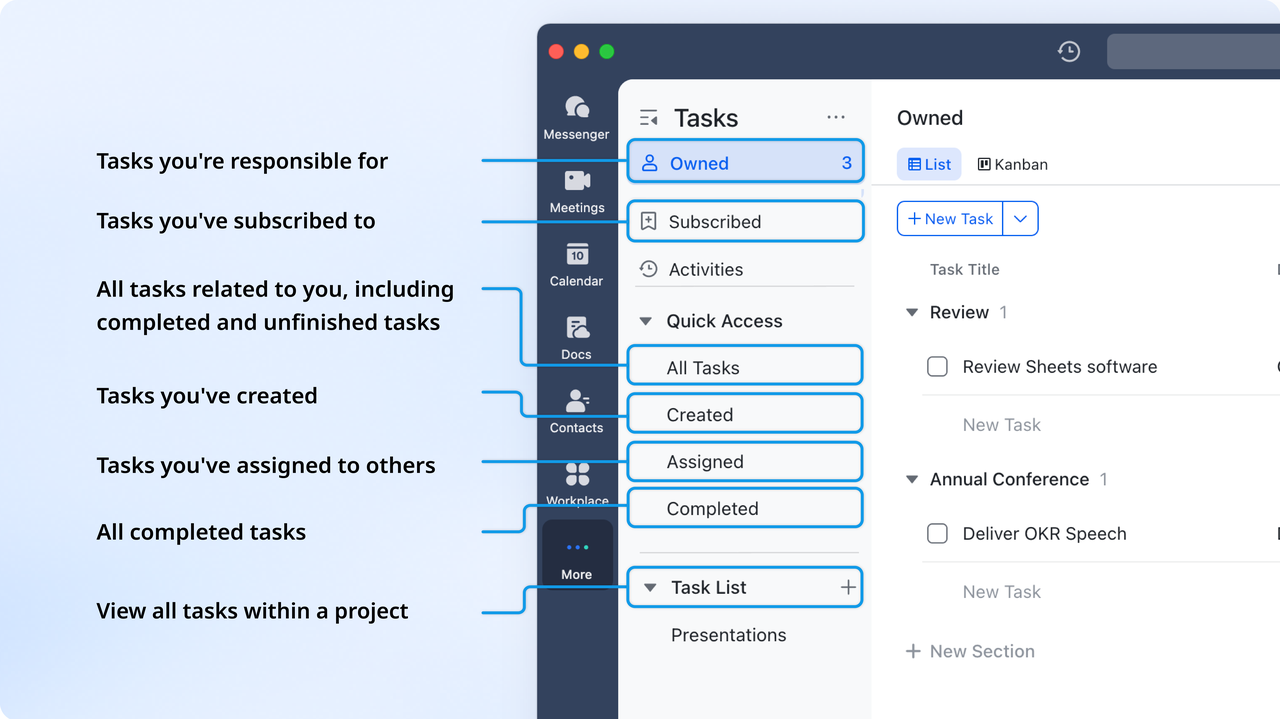
Lark's solution: Lark Base provides flexible project management capabilities that adapt to industry workflows:
- Custom task fields that capture industry-specific information like construction safety requirements or medical procedure details
- Gantt chart views for timeline-sensitive industries like event management or construction
- Resource allocation tools for service industries that need to manage team assignments and availability
- Integration with Lark Calender and communication features for coordinated execution across departments
The platform supports both simple task tracking and complex project management requirements, scaling from individual initiatives to enterprise-wide program management.
Implementing CRM solutions: Industry-specific considerations
Successful CRM implementation requires careful planning and consideration of industry-specific factors that can significantly impact adoption and effectiveness. The process involves more than just technical installation—it requires alignment with business processes, organizational culture, and industry standards.
- Considering unique feature of an industry: When selecting a CRM platform, businesses must consider several key factors that vary by industry. Regulatory compliance requirements differ significantly across sectors, with healthcare organizations needing HIPAA compliance, financial services requiring stringent data security measures, and international businesses facing GDPR considerations. The platform's ability to support these requirements without compromising functionality is essential for successful implementation.
- Customization capabilities become particularly important for businesses with unique processes or those operating in emerging industries where standardized solutions may not exist. The ability to adapt the CRM to existing workflows rather than forcing dramatic process changes can significantly improve adoption rates and reduce implementation resistance among team members.
- Integration requirements also vary by industry. Manufacturing businesses may need tight CRM integration with inventory and supply chain systems, while service organizations might prioritize connections to project management and scheduling tools. Media companies often require digital asset management integration, and educational institutions may need student information system connectivity.
- Training and change management strategies should be tailored to industry contexts. Different sectors have varying levels of technological familiarity among staff, and implementation approaches should account for these differences. The terminology used in training materials should reflect industry-specific language and concepts to ensure clarity and relevance for users.
- Ongoing support and scalability considerations must align with industry growth patterns and seasonal fluctuations. Businesses should evaluate not just current needs but also how those needs might evolve as the organization grows or as industry conditions change. The flexibility to adapt to new regulations, market conditions, or business models is increasingly important in today's rapidly changing business environment.
Future outlook: the evolution of CRM across industries
The trajectory of CRM development points toward increasingly intelligent, integrated, and industry-specific solutions that will continue transforming how businesses manage customer relationships. Several key trends are shaping the future landscape of CRM applications across different sectors.
- Artificial intelligence and machine learning will become more deeply embedded in CRM systems, moving beyond basic automation to provide genuine predictive insights and intelligent recommendations. These AI capabilities will be increasingly tailored to specific industry contexts, understanding sector-specific terminology, patterns, and best practices without requiring extensive customization.
- Integration ecosystems will expand beyond traditional business applications to include IoT devices, industry-specific hardware, and emerging technologies. This connectivity will enable real-time data exchange between CRM systems and operational equipment, creating more comprehensive views of customer interactions and product performance across manufacturing, healthcare, and service industries.
- Personalization capabilities will advance to create truly individualized customer experiences across all touchpoints. CRM systems will leverage richer data sources and more sophisticated algorithms to anticipate customer needs and preferences at a granular level, while maintaining appropriate privacy and compliance standards.
The convergence of CRM with other business functions will continue, blurring the lines between traditional departmental boundaries. Future systems will likely function as unified business platforms rather than isolated customer management tools, incorporating elements of ERP, project management, and operational oversight into cohesive ecosystems.
Conclusion
The evolution of CRM systems has transformed them from generic contact management tools into sophisticated platforms that understand and address industry-specific challenges. Across healthcare, manufacturing, retail, financial services, and countless other sectors, businesses are discovering that effective customer relationship management requires solutions tailored to their unique operational contexts, compliance requirements, and customer interaction patterns. The future of CRM lies in platforms that offer both robust core functionality and the flexibility to adapt to specific industry needs while maintaining seamless integration across communication, documentation, and workflow management. As businesses continue to navigate increasingly complex customer landscapes, solutions like Lark demonstrate how modern platforms can provide the foundation for industry-specific innovation while maintaining the reliability and security that organizations require.
FAQs
What is CRM in industry?
CRM in industry refers to specialized customer relationship management systems tailored to specific business sectors. These solutions address unique industry workflows, compliance requirements, and customer interaction patterns, providing optimized functionality for healthcare, manufacturing, financial services, retail, and other specialized fields.
What are the 4 types of CRM?
The four primary CRM types are operational (automating customer-facing processes), analytical (data analysis and insights), collaborative (cross-department communication), and strategic (long-term relationship development). Each type serves different business needs while working together to support comprehensive customer management.
Which industry uses CRM the most?
The technology and software industry typically leads to CRM adoption, followed by financial services and banking. Healthcare, manufacturing, and professional services have shown significant recent growth in implementation, driven by digital transformation needs and customer retention strategies.
What is an example of a CRM?
Salesforce is a prominent CRM example offering comprehensive sales, service, marketing, and analytics capabilities. Other examples include Microsoft Dynamics 365, HubSpot CRM, and Zoho CRM, which provide contact management, marketing automation, and customer service tools across various business sizes.
How do different industries customize their CRM systems?
Industries customize CRMs through sector-specific data fields, specialized workflows, industry application integrations, and compliance features. Healthcare adds patient records, manufacturing incorporates supply chain tools, retail integrates inventory management, and financial services implements regulatory compliance features.
What should businesses consider when choosing an industry-specific CRM?
Key considerations include regulatory compliance, integration capabilities, customization flexibility, scalability, and total cost. Businesses should also evaluate vendor industry expertise, support services, mobile accessibility, and how well the platform aligns with their specific workflow requirements.
Related reading
Table of contents
Start using Lark today

Manage all your work in one place
Boost team efficiency by 10x
Save up to 70% on software costs
Table of contents
Start using Lark today
Manage all your work in one place
Boost team efficiency by 10x
Save up to 70% on software costs
Keep reading









2026 Lark Technologies Pte. Ltd.
Headquartered in Singapore with offices worldwide.






Explore: