In the realm of project management, methodologies play a crucial role in guiding teams through their projects effectively. Among these, PRINCE2 methodology stands out as a structured approach that emphasizes governance, control, and scalability, which are essential for successful project delivery. Defined as "Projects IN Controlled Environments," PRINCE2 has gained global recognition for its ability to streamline project management processes across various industries. In this blog, we aim to provide an in-depth exploration of PRINCE2 methodology, detailing its core principles, benefits, and processes that can significantly enhance project teams' performance.
What is PRINCE2 methodology?
PRINCE2 methodology is a structured framework that provides a systematic approach to project management. PRINCE2 was first established in 1989 by the Central Computer and Telecommunications Agency (CCTA) and was initially developed for information system projects and IT projects within the UK government. Over the years, it has transformed into a widely adopted methodology, recognized globally for its flexibility and effectiveness.
The acronym "PRINCE" stands for "PRojects IN Controlled Environments," which reflects its core focus on within defined parameters and environments. Dividing projects into manageable stages is a core feature of the PRINCE2 project management methodology, and these stages are also referred to as . This feature is particularly valuable for teams seeking organization and clarity in their project processes.
PRINCE2's applicability extends across various sectors, including IT, construction, and healthcare, making it a versatile choice for organizations of all sizes. Its emphasis on defined roles and responsibilities, along with its systematic approach to risk management, positions PRINCE2 as a preferred methodology for businesses aiming to improve project outcomes.
The PRINCE2 methodology is recognized by the Project Management Institute (PMI) as a compatible methodology with the Project Management Body of Knowledge (PMBOK).
Explore how businesses benefit from effective methods
Project environment and governance in PRINCE2
In PRINCE2 project management, grasping the project environment and building strong governance foundations creates the pathway to meaningful project success. The project environment embraces all those internal and external influences that shape a project's journey—organizational culture, stakeholder aspirations, regulatory landscapes, and market currents. When project management teams recognize and work with these factors thoughtfully, they can craft approaches that keep projects both relevant and beautifully aligned with their organization's strategic vision.
Through establishing clear defining meaningful stage boundaries, and maintaining a sharp focus on business justification, PRINCE2 empowers organizations to manage projects in controlled environments with genuine confidence. The well-structured governance approach ensures projects receive , execution, and monitoring, supporting project success and delivering outcomes that truly satisfy stakeholder expectations.
7 core principles of PRINCE2
At the heart of PRINCE2 methodology are the seven principles, which form the foundational framework that guides its application and implementation. All seven principles must be followed for a project to be considered compliant and successful within the PRINCE2 structure. Understanding these principles is essential for organizations looking to adopt PRINCE2 effectively. Here are the foundational principles:
- Continued business justification: As the first principle of PRINCE2, every project must have ongoing business value that justifies the investment of time, money, and resources. This ensures that projects remain aligned with and deliver real value.
- Learn from experience: PRINCE2 encourages project teams to learn from past projects, utilizing lessons learned to improve practices and decision-making in future initiatives. This principle fosters a culture of reflection and continuous improvement.
- Defined roles and responsibilities: The third principle of PRINCE2 ensures that everyone involved understands their specific role and expectations. Clearly defined roles and responsibilities are crucial for accountability and efficiency in , from the project sponsor to the project manager.
- Managing by stages: As the fourth principle, PRINCE2 divides projects into manageable stages with defined deliverables and decision points. This structured approach facilitates control and enables timely decision-making.
- Managing by exception: The fifth principle allows senior management to focus on strategic decisions while project managers handle day-to-day operations within agreed parameters. This streamlines communication and enhances .
- Focusing on products: The sixth principle emphasizes delivering quality products that meet user requirements rather than just completing activities, ensuring that project efforts align with user needs and expectations.
- Tailoring to suit the project environment: PRINCE2 is adaptable, allowing organizations to tailor its principles and processes according to their specific project context, size, and risk profile.
Understanding and applying these principles is vital for any team leveraging the PRINCE2 methodology. They provide a framework that aids in structured project management and ensures that team members can work cohesively towards shared goals, ultimately enhancing project success.
Optimize project environment and governance now
7 processes of PRINCE2
The pre-project process in PRINCE2 is the initial phase where feasibility is assessed, the project team is formed, and key activities such as appointing the project manager and creating the project brief are carried out to determine if the project should proceed.
PRINCE2's seven core processes create the strong foundation of this proven project management approach. Each process brings clear objectives, specific deliverables, and smart decision points, establishing a reliable pathway from project start to successful completion. Stage boundaries work as valuable checkpoints, where the project board reviews achievements, confirms ongoing business value, and makes informed decisions about moving forward.
Status 1. Starting up a project: This is the first process in PRINCE2, where the project's viability is determined. It includes creating the project mandate and project brief, appointing the project team, and preparing the necessary documentation to . The goal here is to establish a solid foundation before allocating resources.
Status 2. Directing a project: In this process, the project board provides overall direction and decision-making support throughout the project. This involves ensuring that the project remains viable and aligned with the business goals, empowering the project manager to manage day-to-day operations while retaining strategic oversight.
Status 3. Initiating a project: This process involves defining the project's scope, costs, timescales, risks, quality, and benefits. It includes the creation of the and stage plan, as well as a detailed project initiation document (PID) that defines the project's objectives, scope, risks, and governance structure. It sets the stage for project work, ensuring that all stakeholders have a clear understanding of what the project entails and how it will be executed.
Status 4. Controlling a stage: Once the project is underway, this process manages the day-to-day operations of the current stage. The project manager breaks down complex tasks into manageable parts, and project status, addresses issues as they arise, and implements any necessary corrective actions to keep activities on track regarding time and budget.
Status 5. Managing : This process focuses on ensuring that project outputs (products) are delivered as specified. It includes managing the work necessary to produce the desired products and achieving quality standards, ensuring that project deliverables meet specified requirements. Effective communication between team members is essential in this stage to meet timelines and deliverables.
Status 6: Managing stage boundaries: At the end of each stage, the project board holds review meetings to confirm continued business justification and decide whether to continue, modify, or end the project. This process , assesses whether the project's objectives are being met, and reassesses risk before proceeding to the next stage. It allows for informed decision-making regarding the continuation or adjustment of the project.
Status 7: Closing a project: The final process is , where the project manager completes final documentation, ensures project deliverables meet requirements, and captures lessons learned. This involves confirming that the project outputs meet the acceptance criteria, obtaining stakeholder feedback, documenting lessons learned, and releasing project resources. Proper closure is essential for organizational learning and future project success.
The project process in PRINCE2 is a structured sequence of stages, including starting up, initiating, controlling, and closing a project, each designed to ensure project success and governance.
Experience PRINCE2 method with the right tool
Benefits of adopting the PRINCE2 project management methodology
The adoption of this methodology offers numerous advantages that can dramatically enhance project outcomes. Here are some key benefits:
1. Improved and management
PRINCE2 provides a structured framework that enables project managers to maintain control over every aspect of the project. The clear processes and defined roles ensure that everyone understands their responsibilities, leading to more efficient . PRINCE2 also helps improve project success rates by providing a structured approach that increases the likelihood of delivering projects on time and within scope.
2.
PRINCE2 places a significant emphasis on identifying and managing risks throughout the project lifecycle. By encouraging teams to assess risks at each stage, organizations can mitigate potential issues before they escalate, resulting in smoother project delivery. Additionally, documenting and utilizing lessons learned from previous projects is a key part of PRINCE2, helping inform both current and future projects for continuous improvement.
3. Enhanced stakeholder communication
The emphasis on defined roles and ongoing in PRINCE2 fosters improved communication. By keeping stakeholders informed and involved, teams can align project goals with stakeholder expectations, enhancing satisfaction and buy-in.
4. Scalability and flexibility
One of the most appealing aspects of PRINCE2 is its adaptability. Organizations can tailor the methodology to suit their specific project size, complexity, and industry requirements, making it a versatile tool for various types of projects.
PRINCE2 also helps create a common language and approach that improves collaboration across departments and project teams. Obtaining a project management certification, such as PRINCE2, demonstrates a validated understanding of the methodology and a commitment to structured project management approaches. Professional certification not only enhances career prospects but also increases professional credibility and expertise in managing projects effectively.
Utilizing collaboration tools for PRINCE2 success
Adopting the PRINCE2 methodology can significantly improve project management, but integrating collaboration tools into this framework can enhance its effectiveness. Utilizing collaboration tools helps streamline workflows and ensures adherence to PRINCE2 principles, ultimately leading to successful project delivery. These can facilitate communication, , documentation, and reporting, all essential aspects of managing projects within the PRINCE2 structure.
Centralized communication for better project clarity
Clear communication is vital for project success, especially within the structured environment of PRINCE2. Using collaboration tools allows for shared channels and discussions that enable real-time updates among team members. This fosters transparency and quick resolution of issues.
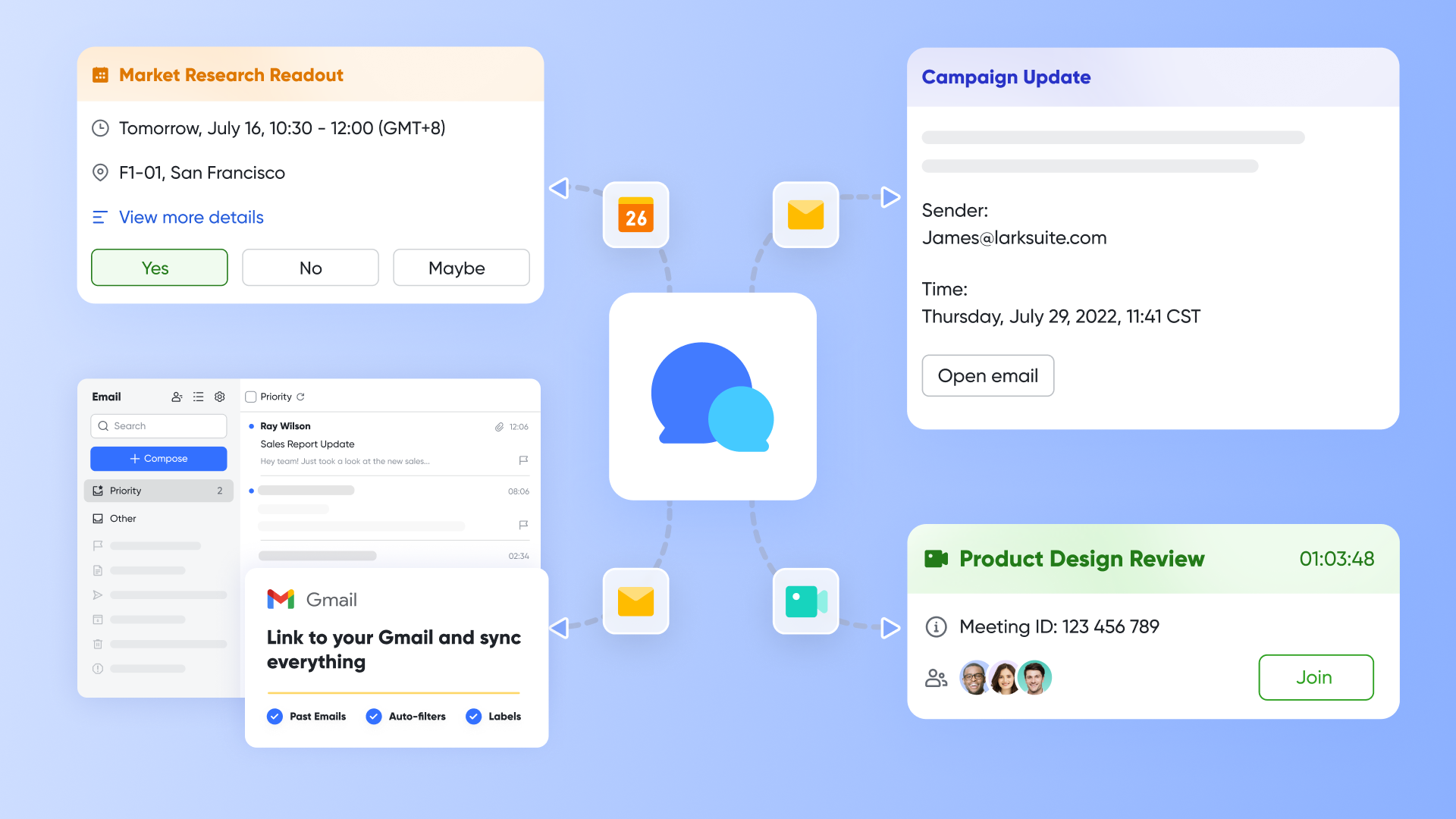
Lark's solution: provides an efficient platform for centralized communication, allowing teams to create dedicated channels for specific projects. This ensures that all discussions, files, video conferencing, and updates in project flows are accessible in one location. Users can share documents and start a meeting directly via chat, facilitating better coordination. Task management and tracking
Effective task management and tracking are essential components of the PRINCE2 methodology. This process ensures that responsibilities are clear, deadlines are met, and project objectives are prioritized. It helps teams visualize their workload and manage tasks efficiently, enhancing productivity.
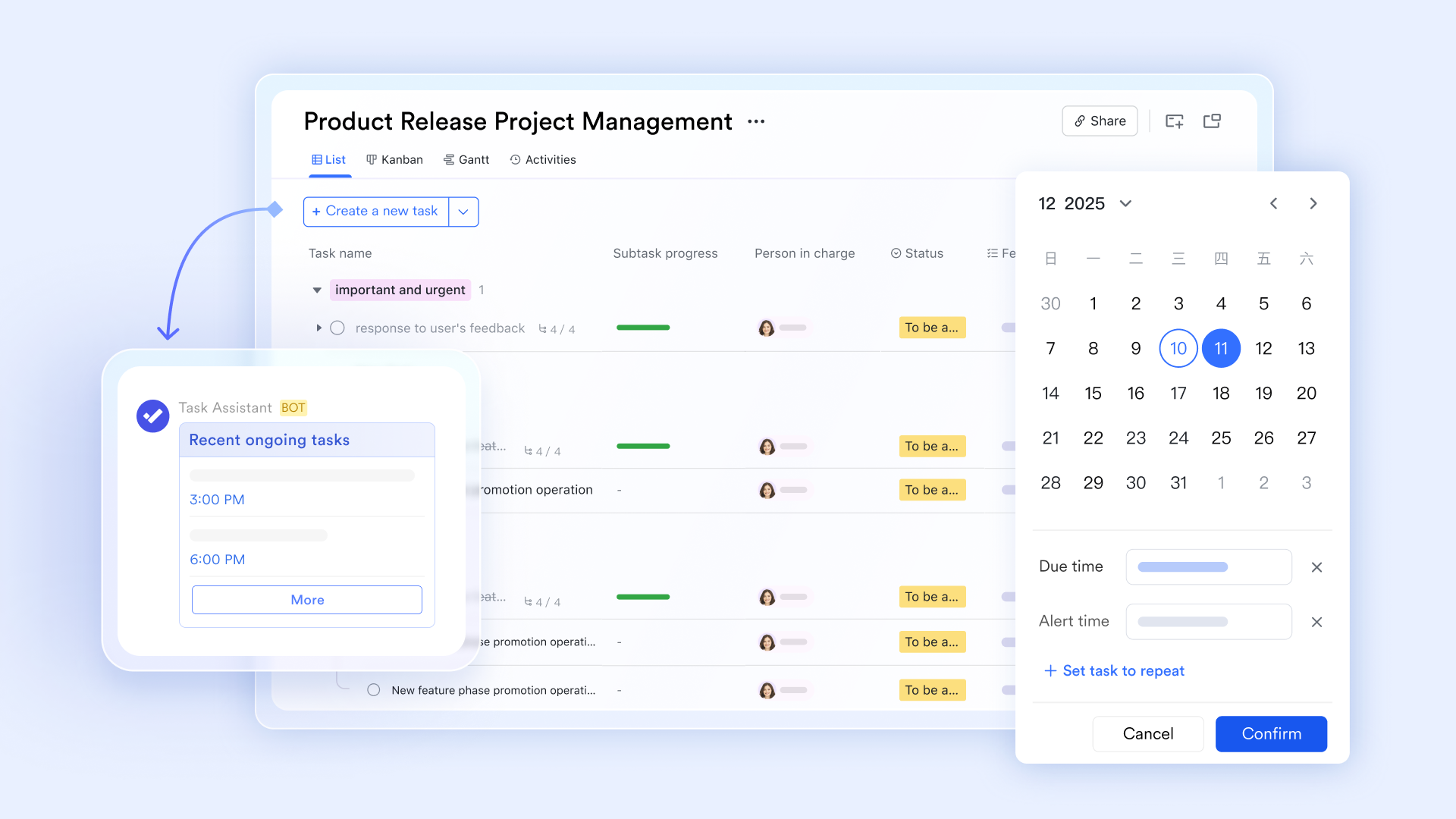
Lark's solution: Lark Tasks empowers users to create, assign, and manage tasks seamlessly. With options for setting due dates, reminders, and priorities, teams can within the PRINCE2 framework. Tasks can also be linked to specific project stages in a document in Lark Docs or in Calendar view, ensuring alignment with project goals. Documentation for effective project planning & delivery
Proper documentation is a cornerstone of PRINCE2 methodology. It is essential for maintaining clarity,, and ensuring compliance with project standards. Rich documentation facilitates knowledge sharing and helps new team members get up to speed quickly.
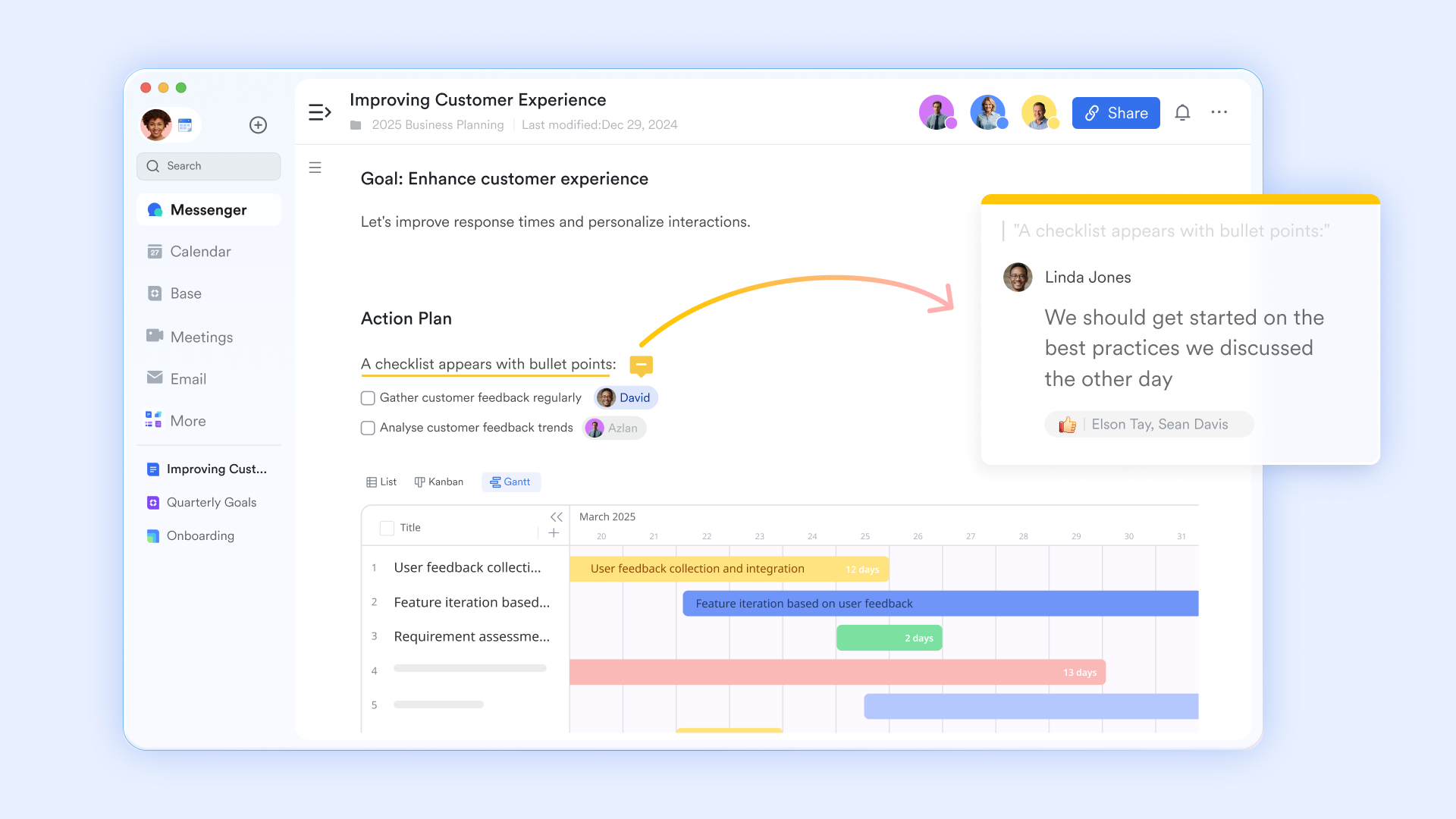
Lark's solution: provides a collaborative platform for co-creating, sharing, and systematically managing project documentation. Teams can work together in real-time, inserting comments with the @mention function, adding rich media, including videos, sheets, Gantt or Kanban boards, and MindNotes, and organizing documents efficiently. Automation workflow to streamline repetitive tasks
Incorporating automation can streamline repetitive tasks, reduce manual errors, and improve efficiency within PRINCE2 projects. Automating certain workflows allows teams to focus more on strategic initiatives rather than getting caught up in administrative tasks.
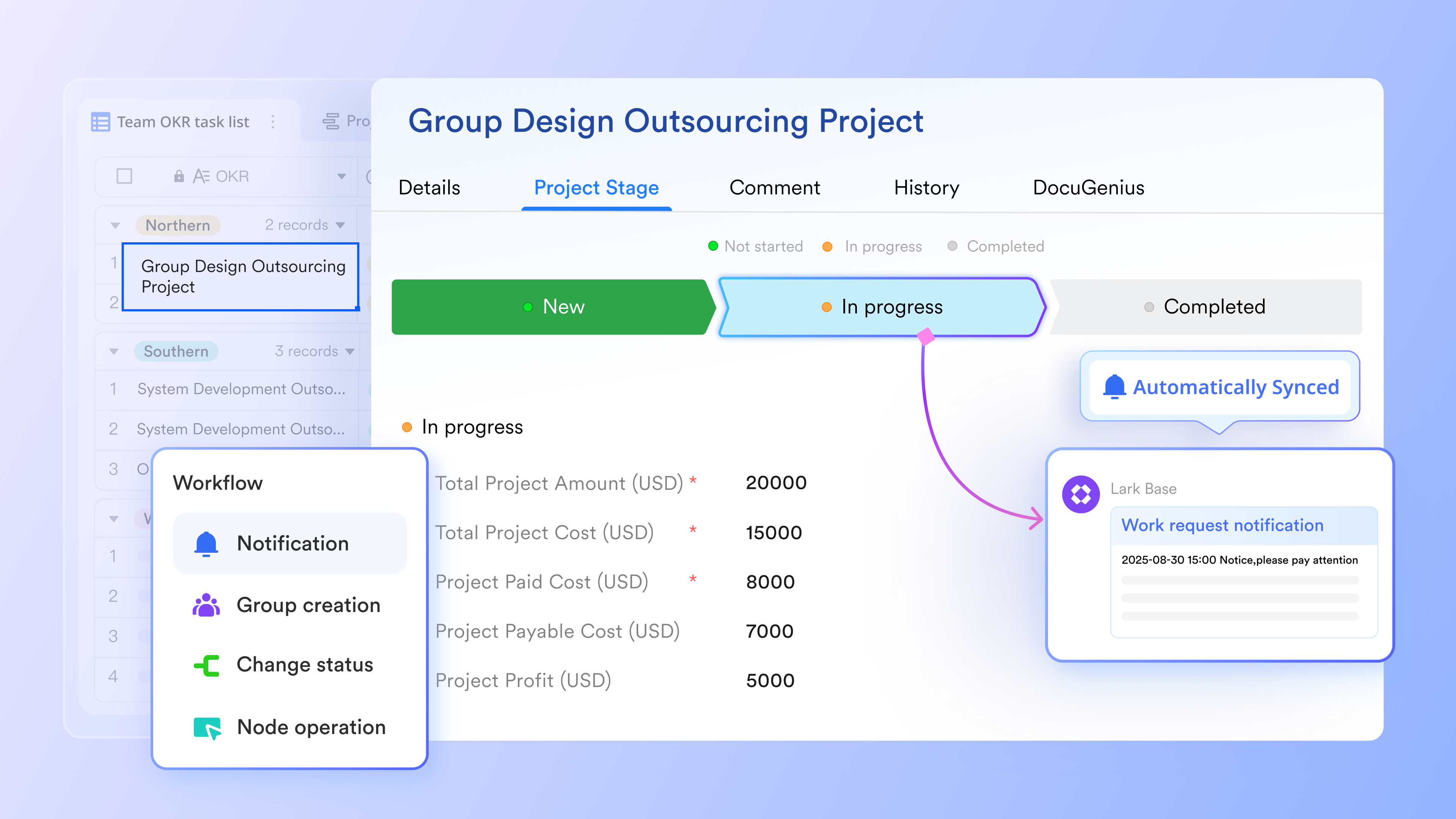
Lark's solution: Lark Base offers automation features that facilitate project management processes. Users can create custom for routine tasks like reporting, scheduling, and reminders, which helps teams remain aligned with PRINCE2's structured approach.
Project analyzing and reporting.
Analyzing project performance and generating reports are crucial for ensuring the success of PRINCE2 projects. Continuous analysis allows teams to gauge progress against objectives, identify potential risks, and make informed decisions about the project's future.
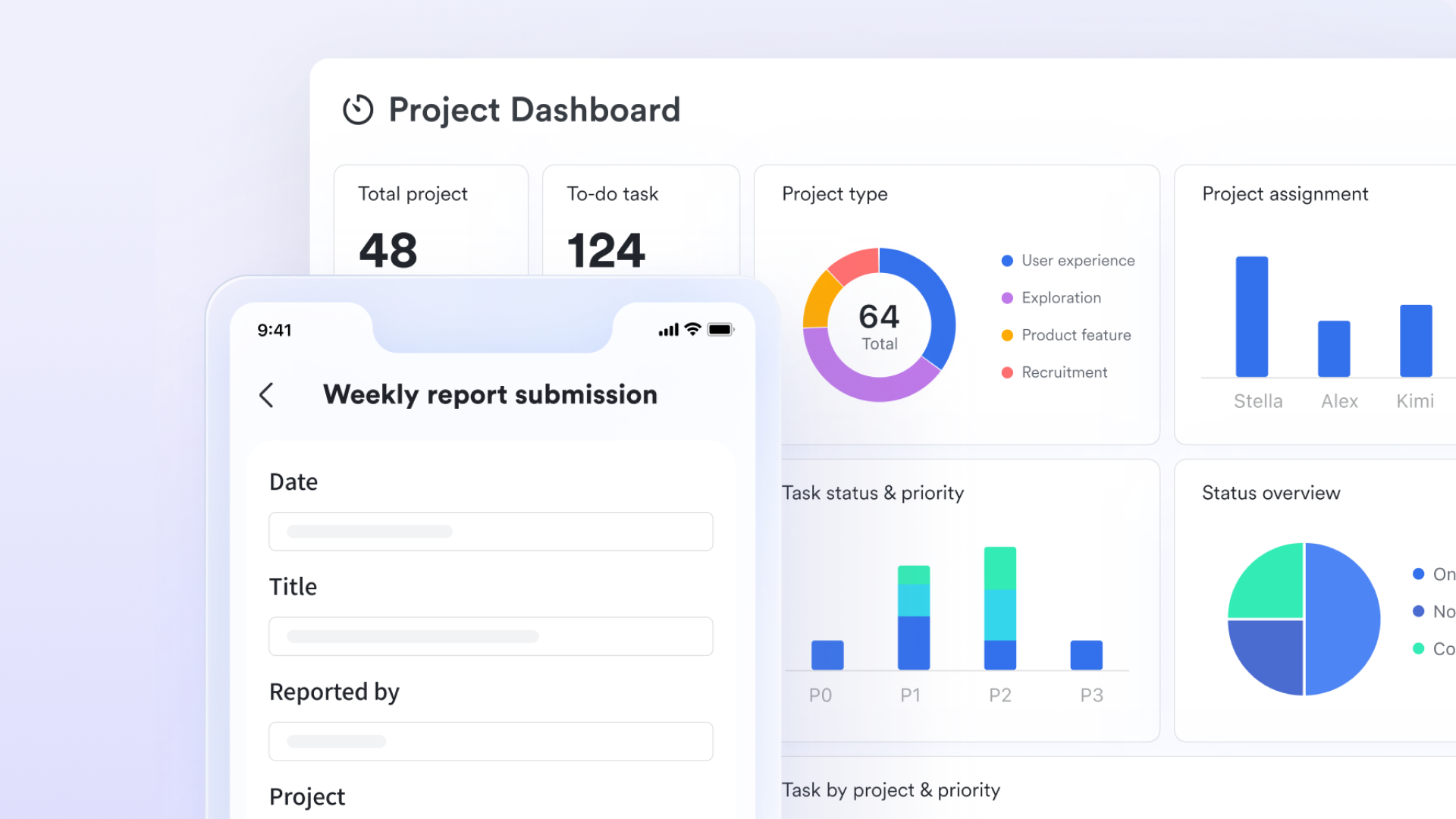
Lark's solution: includes a comprehensive visual dashboard that provides teams with insights into project performance metrics. Users can visualize data and track key performance indicators (KPIs), making it easier to communicate findings and project updates to stakeholders. for Lark:
- Starter plan: Free forever plan that includes 11 powerful tools for up to 20 users. It also comes with 100GB of storage, 1,000 automation runs, AI translations, and more.
- Basic plan: $6/user/month (billed annually) for up to 500 users, including everything in Starter plus 1-on-1 video meetings, 5TB of storage, 1,000 automation runs, and more. To know more about the Basic plan, .
- Pro plan: $12/user/month (billed annually) for up to 500 users. It includes everything in Basic plus a group calling for up to 500 attendees, 15TB of storage, 50,000 automation runs, and more.
- Enterprise plan: for custom pricing. Supports unlimited users and includes even more automation runs and advanced security, compliance, and management features.
For small teams with simple communication needs

18 months message history
1000 Base automation runs/month
2000 rows per table in Base
Most POPULAR
For companies with comprehensive collaboration and management needs
Unlimited message history
500-participant video meetings
50k Base automation runs/month
20k rows per table in Base
For large companies with advanced security and organizational management needs
Get a personalized demo and pricing
Unlimited message history
500-participant video meetings
15 TB storage + 30 GB storage/user
500k Base automation runs/month
50k Base automation runs/month
Most POPULAR
For companies with comprehensive collaboration and management needs
Unlimited message history
500-participant video meetings
50k Base automation runs/month
20k rows per table in Base
Incorporating like Lark within the PRINCE2 framework enhances project management efficiency and effectiveness. From centralized communication to automated workflows and robust documentation, these tools provide essential support for teams working to achieve successful project outcomes while adhering to PRINCE2 principles.
Challenges in implementing PRINCE2
Implementing PRINCE2 methodology can provide significant benefits, but teams may encounter several challenges during the adoption process. Here are some of the common obstacles and suggestions for overcoming them:
- Excessive documentation: A frequent concern with PRINCE2 is its emphasis on , which can overwhelm teams. While thorough documentation is essential for clarity and governance, it may lead to administrative burdens that detract from project execution.
- Complexity and rigidity: Some teams find PRINCE2's structured approach to be rigid, especially if they are more accustomed to agile methodologies. This complexity can lead to frustration and resistance to adopting the methodology. Clearly defining the project scope at the outset helps address challenges related to complexity and ensures all stakeholders understand the goals, deadlines, and deliverables, which can improve stakeholder buy-in.
- Stakeholder buy-in: Gaining full support from all stakeholders can be challenging, particularly from those unfamiliar with PRINCE2. Resistance to change can impede successful implementation.
- Risk management: PRINCE2 emphasizes identifying and managing risks throughout the . Developing mitigation strategies is crucial for proactively managing risks and anticipating challenges, which helps ensure successful project execution.
User experiences highlight that while implementing PRINCE2 can present challenges, they are surmountable with effective strategies. By focusing on streamlined documentation, promoting flexibility, and enhancing stakeholder engagement, organizations can successfully adopt the PRINCE2 methodology, leading to improved project outcomes.
Overcome challenges with the PRINCE2 method now
Best practices for implementing PRINCE2 methodology
Successfully implementing PRINCE2 methodology requires careful planning and execution. Here are actionable tips for organizations looking to adopt PRINCE2 effectively:
- Start with training and certification: Investing in training for your team members is crucial. Training should be obtained through an accredited training organization to ensure the certification's validity and adherence to official standards. PRINCE2 has a course of study that leads to certification in the methodology, with four levels of certification available.
- Gradual implementation: Rather than rolling out PRINCE2 across the entire organization simultaneously, consider an incremental approach. Begin by implementing PRINCE2 in small, manageable projects or within specific teams. This allows for early adjustments based on feedback and showcases quick wins to encourage wider adoption.
- Tailor the methodology: PRINCE2 is adaptable; therefore, tailoring its principles and processes to fit your organization's context is essential. Customize the approach based on project size, complexity, and industry. Understanding what to retain and what to adjust can greatly enhance the methodology's effectiveness.
- Establish clear roles and responsibilities: One of the cornerstones of PRINCE2 is defining roles and responsibilities. Ensure that each team member understands their duties within the project framework. This clarity helps prevent confusion and enhances accountability, critical for project success.
- Encourage ongoing assessment and adaptation: Continually assess the effectiveness of PRINCE2 in achieving project goals. Regular feedback sessions can help identify areas for improvement and allow for modifications that align with evolving project needs. This adaptability is vital for maintaining relevance in dynamic project environments.
Future trends in project management methodologies
As we look to the future, several trends could influence the evolution of PRINCE2 and project management as a whole:
Increased digitalization: The rise of digital tools is transforming project management practices. Technologies such as and machine learning are being integrated into project management software to enhance decision-making and forecast project outcomes. For PRINCE2, this may mean incorporating advanced analytics for risk assessment and reporting.
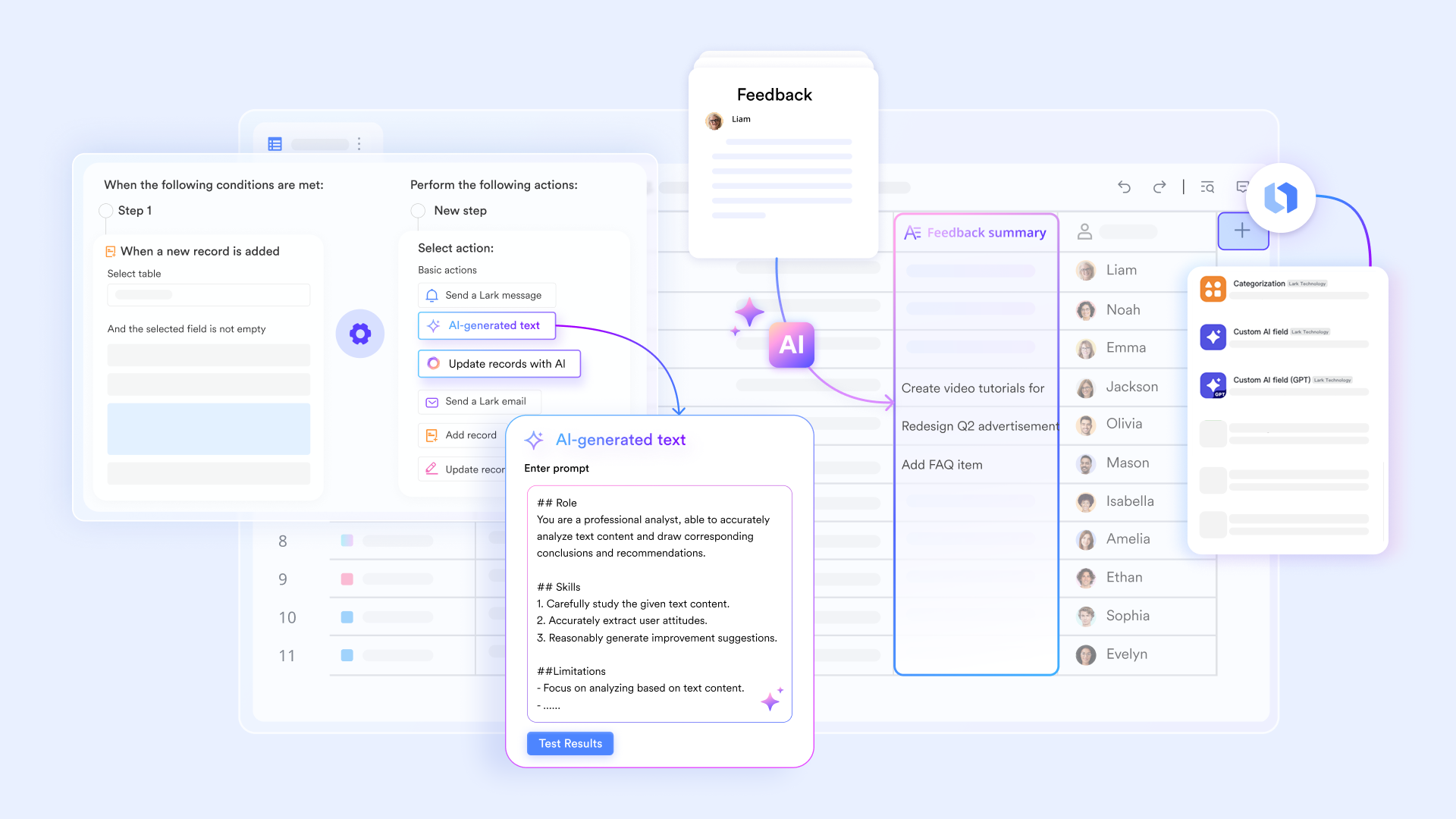
Focus on hybrid methodologies: Many organizations are adopting hybrid approaches that combine elements of PRINCE2 with . This trend allows teams to benefit from the structure of PRINCE2 while maintaining the flexibility of agile practices, suitable for projects that require rapid response to changes.
Remote and distributed teams: As the nature of work evolves, project managers must adapt to managing remote and distributed teams. This shift may necessitate an increase in reliance on collaboration tools and communication platforms to ensure cohesion and clarity within project teams.
Emphasis on sustainability: There is a growing awareness of the need for sustainable project practices. Future PRINCE2 implementations may include methodologies that prioritize environmental considerations and compliance with sustainability goals, aligning project management with broader organizational objectives.
Advanced data utilization: Continued advancements in data analytics will play a crucial role in shaping project management. Utilizing data for predictive analysis and can enhance project outcomes. This shift will require PRINCE2 practitioners to become adept at interpreting data to inform decision-making and improve project planning.
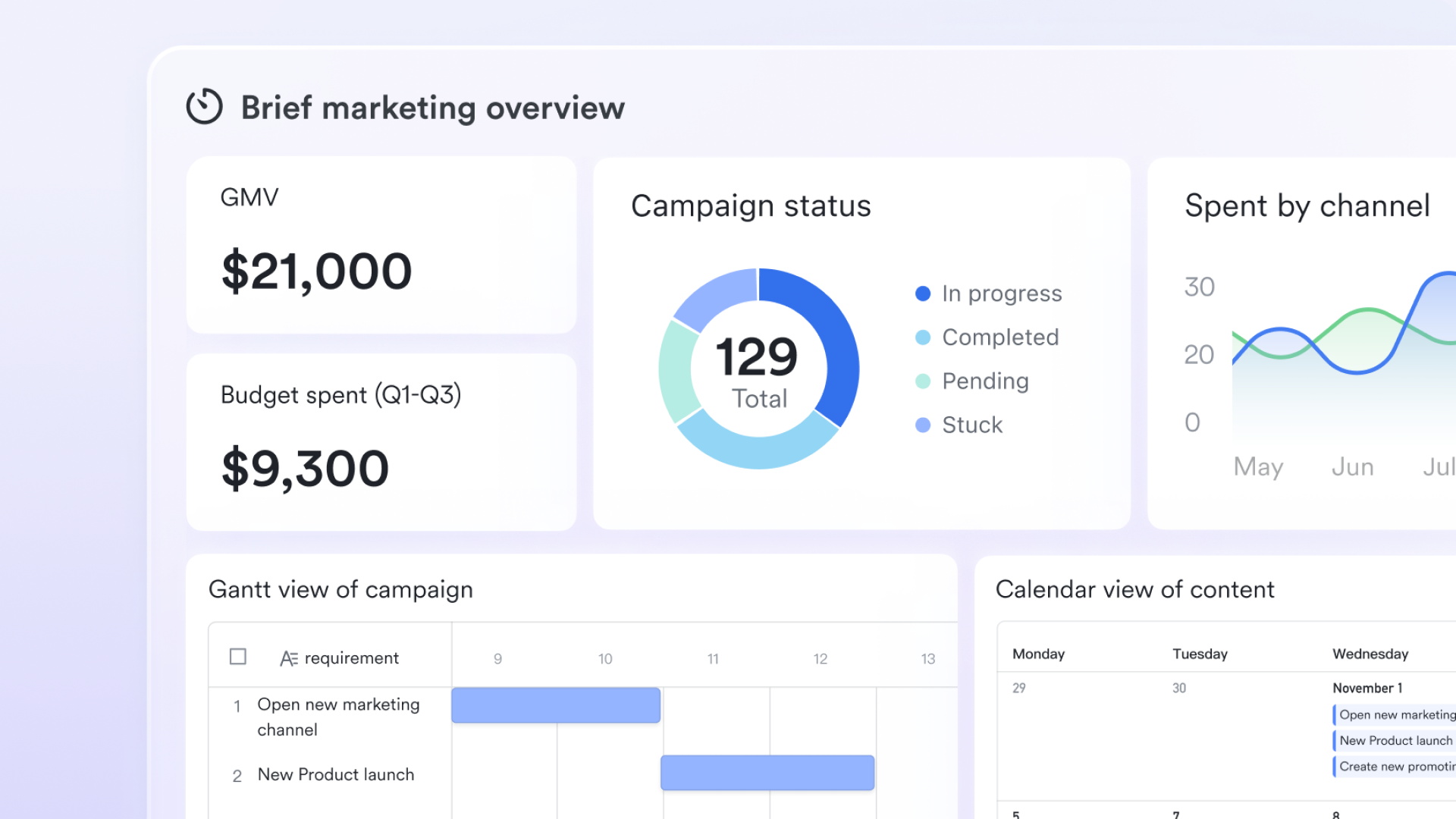
for future projects: Emphasizing the importance of planning for future projects is essential to sustain organizational growth and ensure project continuity. Integrating future project considerations into current planning helps organizations remain agile and prepared for upcoming initiatives.
By adhering to best practices in implementing PRINCE2 and staying abreast of evolving trends in project management, organizations can enhance their capabilities, improve project outcomes, and prepare for the future landscape of project management. The combination of structured methodologies like PRINCE2 with emerging technologies and practices positions organizations for success in an ever-changing environment.
Embrace the trend of the PRINCE2 method right now
Conclusion
Understanding PRINCE2 methodology is essential for successful project management, as it provides a structured framework that enhances project governance and efficiency. By integrating clear processes and defined roles, PRINCE2 enables teams to manage projects effectively, ensuring deliverables align with organizational goals. For organizations contemplating PRINCE2, it's a viable methodology that can be tailored to fit various project types and environments.
As you explore PRINCE2 further, consider leveraging tools like Lark, which enhance collaborative and project management efforts. combines real-time communication, task management, and powerful documentation capabilities, creating a cohesive environment for teams adopting PRINCE2 principles. By utilizing Lark alongside PRINCE2, organizations can streamline workflows, improve clarity, and drive successful project outcomes.
FAQs
What are the certification options for PRINCE2?
PRINCE2 offers two primary certification levels: Foundation and Practitioner.
- Foundation Certification: This level provides a fundamental understanding of PRINCE2 principles, processes, and terminology. It typically requires 2 to 3 days of training, either through classroom or online courses, followed by a formal exam.
- Practitioner Certification: This certification is intended for individuals who want to demonstrate their understanding of PRINCE2 and apply it in practice. It generally requires passing the Foundation exam first and can be achieved through a 2-day training course.
There are also PRINCE2 Agile certification options. The PRINCE2 Agile foundation exam measures whether you can act as an informed member of a project management team and understand how PRINCE2 works with Agile concepts. The PRINCE2 Agile practitioner exam measures whether you can apply Agile methods to managing your own PRINCE2 projects.
What are the 7 processes of PRINCE2?
The seven processes of PRINCE2 are:
- Starting up a project: Ensuring project viability.
- Directing a project: Providing strategic oversight.
- Initiating a project: Establishing a detailed project initiation document (PID).
- Controlling a stage: Managing day-to-day activities and performance.
- Managing product delivery: Ensuring products are developed as required.
- Managing stage boundaries: Reviewing progress at each stage and making decisions.
- Closing a project: Finalizing all activities and ensuring project deliverables are accepted.
These processes guide project teams through the entire project lifecycle, ensuring organization and clarity.
What is PRINCE2 vs Agile?
PRINCE2 and Agile serve different purposes in project management. PRINCE2 is a structured methodology focused on governance, control, and clear processes, suitable for both complex and straightforward projects. In contrast, Agile is a flexible approach emphasizing iterative development, customer collaboration, and responsiveness to change. Organizations often combine elements of both methodologies—using PRINCE2 for governance and Agile for iterative processes— to fit their project needs.
Is PRINCE2 better than PMP?
Determining whether PRINCE2 is better than PMP (Project Management Professional) depends largely on an organization's specific needs and project context. PRINCE2 provides a detailed framework emphasizing process control and management, making it suitable for projects with a stable environment. PMP, on the other hand, is based on a broader range of project management principles and is often recognized in a wider variety of sectors. Organizations may choose one over the other based on project requirements, industry standards, or team expertise. Both certifications are valuable, and understanding their differences can help professionals decide which is best for their career development.
Is PRINCE2 still relevant in 2026?
Yes, PRINCE2 remains relevant in 2026. Its adaptability allows integration with modern practices like agile methodologies and emphasizes governance, making it suitable for diverse projects. The demand for PRINCE2 certification continues to grow, reflecting its trusted status in project management across various industries. Moreover, as organizations increasingly focus on structured approaches to manage complex initiatives, PRINCE2's principles will remain vital, particularly concerning compliance and quality assurance.
Related reading