Organizations are constantly striving to achieve strategic objectives through various initiatives. While individual projects play a crucial role, it's often the coordinated effort of multiple, related projects—a program—that truly drives transformational change. Understanding and effectively navigating the program management life cycle is paramount for ensuring these programs deliver their intended value. This comprehensive guide will delve into the intricacies of program management a life cycle approach, exploring its phases, best practices, and the benefits of adopting an adaptive mindset. Join us as we uncover how a structured approach to program life cycle management can empower your organization to achieve sustained success and realize its strategic vision.
What is the program management life cycle?
life cycle represents a structured approach to managing a program from its inception to its closure. It's a systematic progression through distinct phases, each with , activities, and deliverables, designed to ensure the program effectively contributes to organizational goals. Unlike project management, which focuses on a single deliverable, program life cycle in project management encompasses the coordinated management of multiple interconnected projects, aiming for a larger strategic outcome. Essentially, it's about seeing the bigger picture and guiding a portfolio of projects toward a common strategic vision. This holistic perspective ensures alignment, , and mitigates risks across the entire program. It's not just about completing projects, but about realizing the benefits and strategic objectives that those projects collectively aim to achieve. The program management life cycle pmi framework, for instance, emphasizes this holistic view, providing a robust methodology for orchestrating complex initiatives. Understanding this life cycle of a program and project management is crucial for program managers to maintain control, adapt to change, and ultimately deliver successful outcomes that transcend individual project achievements.
How to manage the program life cycle
Effectively managing the program management life cycle requires a blend of strategic foresight, meticulous planning, and agile execution. It's about establishing a clear roadmap and continuously guiding the program through its various stages to achieve its overarching strategic objectives. A key aspect of program life cycle management involves establishing robust governance structures from the outset. This includes defining roles and responsibilities, setting up clear communication channels, and implementing decision-making processes that ensure accountability and transparency.
Successful program management life cycle management also hinges on proactive . Identifying, analyzing, and consistently communicating with all relevant stakeholders—from executive sponsors to project teams and end-users—is crucial for garnering support, managing expectations, and addressing concerns throughout the program's duration. Furthermore, effective is integral; identifying potential risks early, assessing their impact, and developing mitigation strategies can prevent costly delays and disruptions. Continuous monitoring and control are equally vital, involving tracking progress against baselines, measuring performance indicators, and implementing corrective actions when deviations occur. This iterative process of planning, executing, monitoring, and adapting ensures that the program remains on track and continues to deliver value. Moreover, integrating robust practices is essential, as programs often necessitate significant organizational shifts. Embracing a proactive approach to change helps ensure smooth transitions and user adoption, ultimately maximizing the program's chances of long-term success.
Start building smarter programs today
Phases of the program management life cycle
The program management life cycle is typically broken down into distinct phases, each crucial for the successful execution and ultimate benefit realization of the program. While terminology may vary slightly, the core stages remain consistent, guiding program managers through a structured journey. We will explore each phase of life cycle phases in detail.
Program initiation
The program initiation phase marks the formal beginning of a program. It involves defining the program's strategic objectives, establishing its alignment with organizational goals, and securing the necessary authorization and resources. During this stage, a clear program vision and mission are articulated, and a preliminary business case is developed, outlining the anticipated benefits and the rationale for undertaking the program. Key activities include identifying key stakeholders, appointing a program manager, and establishing initial . The aim here is to lay a solid foundation for the entire program, ensuring everyone understands "why" the program exists and what it aims to achieve. This phase is critical for setting the right direction and securing the commitment needed for subsequent stages.
Program planning
Once initiated, the program planning phase focuses on developing a comprehensive roadmap for the program's execution. This involves defining the scope, breaking down the program into manageable projects, and developing detailed project plans. , scheduling, and budgeting are meticulously planned, ensuring that all necessary resources—human, financial, and technological—are identified and assigned. Risk identification and planning for mitigation are also crucial elements of this phase. A robust communication plan is also developed to ensure effective information flow among all stakeholders. This phase is where the strategic vision is translated into actionable plans, with a strong emphasis on coordination and integration across all constituent projects. Effective planning in this stage sets the stage for efficient execution and minimizes potential roadblocks down the line.
Program execution
The program execution phase is where the bulk of the work happens. This is the stage where individual projects within the program are launched, managed, and controlled according to the plans developed in the previous phase. Program managers oversee the coordination of these projects, ensuring interdependencies are managed, resources are optimized, and communication flows smoothly. Continuous monitoring of progress, performance, and adherence to quality standards is essential. This phase also involves actively managing risks and issues as they arise, implementing corrective actions, and making necessary adjustments to keep the program on track. It's a dynamic phase that requires constant vigilance and proactive problem-solving to ensure that the program's objectives are being met.
Program performance and control
Running concurrently with the execution phase, program performance and control is about continuously monitoring the program's progress against its objectives and established baselines. This involves tracking key performance indicators (KPIs), conducting regular reviews, and reporting on program status to stakeholders. Variance analysis is performed to identify any deviations from the plan, and corrective actions are implemented to bring the program back on track. This phase also encompasses , where any necessary changes to the program scope, schedule, or budget are formally assessed, approved, and implemented. The goal is to maintain control over the program, ensuring it remains aligned with its strategic goals and delivers the anticipated benefits.
Program closure
The final phase, program closure, signifies the formal completion of the program. This involves verifying that all program objectives have been met, all deliverables have been accepted, and all contracts have been closed. A comprehensive program review is conducted to assess overall program performance, identify lessons learned, and document best practices for future initiatives. Resources are formally released, and a final report is prepared, summarizing the program's achievements, challenges, and overall success. This phase also includes the formal handover of program outputs and benefits to the operational environment, ensuring a smooth transition and the sustained realization of value. Effective closure ensures that the program’s legacy is captured and applied to future endeavors, contributing to continuous improvement within the organization. The program management life cycle deployment phase is often a critical part of closure, ensuring the successful integration of the program's outcomes.
Master your program phases with Lark's PM solution
Manage program life cycle with Lark
Navigating the complexities of the program management life cycle demands robust tools that foster , enhance visibility, and streamline execution. Fragmented systems often create silos and hinder progress, making it challenging to maintain a holistic view of the program. This is precisely where a unified platform like becomes invaluable, offering a comprehensive suite of integrated designed to support every phase of the program management life cycle, from initial strategy to final closure. Lark empowers organizations to move beyond isolated tasks and achieve strategic outcomes by connecting every layer of work in a single, cohesive environment.
Structuring your program's foundation with Lark Base
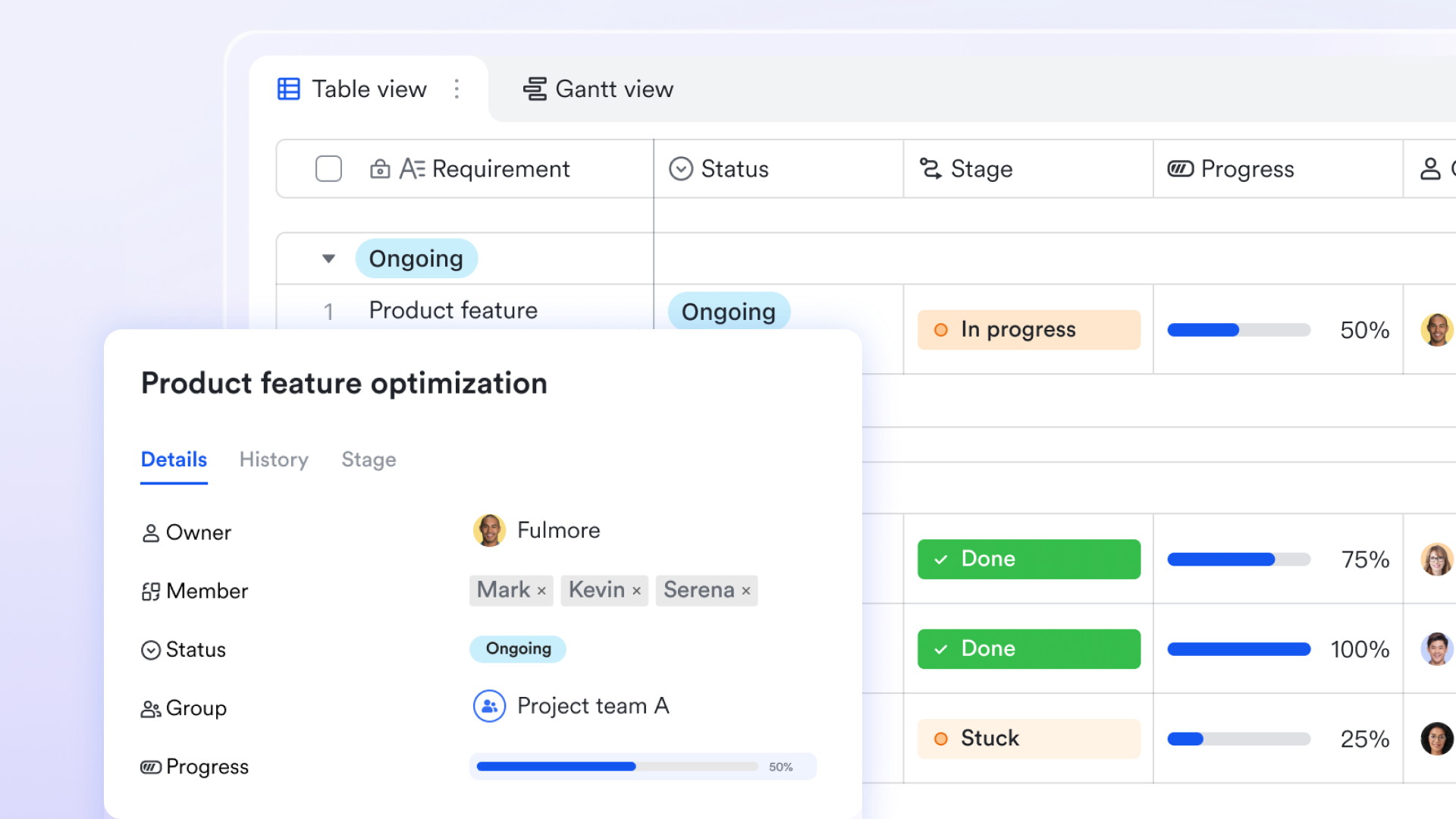
During the crucial initiation and planning phases of the program management life cycle, maintaining a clear, structured overview is paramount. empowers program managers with a dynamic relational database to organize and streamline every aspect of their programs.
Centralize program data: Create a master base table with fields tailored to your specific needs, such as "Strategic Objective," "Current Phase," and "Key Deliverables." This provides a real-time, consolidated view of all initiatives for immediate visibility into progress and resource alignment.
Connect strategy to execution: Link high-level program data directly to individual project details. This ensures strategic goals remain in sight while you monitor granular progress, effectively bridging the gap between the big picture and daily tasks.
Tailor views for stakeholders: Foster transparency across the entire lifecycle by using filtered views. This ensures stakeholders access only the relevant information they need without being overwhelmed, keeping the whole team aligned and focused.
Driving execution and accountability through phases with Lark Tasks
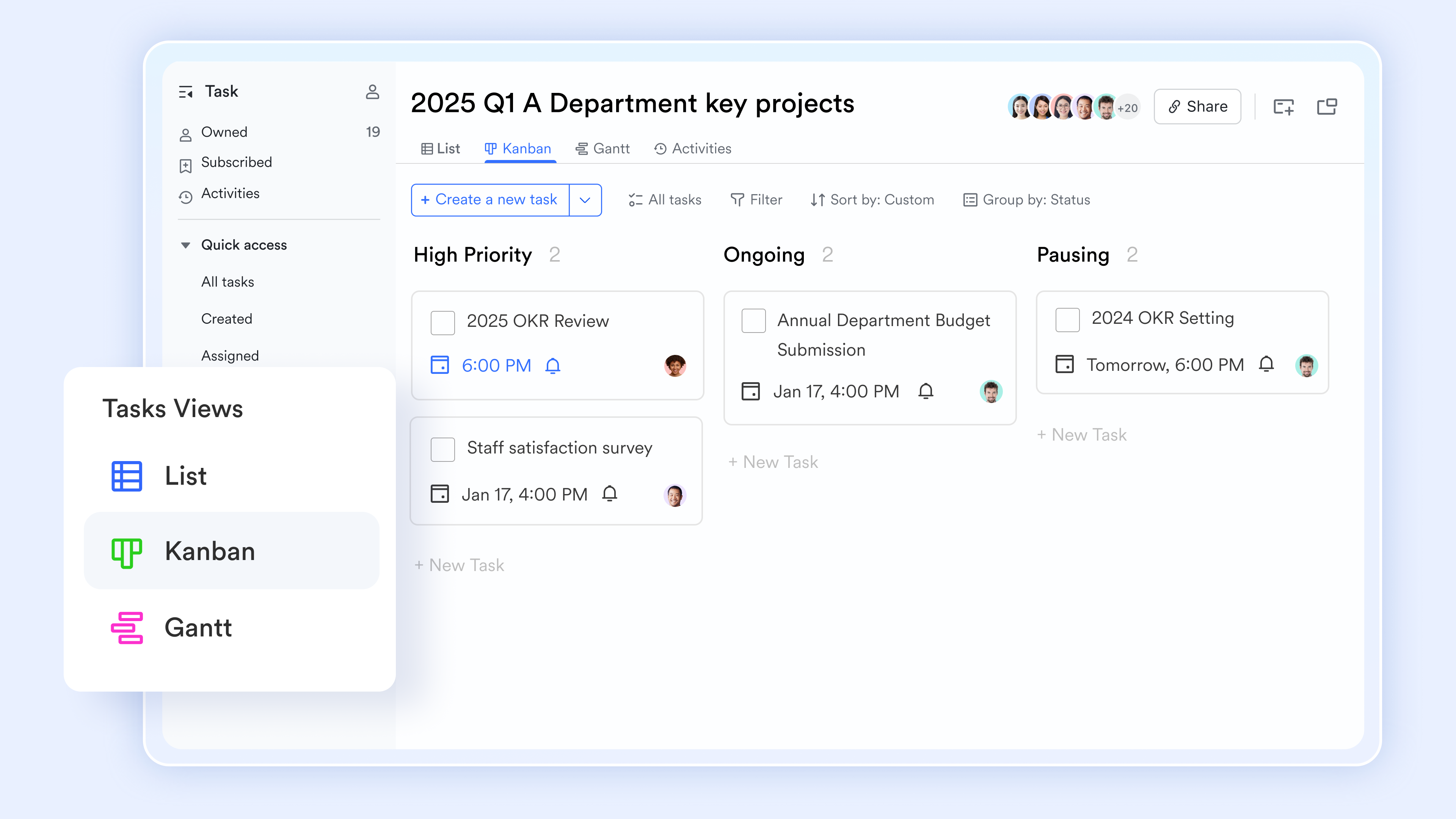
Effective program execution relies heavily on clear task management and accountability throughout the program management life cycle. Lark Tasks brings precision to this phase, ensuring that every deliverable stays on track from deployment to completion: Clarify ownership and deadlines: Create detailed task lists directly linked to program objectives with assigned owners, specific deadlines, and priority levels. This gives program managers an immediate overview of completion rates and highlights potential blockers across all projects.
Orchestrate complex initiatives: Manage multifaceted efforts, such as product launches, by breaking them down into specific subtasks for different departments like marketing, engineering, and support. This ensures every part of the organization moves in sync toward the shared goal.
Streamline execution processes: utilize features like recurring tasks, subtasks, and flexible views (Kanban or list) to monitor progress. These tools help ensure the program moves smoothly through its various stages, contributing significantly to overall management success.
Seamless communication for program alignment with Lark Messenger
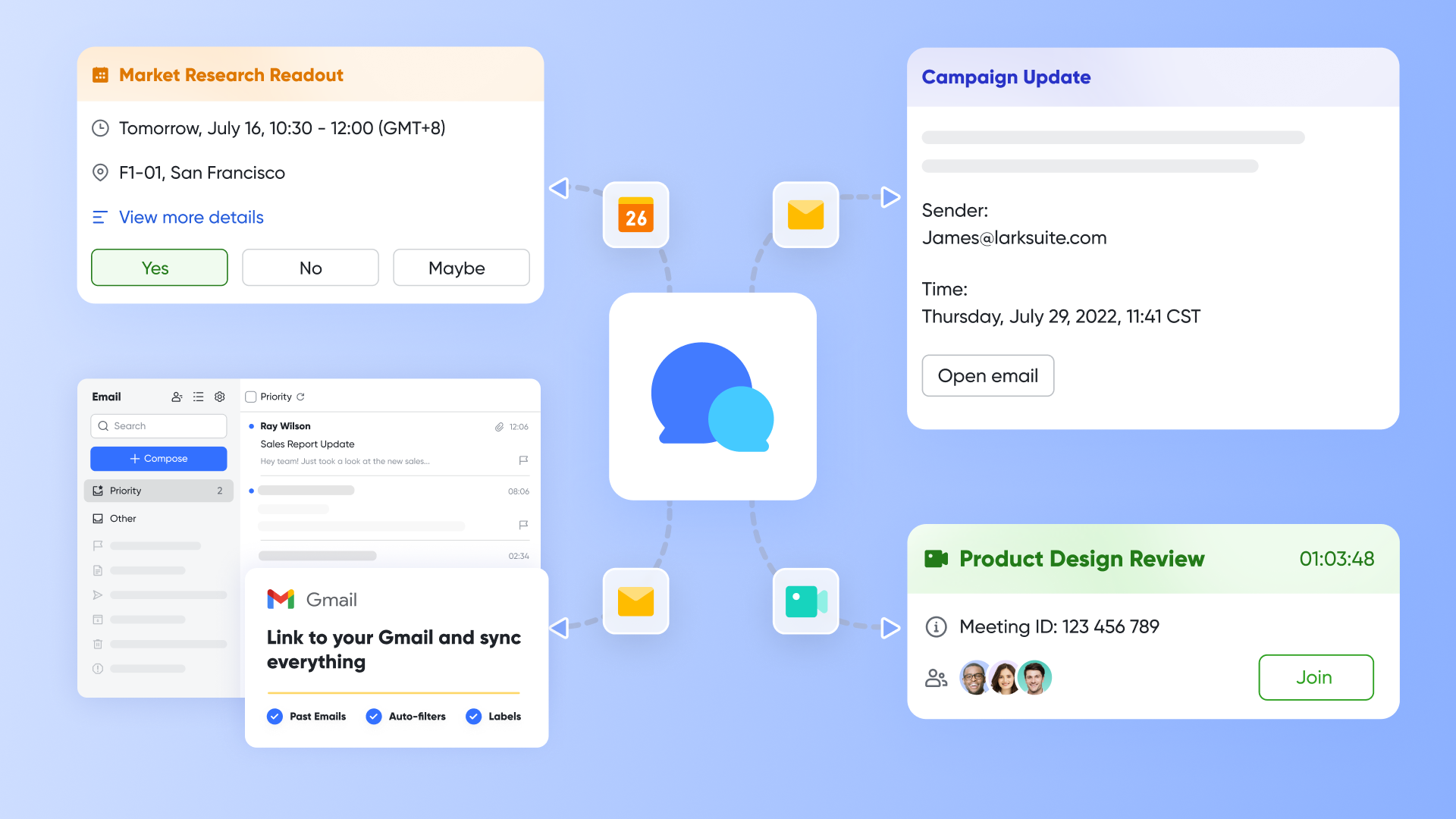
Communication is the cornerstone of successful program life cycle management, particularly when coordinating multiple projects and diverse teams. ensures real-time connectivity, keeping all program stakeholders aligned and responsive throughout every phase:
Establish dedicated program groups: Create a central hub where project managers, team leads, and stakeholders can discuss updates, share critical documents, and tag members for immediate input.
Enable rapid decision-making: Instantly communicate with relevant parties to resolve unexpected issues, such as budget adjustments or schedule changes, preventing bottlenecks and ensuring quick problem resolution.
Maintain focused collaboration: Keep discussions organized using message threads and pinned updates, while integrating task creation directly from messages to ensure the team stays aligned and actionable.
Orchestrating timelines and managing dependencies with Lark Calendar
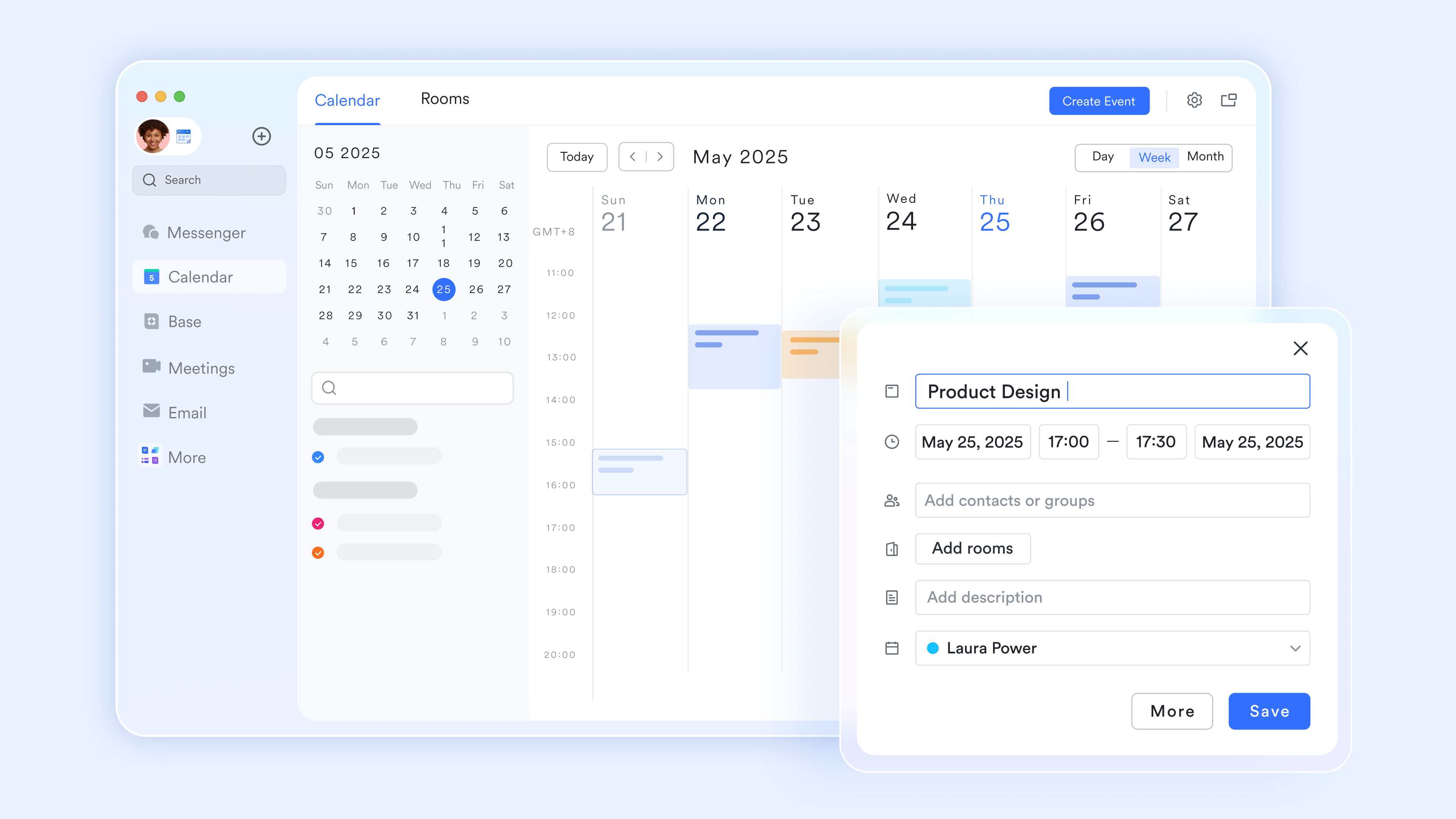
In the intricate world of the PMI program management life cycle, managing timelines and interdependencies is vital for performance and control. provides a centralized view of all program timelines, making it easier to identify overlaps, critical paths, and potential bottlenecks:
Visualize collective timelines: Add —such as kickoffs, major deliverables, and review sessions—to a shared program calendar. This holistic view allows program managers to proactively adjust schedules and prevent issues before they escalate.
Adapt to changes instantly: Ensure that if a key project's deadline shifts, it becomes immediately visible on the shared calendar. This transparency enables dependent teams to adapt their plans accordingly, preventing misalignment across the program.
Coordinate seamlessly: Support continuous monitoring with color-coded project calendars and reminders for dependencies. Embedded links to Tasks or Meetings ensure that every calendar event is actionable and fully integrated into the workflow.
Streamlining decisions and enhancing governance with Lark Approval
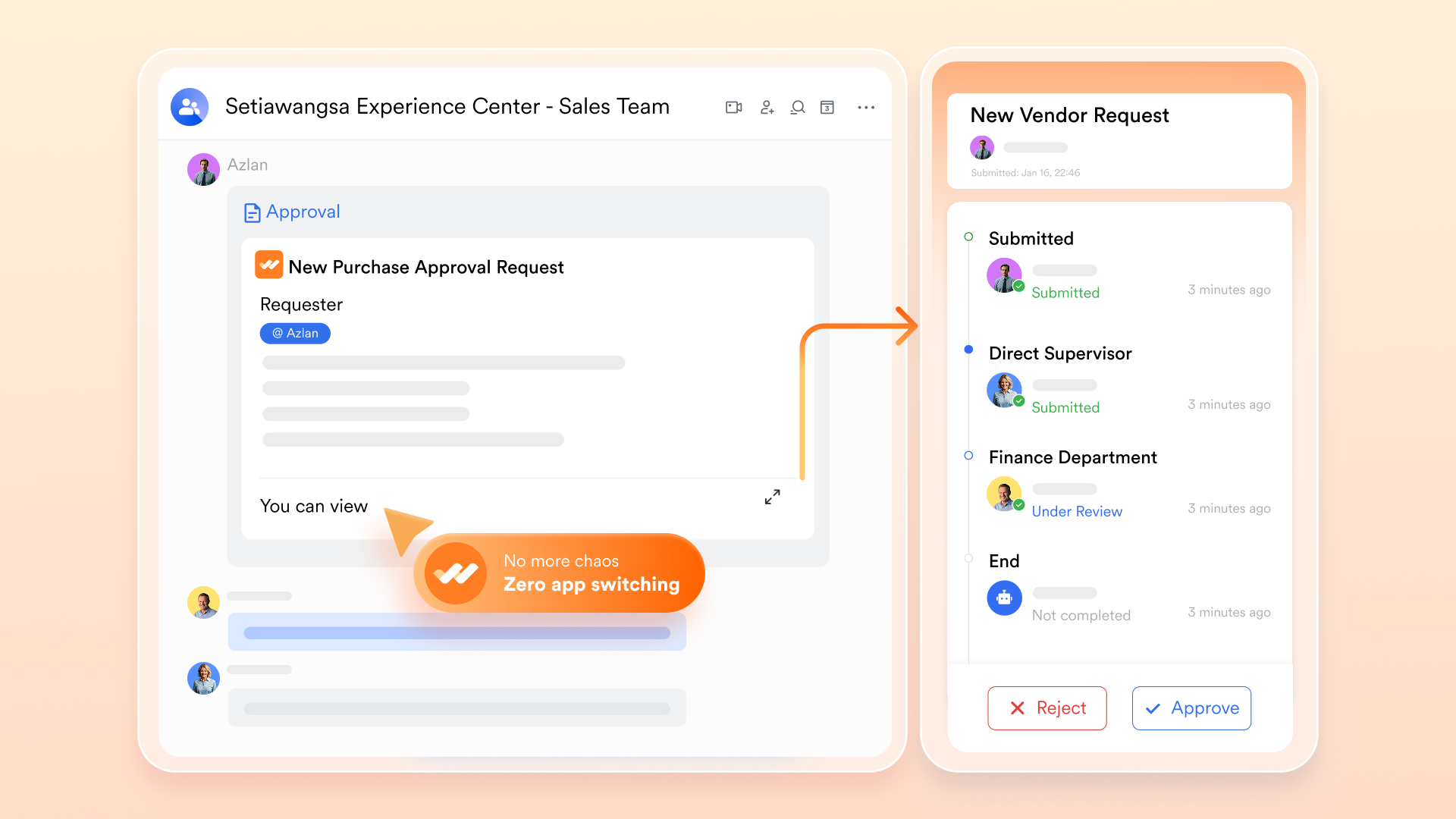
Efficient decision-making and strong governance are critical throughout the program management life cycle. Lark Approval streamlines multi-level approval processes—from budget requests to change controls—ensuring compliance and transparency at every stage: Automate approval flows: Create workflows based on organizational hierarchy to route submissions, such as funding requests, directly to the correct managers or executives. This ensures swift action and maintains clear audit trails for every decision.
Facilitate traceable decisions: Maintain compliance and transparency by tracking every approval step. Whether during program performance, control, or closure, you can easily review the history of decisions to ensure accountability.
Enhance governance controls: Utilize customizable multi-step approval chains and conditional logic to align with robust best practices. This ensures that complex governance requirements are met without slowing down the program's momentum.
Connecting work to strategic outcomes with Lark OKR
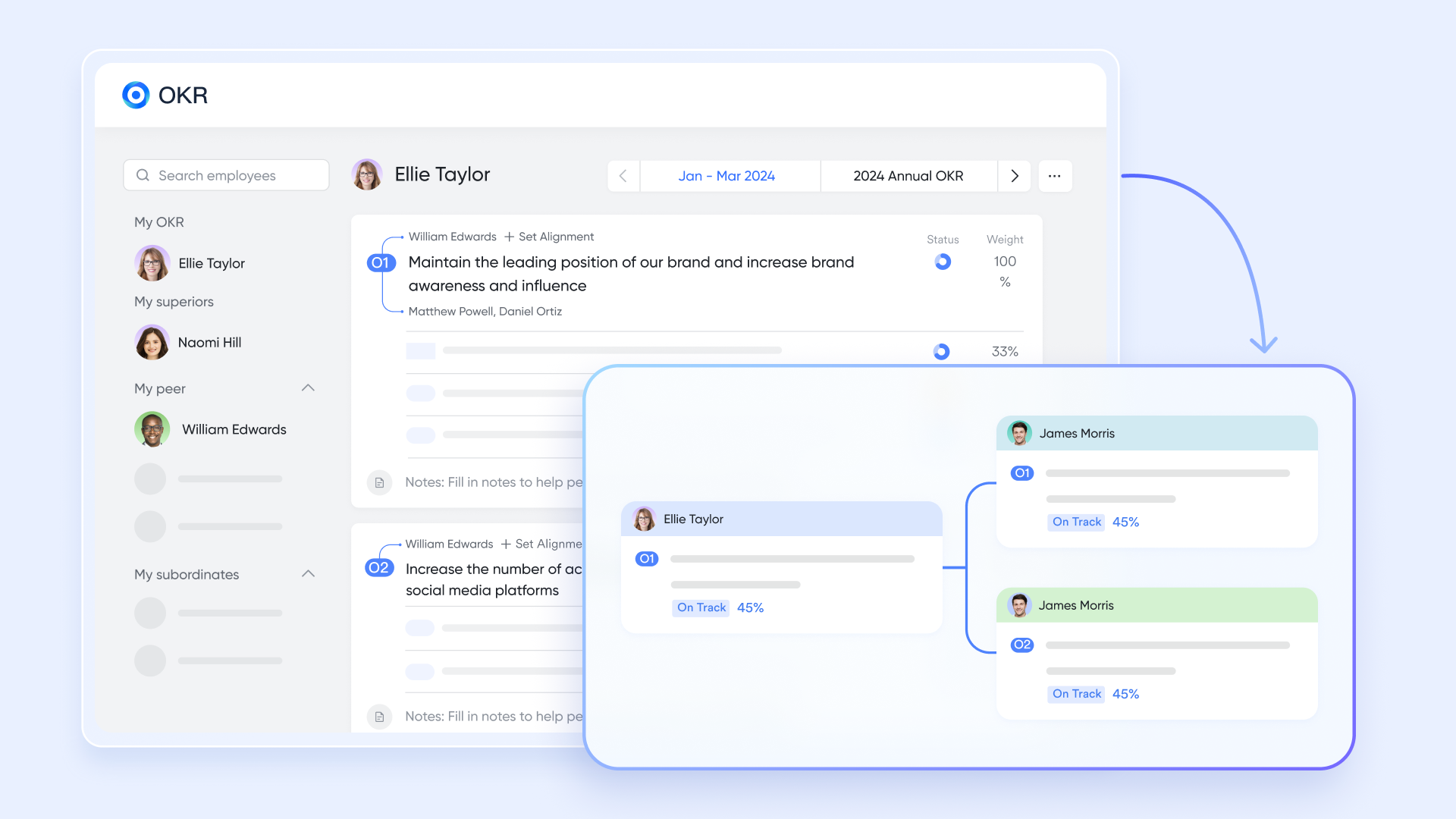
Ensuring that every effort contributes directly to overarching strategic outcomes is a critical aspect of the program management life cycle. bridges the gap between strategy and execution, keeping teams focused on delivering maximum value:
Link to broader objectives: Set OKRs that are explicitly connected to broader program goals. This ensures that individual project efforts are not siloed but are fully aligned with the organization's high-level strategy.
Visualize progress in real time: Automatically roll up progress updates from individual projects to provide a clear view of the program's overall contribution. This allows stakeholders to see how granular activities impact strategic goals instantly.
Centralize strategic alignment: Align diverse projects under one central objective to visualize progress against measurable key results. This ensures every activity within the lifecycle contributes directly to tangible value and keeps the program adaptive.
:
- Starter plan: Free forever plan that includes 11 powerful tools for up to 20 users. It also comes with 100GB of storage, 1000 automation runs, AI translations, and more.
- Pro plan: $12/user/month (billed annually) for up to 500 users. It includes everything in Starter plus group calling for up to 500 attendees, 15TB of storage, 50,000 automation runs, and more.
- Enterprise plan: for custom pricing. Supports unlimited users and includes even more automation runs and advanced security, compliance, and management features.
For small teams with simple communication needs

18 months message history
1000 Base automation runs/month
2000 rows per table in Base
Most POPULAR
For companies with comprehensive collaboration and management needs
Unlimited message history
500-participant video meetings
50k Base automation runs/month
20k rows per table in Base
For large companies with advanced security and organizational management needs
Get a personalized demo and pricing
Unlimited message history
500-participant video meetings
15 TB storage + 30 GB storage/user
500k Base automation runs/month
50k Base automation runs/month
Most POPULAR
For companies with comprehensive collaboration and management needs
Unlimited message history
500-participant video meetings
50k Base automation runs/month
20k rows per table in Base
Examples of program management life cycle
Understanding the program management life cycle is best achieved by examining real-world applications. From large-scale infrastructure projects to intricate software development initiatives, various sectors leverage this structured approach to orchestrate complex endeavors. Here, we'll explore diverse examples that showcase the versatility and importance of adopting a program management life cycle approach.
- Consider a technology company developing a new operating system: This isn't a single project; it's a program encompassing numerous interconnected projects: kernel development, user interface design, application integration, security features, and extensive testing. The program management life cycle would guide this entire effort. The program initiation phase would define the strategic vision for the OS. Program planning would involve breaking down the OS development into individual projects, each with its own project manager, but all reporting to the program manager who ensures seamless integration. Program execution would see thousands of developers working on various components, with the program manager overseeing the coordination, managing dependencies, and ensuring consistent progress. Program performance and control would involve regular reviews, bug tracking, and across all projects. Finally, program closure would entail the successful release of the operating system, post-launch support planning, and a review of the entire development process to glean program management life cycle pmi insights for future products.
- Government agency implementing a nationwide healthcare reform: This program would involve multiple projects such as developing new IT systems, training healthcare professionals, revising policy documents, and communicating changes to the public. Each of these projects would have its own lifecycle, but the overarching program management life cycle would ensure their harmonious integration and alignment with the larger reform objectives. The program initiation would define the strategic goals of the reform. Program planning would involve designing a comprehensive rollout strategy, identifying all necessary projects, and allocating resources across agencies. Program execution would see various government departments and contractors working in parallel, with the program manager resolving conflicts and ensuring coherence. Program performance and control would track the reform's impact, gather public feedback, and adjust strategies as needed. Program closure would mark the full implementation of the reform, with a focus on sustainable long-term benefits and a detailed analysis of the program life cycle management process. These examples highlight how the structured phases of the program management life cycle provide a robust framework for managing complexity and achieving strategic outcomes across diverse industries.
Align teams to effective program management
Why embrace an adaptive program management life cycle?
In an increasingly volatile, uncertain, complex, and ambiguous world, rigid management approaches can quickly become outdated. Embracing an adaptive program management life cycle is essential for sustained success, allowing programs to pivot and re-strategize in response to changing conditions:
- Deliver relevant value: Continuously validate assumptions and incorporate feedback loops throughout the program's duration. This ensures outcomes meet current needs rather than relying on outdated requirements established at the start.
- Foster greater resilience: Respond quickly to unexpected obstacles by re-evaluating approaches and mitigating risks effectively. This flexibility minimizes disruptions and safeguards strategic objectives even when plans encounter unforeseen challenges.
- Promote continuous improvement: Make regular reviews and retrospectives ingrained practices within the team. This culture allows for learning from both successes and failures, refining processes to thrive in uncertainty and maintain impact.
Conclusion
The program management life cycle is not merely a theoretical framework; it's a dynamic blueprint for orchestrating complex initiatives to achieve strategic objectives. From the crucial program initiation and meticulous program planning to the coordinated program execution, vigilant program performance and control, and definitive program closure, each phase plays a pivotal role in ensuring success. Embracing an adaptive program management life cycle further empowers organizations to navigate uncertainty and deliver relevant value in an ever-changing world. Tools like Lark significantly enhance this process, providing a unified platform to manage every aspect of the program life cycle management with unparalleled efficiency and transparency. By adopting these robust approaches and leveraging integrated solutions, organizations can confidently steer their programs towards successful outcomes, continuously driving innovation and strategic growth.
FAQs
What are the 7 steps of program management?
Our discussion highlights key phases that are broadly recognized as crucial steps in program management, though the exact number can vary depending on the framework (e.g., PMI). Based on the program management life cycle explored, these typically include: Initiation, Planning, Execution, Performance and Control, Closure. Additionally, inherent within these are activities like stakeholder engagement and , making it a continuous cycle rather than strictly sequential seven steps. Effectively, these steps ensure strategic alignment, coordinated efforts across projects, and continuous oversight to achieve the program's objectives.
What are the 5 project management life cycles?
The program management life cycle often oversees multiple projects, each with its own lifecycle. While the specific terminology can vary, the common life cycle in project management typically involves five distinct phases: Initiation, Planning, Execution, Monitoring & Controlling, and Closure. These phases guide a project from its conceptualization to its final delivery and formal completion. Understanding these individual project lifecycles is crucial for program managers to effectively coordinate and integrate the efforts of various projects under a larger strategic program.
What are the 4 stages of PLM?
PLM, or Product Lifecycle Management, focuses on the entire lifecycle of a product, from conception through design, manufacture, service, and disposal. While distinct from program life cycle management, its stages are conceptually similar in progression. The four typical stages of PLM are: Conception (or Ideation), Design and Development, Production and Launch, and Service and End-of-Life. This framework ensures that all aspects of a product's journey are managed strategically, optimizing its value throughout its existence.
What are the 4 phases of the project management life cycle?
While some frameworks use five phases, a simplified view often describes the project management life cycle in four key phases: Initiation, Planning, Execution, and Closure. The "Monitoring & Controlling" phase is often integrated throughout the Execution phase or considered an overarching activity rather than a standalone phase. These four phases represent the fundamental stages a project progresses through to achieve its objectives, delivering a specific outcome or product.
Related reading