In today's complex business landscape, organizations are constantly seeking ways to streamline their initiatives and achieve strategic objectives. Program management has emerged as a critical discipline that goes beyond traditional project management, offering a holistic approach to coordinating interconnected projects. As someone who has navigated the intricate world of program management, I've witnessed firsthand how robust program management best practices can transform organizational performance and drive meaningful results.
What is program management and core responsibilities
is a sophisticated and strategic approach to managing a collection of related projects that are coordinated and managed together to achieve a broader organizational goal. This differs significantly from traditional project management, which typically focuses on the execution and completion of individual initiatives in isolation. Program management, instead, adopts a panoramic and holistic view, ensuring that multiple interconnected projects are not only completed efficiently but also collectively align with and contribute to overarching strategic business objectives. This integrated perspective allows organizations to maximize benefits and achieve outcomes that would not be possible if the projects were managed independently.
The core responsibilities of a program manager are multifaceted and demand a blend of leadership, strategic thinking, and operational oversight. These responsibilities include:
- Strategic alignment: Ensuring that every project within the program directly contributes to the organization's overarching goals and strategic vision. This requires a deep understanding of the business landscape and the ability to connect project-level activities to .
- Interdependency management: Identifying, analyzing, and managing complex relationships and dependencies between different projects within the program to prevent bottlenecks, optimize workflows, and ensure seamless integration.
- : Strategically allocating and reallocating resources—including human capital, financial budgets, and technological assets—across various projects within the program to ensure their efficient utilization and to maximize the overall program's success.
- Risk mitigation: Proactively identifying, assessing, and addressing potential challenges, threats, and uncertainties that could impact program success, thereby safeguarding against disruptions and ensuring progress.
- Stakeholder communication: Maintaining transparent, consistent, and impactful communication with all relevant parties—including executive sponsors, project managers, team members, and external stakeholders—to foster collaboration, manage expectations, and ensure that everyone is informed and aligned with the program's objectives and progress.
Start building smarter programs today
The lifecycle of program management
Program management is a sophisticated and structured approach to coordinating multiple interconnected projects toward achieving broader organizational objectives. The lifecycle of program management encompasses distinct yet interrelated phases, each serving specific purposes while maintaining alignment with strategic business goals. Understanding each phase helps organizations implement best practices in program management effectively.
Program initiation phase: Establishing the foundation
The initiation phase marks the beginning of any successful program and requires careful attention to foundational elements. During this critical stage, I focus on developing a clear program vision and charter that outlines the program's purpose, strategic context, and expected outcomes. This involves conducting thorough to identify all parties affected by or involved in the program.
The program's objectives should explicitly align with the organization's overarching business strategy. Creating a compelling program vision statement helps guide all subsequent decisions. This isn't just administrative documentation—it's the north star that keeps diverse teams moving in the same direction. Key stakeholders are engaged early to understand their needs, concerns, and perspectives, ensuring their voices shape the program's direction from the outset.
Program planning phase: Building the roadmap
Once initiation is complete, the planning phase focuses on detailed architecture and resource strategy. I develop a comprehensive that clarifies how interconnected projects fit together. This phase requires creating detailed program roadmaps that define critical milestones, success indicators, and interdependencies between projects.
Strategies are established for allocating resources across multiple programs, considering skill requirements, availability, and program priorities. Building skill matrices for team members helps identify gaps and enables proactive recruitment or training. Program management office best practices guide the creation of flexible allocation mechanisms that allow resources to shift as priorities evolve.
Program execution phase: Coordinating delivery
During execution, the focus shifts to dynamic coordination between projects. This phase involves monitoring project interdependencies, facilitating cross-project communication, and implementing adaptive management strategies. Regular coordination meetings are established, and real-time tracking mechanisms are used to maintain visibility into program progress.
The complexity of becomes apparent during execution, as managing project dependencies is crucial. I work to ensure that when one project's timeline shifts, dependent projects adjust accordingly. Regular performance reviews help identify deviations from planned schedules or budgets, allowing for rapid corrective action. Best practices for program management emphasize proactive communication about these interdependencies.
Program monitoring and control phase: Maintaining trajectory
This phase involves continuous monitoring of program health through comprehensive metrics and risk assessment. I develop sophisticated risk registers that identify potential threats at both individual project and program levels. What appears as minor risk in one project can aggregate into significant program-level risk, requiring constant vigilance.
trend analysis and other early warning mechanisms are implemented to detect schedule slippage before it becomes critical. Regular risk reassessments ensure awareness of emerging threats. This proactive risk management approach, as recommended in vulnerability management program best practices, prevents small issues from cascading into major problems.
Program closure and evaluation phase: Strategic reflection
As programs conclude, the closure phase focuses on comprehensive assessment and knowledge preservation. I conduct thorough program performance reviews, comparing actual outcomes against initial objectives. Documenting lessons learned ensures that organizational knowledge grows from each program experience.
Knowledge-sharing sessions are facilitated among team members and stakeholders, capturing insights that will benefit future programs. Success metrics analysis reveals what worked well and what could improve. Recognizing team achievements celebrates the program's accomplishments while building momentum for future initiatives. This commitment to continuous learning supports the development of stronger program management best practices across the organization.
The interconnected nature of these phases demonstrates why the lifecycle of program management requires systematic attention. Each phase builds on previous work while preparing for subsequent stages, creating a continuous cycle of improvement and learning.
Master your program phases with Lark's PM solution
Best practices for successful program management
Implementing robust program management practices is essential for organizations seeking to align multiple projects with strategic objectives. Based on industry experience and proven methodologies, I've identified comprehensive best practices that transform program management from reactive coordination into strategic value creation.
Establish clear strategic alignment and vision
The most successful programs begin with crystal-clear strategic alignment. Program objectives are explicitly linked to organizational goals, creating a compelling program vision statement that resonates across stakeholder groups. This vision becomes the foundation for all subsequent decisions, helping teams understand not just what they're doing, but why it matters to the organization.
The most successful programs begin with crystal-clear strategic alignment. I work to explicitly link program objectives to organizational goals, creating a compelling program vision statement that resonates across . This vision becomes the foundation for all subsequent decisions, helping teams understand not just what they're doing, but why it matters to the organization.
The program charter serves as the definitive reference for scope, boundaries, and success criteria. I ensure the charter articulates measurable outcomes and clearly identifies potential strategic challenges. This document provides the framework that accommodates organizational changes while maintaining strategic focus.
Implement robust governance and program management office best practices
establish clear decision-making processes and accountability mechanisms. I recommend implementing a that serves as the coordination hub for the program. The PMO should define roles and responsibilities clearly, establish standardized processes, and create transparent reporting structures.
Leadership in program management requires fostering a collaborative culture where transparent communication is paramount. Strong leadership means being adaptable—willing to pivot strategies when circumstances change, while keeping the program aligned with strategic objectives.
Develop advanced risk management capabilities
Sophisticated, dynamic risk registers are developed that capture potential threats at multiple levels. Multi-layered risk identification techniques ensure subtle risks that could aggregate into serious problems are not missed. Scenario-based contingency planning helps the team anticipate multiple possible futures and prepare appropriate responses.
Rather than waiting for risks to materialize, the focus is on prediction and prevention. Flexible response protocols are created, and cross-functional teams are developed to ensure quick responses when issues arise. Balancing risk tolerance with strategic objectives means accepting calculated risks that support program goals while avoiding unnecessary exposure.
Master resource optimization and allocation strategies
Effective resource management requires understanding not just who's available, but what skills and capabilities they bring. Skill mapping is developed, and intelligent workload balancing strategies are created that prevent burnout while maximizing productivity. Flexible resource reallocation mechanisms allow resources to shift toward the highest-priority work as circumstances evolve.
Modern enable data-driven , providing visibility into capacity, utilization, and skill gaps. Implementing advanced program management software that facilitates real-time resource tracking and enables rapid reallocation when priorities shift is recommended. These tools support both tactical execution and strategic planning.
Establish performance management and continuous improvement systems
Key performance indicators are established that provide meaningful insights into program health. Real-time dashboarding enables rapid identification of issues before they become critical. Performance tracking should encompass both output measures (what teams are delivering) and outcome measures (what value those deliverables create for customers).
Creating a culture of continuous improvement means regularly examining what's working and what's not. Retrospective sessions are conducted that encourage honest reflection without blame. Documenting lessons learned and sharing them across the organization ensures that insights from one program benefit future initiatives.
Master stakeholder engagement and communication
Effective communication reaches different stakeholder groups through appropriate channels with tailored messaging. Communication plans are created that keep diverse audiences informed and engaged. Transparent reporting mechanisms build trust by demonstrating that the organization is serious about program accountability.
satisfaction depends partly on expectation management. Regular alignment sessions are conducted to ensure stakeholders understand program status and any changes to timelines or deliverables. Creating feedback loops enables stakeholders to raise concerns early, before they escalate into major issues.
Embrace adaptability and innovation in program execution
Teams are encouraged to experiment with new approaches while maintaining focus on strategic objectives. Creating psychological safety—where team members feel comfortable taking calculated risks and learning from failures—strengthens program resilience. This approach supports both innovation and continuous improvement.
Programs often involve organizational change, requiring integration of with program management. Change management teams are collaborated with to conduct impact assessments, develop readiness plans, and provide adequate support for people navigating transitions. This integrated approach increases adoption and sustainable results.
Implement data-driven decision-making
Rather than relying on intuition alone, data-driven decisions are emphasized. Tracking metrics related to schedule performance, cost management, quality, and stakeholder satisfaction provides an objective basis for program adjustments. Analytics enable rapid identification of trends and early warning of potential problems.
Program success extends beyond on-time, on-budget delivery. Benefit realization—whether the program actually delivers anticipated value to the organization—is measured. Return on investment calculations, customer satisfaction improvements, and strategic objective achievement provide a more complete picture of program success.
By implementing these comprehensive best practices for program management, organizations create robust systems for coordinating complex, multi-project environments. These practices work synergistically to create cultures of excellence, strategic alignment, and continuous improvement that distinguish organizations as program management leaders.
Try those best practices with an easy setup
Meet Lark: Elevate collaboration with a unified platform
In the dynamic world of program management, effective collaboration isn't just a buzzword—it's the engine that drives strategic success. As someone deeply invested in program management best practices, I've seen firsthand how fragmented tools can hinder progress and create unnecessary friction. This is precisely why a unified platform like has become indispensable. It brings every layer of work—from meticulous planning and seamless execution to robust governance and insightful reporting—into a single, connected workspace. Each unified tool in Lark plays a unique role in helping organizations move smoothly from isolated outputs to meaningful outcomes, ensuring unparalleled transparency from the smallest task to the largest strategic initiative.
Lark Base: Structuring your programs with clarity
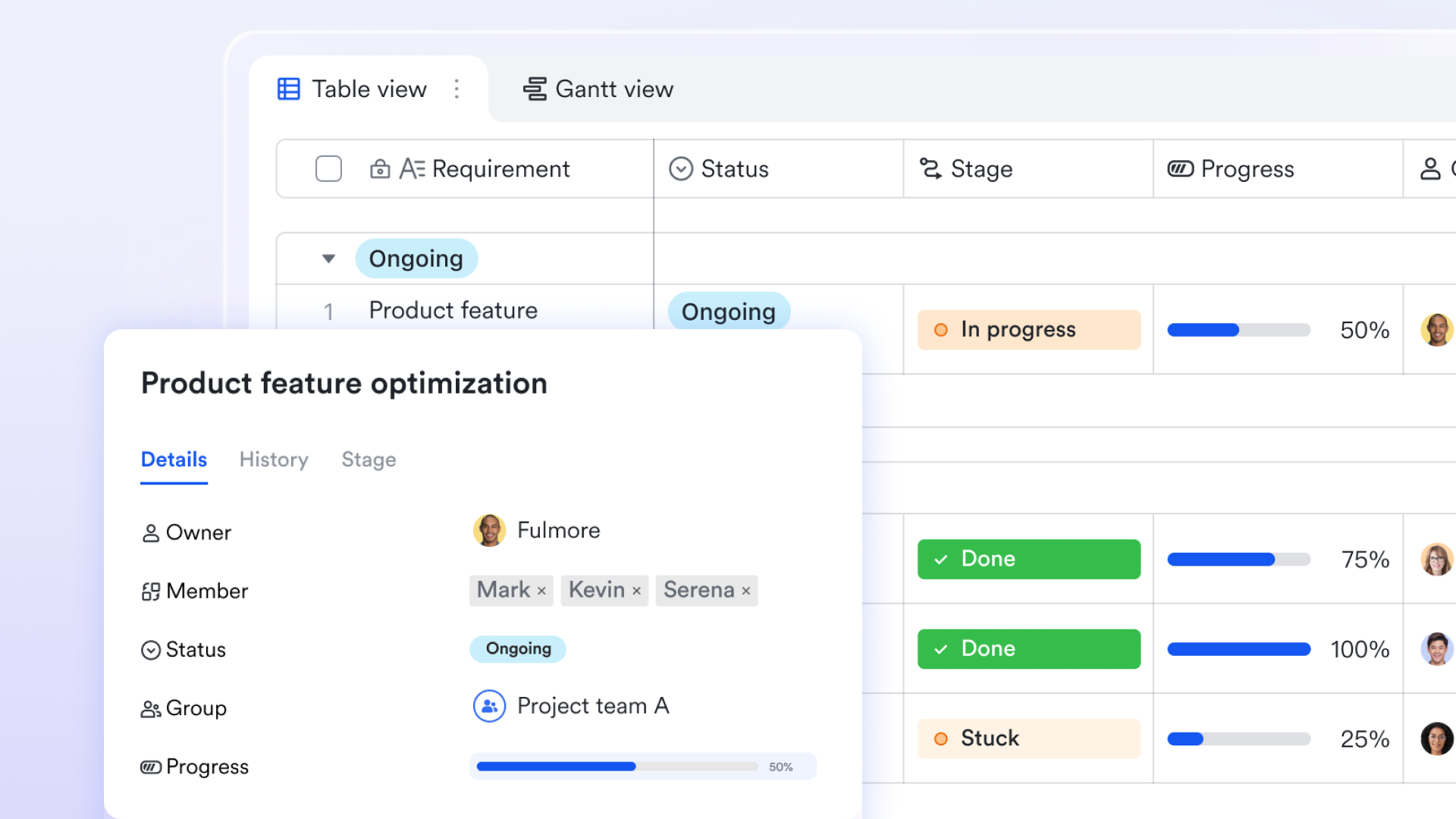
One of the cornerstones of effective program management is having a clear, structured view of all initiatives. allows program managers to organize all their programs in dynamic relational tables that connect crucial data across multiple initiatives. For instance, a program manager can create a Base table with fields like "Program Name," "Owner," "Timeline," "Status," "Budget," and "Linked Strategic Goal." Each program lead can update progress directly, giving program managers a consolidated, real-time view of performance and dependencies. This immediate visibility ensures leadership can monitor progress and resource alignment with unprecedented speed. Furthermore, managers can automate record updates with triggers, link data across tables for comprehensive cross-program visibility, and create filtered views tailored for different stakeholder levels, making it a powerful tool for program management best practices.
Lark Tasks: Driving execution and accountability
Effective execution is where strategic plans turn into tangible results. Lark Tasks brings clarity and accountability to this process, ensuring every deliverable stays on track. Teams can create detailed task lists tied directly to program objectives, assigning clear owners, deadlines, and priority levels. Managers gain an immediate overview of completion rates and potential blockers. For example, a program lead orchestrating a complex launch can create a "Launch Program" task list, assign subtasks for marketing, engineering, and support, and monitor their progress effortlessly. Additional features like recurring tasks and progress tracking through Kanban or list views further streamline the execution phase, contributing significantly to overall program management success. 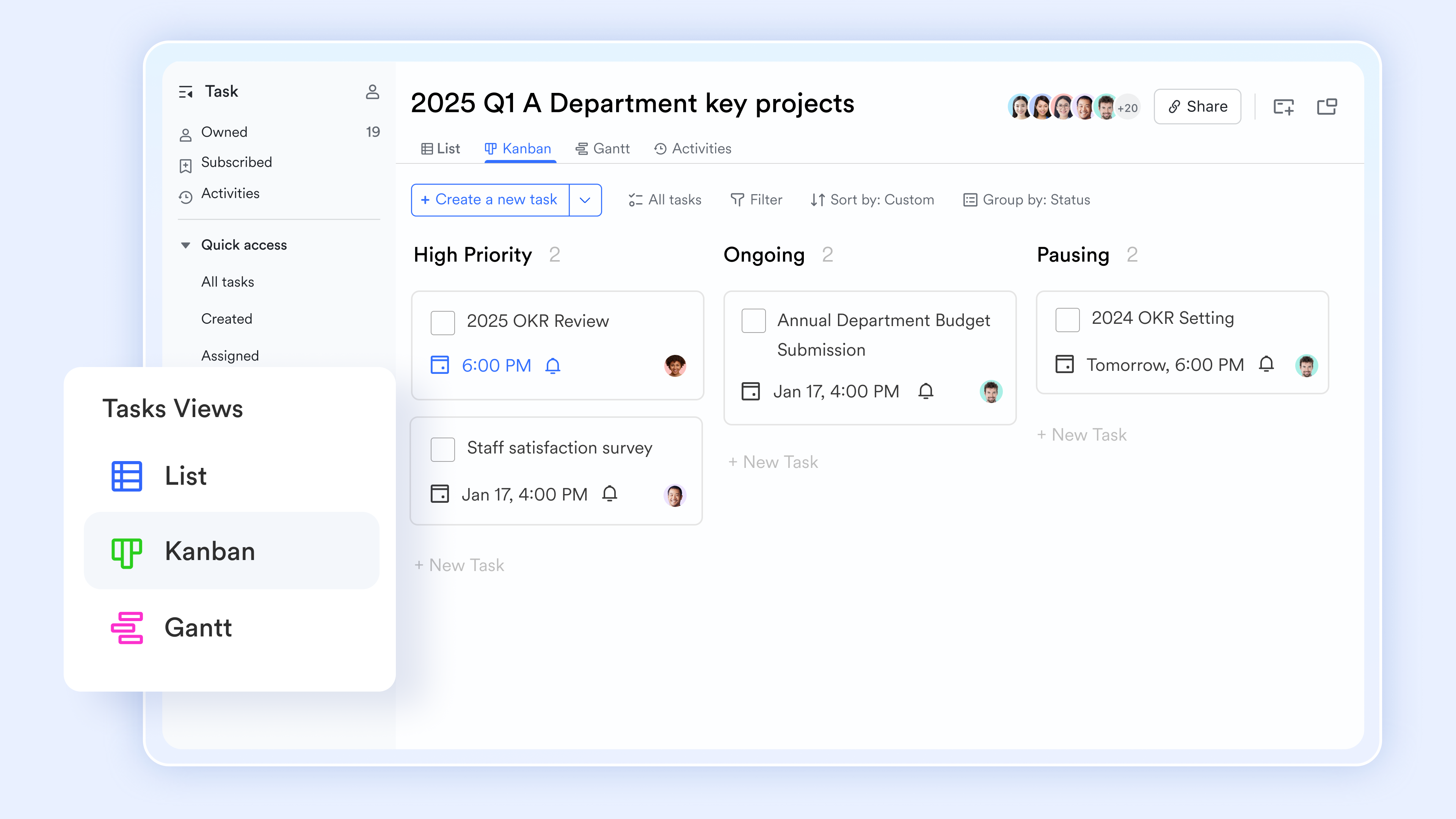
Lark Messenger: Real-time communication for unified teams
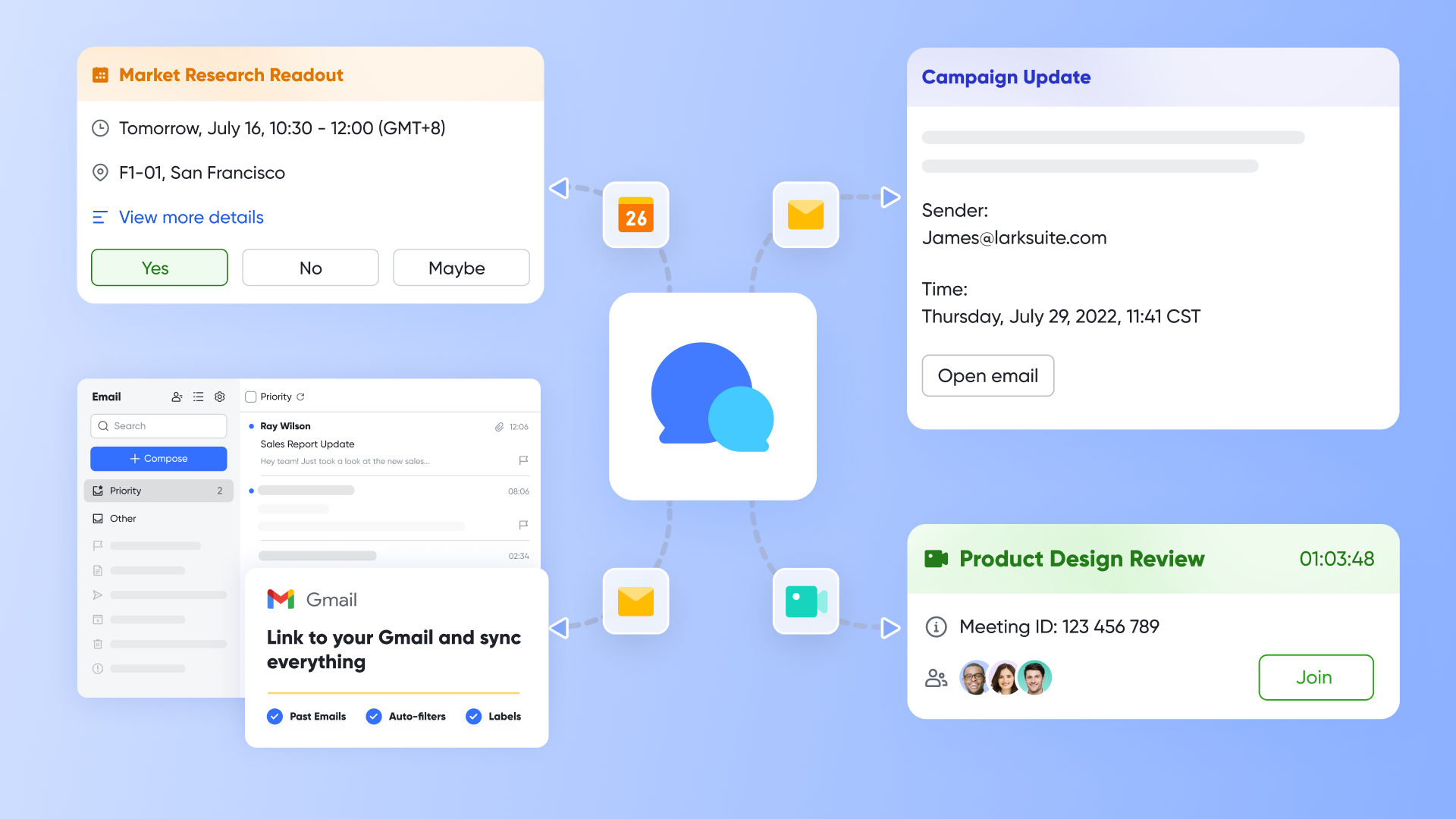
Communication is the lifeblood of any successful program. keeps program teams connected through instant chats, topic-specific groups, and seamless in-message file sharing. A program lead can create a dedicated program group where all project managers can discuss updates, share critical files, and tag team members for quick decisions. When a program encounters an unexpected budget constraint, the program manager can instantly ping the finance head in Messenger, allowing for immediate resolution without waiting for scheduled syncs. Message threads for topic-specific discussions, pinned critical updates, and the ability to integrate task creation directly from messages all contribute to foster a highly responsive and collaborative environment—a key aspect of best practices for program management.
Lark Calendar: Aligning milestones and fostering proactive adjustments
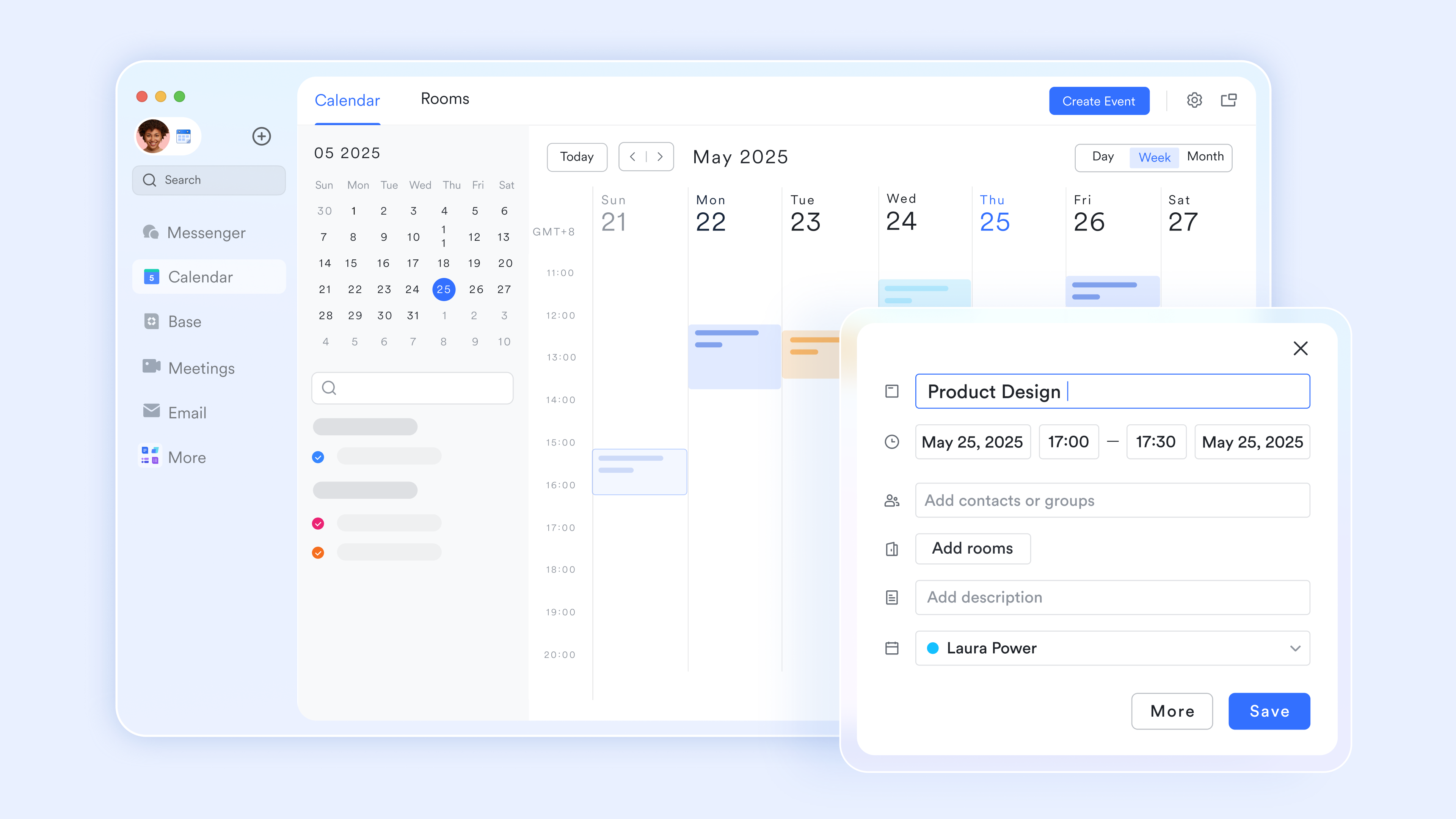
In program management, managing timelines and dependencies across multiple projects is paramount. With , all program timelines can be viewed in one shared space, making it easier to identify overlaps and critical dependencies. Each project can add key milestones—such as kickoffs, major deliverables, and reviews—to a shared program calendar. Program managers can then visualize collective timelines, proactively adjust schedules, and avoid potential bottlenecks. If one project's deadline shifts, it's instantly visible on the program calendar, allowing other teams to adapt without misalignment. Features like color-coded project calendars, reminders for dependencies, and embedded event links to Tasks or Meetings ensure seamless coordination.
Lark Approval: Streamlining decisions and enhancing governance
Decision-making is a constant in program management, and Lark Approval helps streamline multi-level processes. Whether it's budget approvals, change requests, or milestone validations, teams can create automated approval flows based on organizational hierarchy. Submissions automatically route to the right managers or executives for review, ensuring quick, traceable decisions. For instance, when a program requires additional funding, an automated approval flow can trigger notifications for finance and leadership, ensuring swift action and clear audit trails. Customizable multi-step approval chains and conditional logic further enhance governance, aligning with robust program management office best practices. 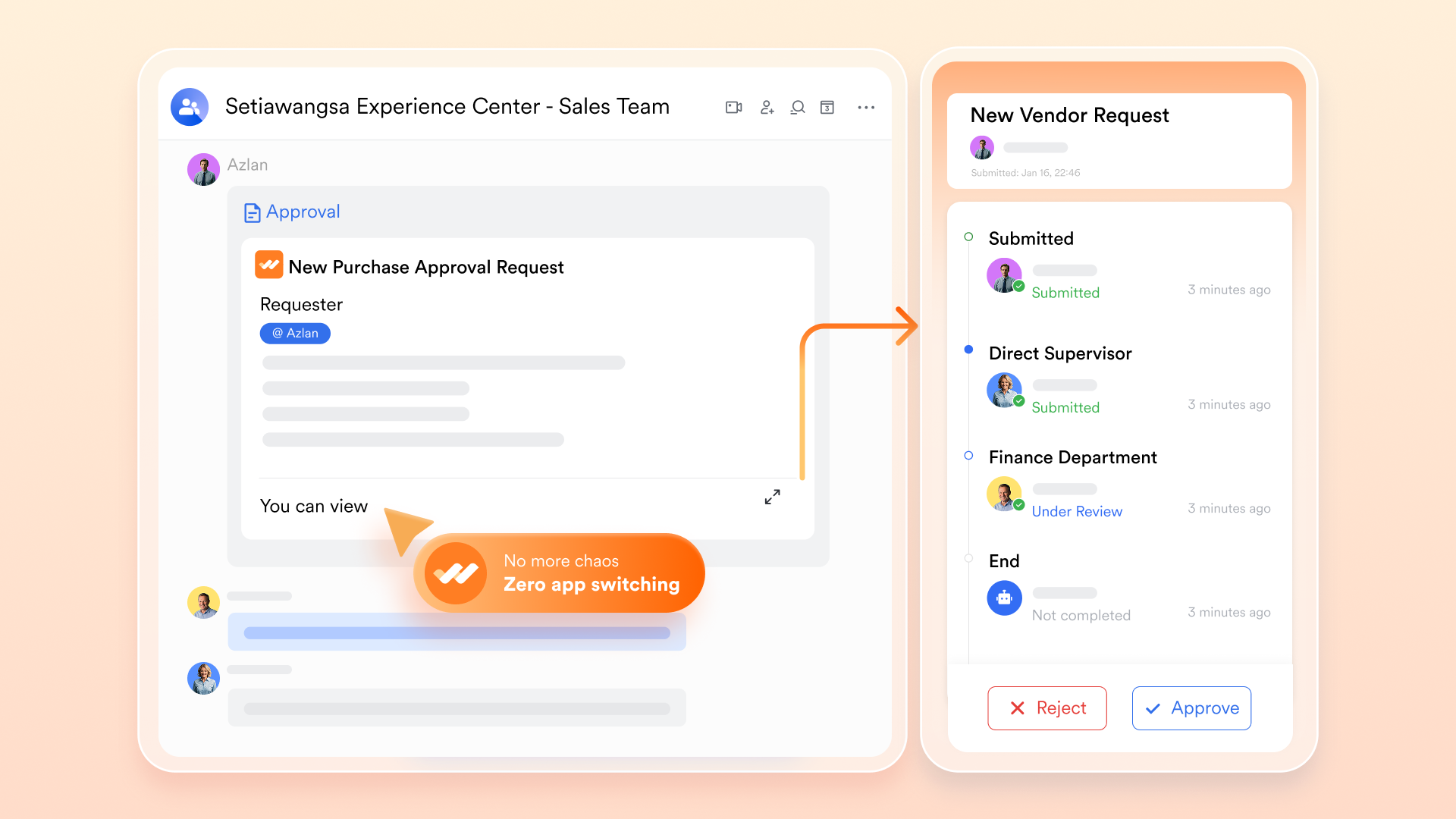
Lark OKR: Connecting work to strategic outcomes
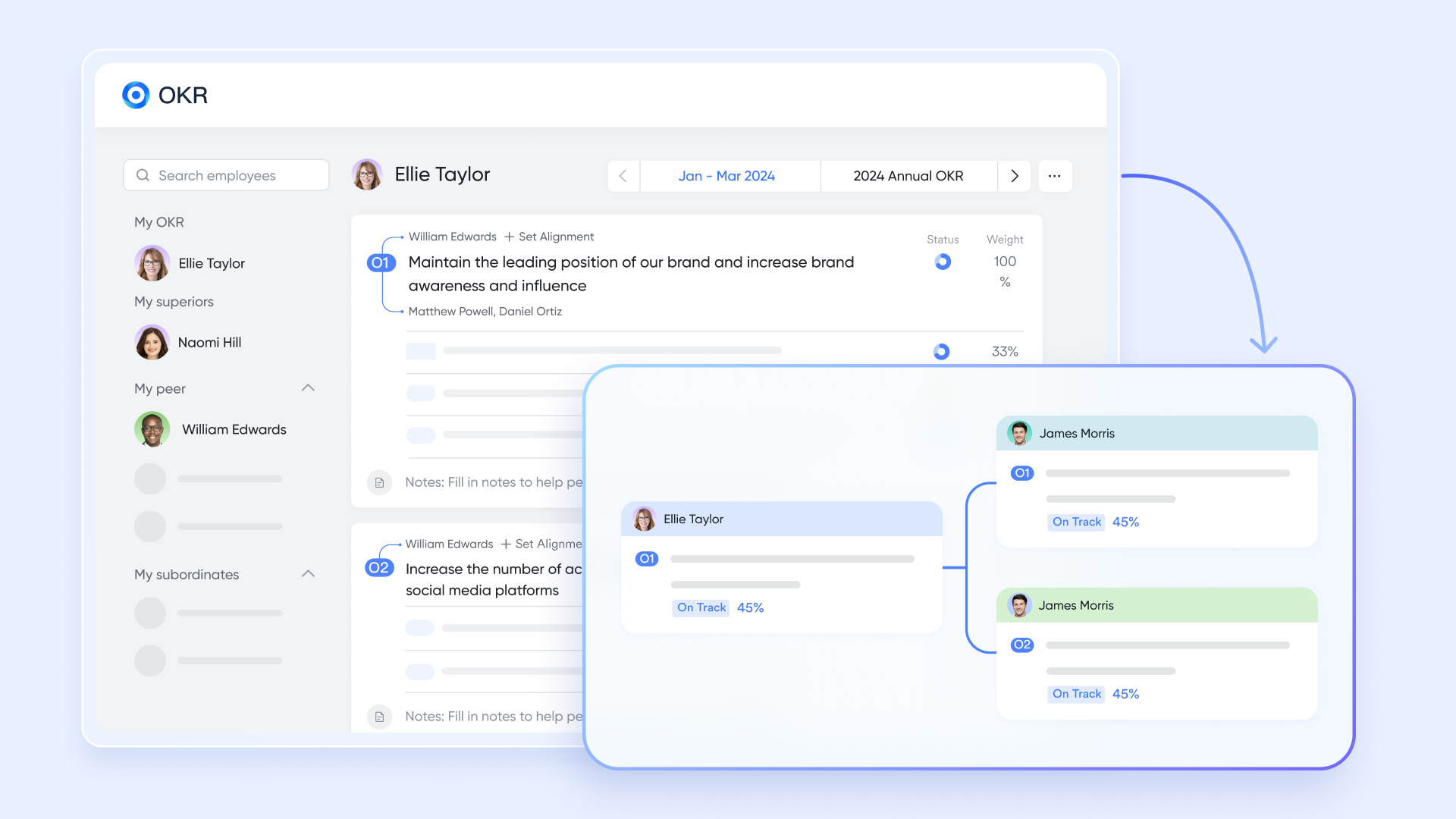
A critical element of program management is ensuring that daily work contributes directly to strategic outcomes. bridges this gap, enabling teams to set OKRs linked to overarching program objectives. As each project updates its progress, the information rolls up to provide a clear view of overall program outcomes. For instance, a complex sustainability program can use Lark OKR to align all related projects—from energy optimization to waste reduction—under one strategic goal, visualizing progress in real time. This ensures that every effort within the program is directly contributing to measurable, high-level objectives.
:
- Starter plan: Free forever plan that includes 11 powerful tools for up to 20 users. It also comes with 100GB of storage, 1000 automation runs, AI translations, and more.
- Pro plan: $12/user/month (billed annually) for up to 500 users. It includes everything in Starter plus group calling for up to 500 attendees, 15TB of storage, 50,000 automation runs, and more.
- Enterprise plan: for custom pricing. Supports unlimited users and includes even more automation runs and advanced security, compliance, and management features.
For small teams with simple communication needs

18 months message history
1000 Base automation runs/month
2000 rows per table in Base
Most POPULAR
For companies with comprehensive collaboration and management needs
Unlimited message history
500-participant video meetings
50k Base automation runs/month
20k rows per table in Base
For large companies with advanced security and organizational management needs
Get a personalized demo and pricing
Unlimited message history
500-participant video meetings
15 TB storage + 30 GB storage/user
500k Base automation runs/month
50k Base automation runs/month
Most POPULAR
For companies with comprehensive collaboration and management needs
Unlimited message history
500-participant video meetings
50k Base automation runs/month
20k rows per table in Base
Common challenges and how to overcome them
Even with the most robust program management best practices in place, challenges are an inevitable part of the journey. I've encountered numerous hurdles throughout my experience, and understanding them is the first step toward effective mitigation. Here are some common challenges and practical strategies I employ to overcome them.
Managing scope creep and evolving requirements
One of the most persistent challenges is . Initial program definitions can evolve, often leading to additional features or changes that weren't originally planned. Without careful management, this can derail timelines and budgets.
My solution: I implement a strict change control process. This means every proposed change goes through a formal review, assessing its impact on scope, schedule, and resources. I use a unified platform to document all change requests, approvals, and decisions, ensuring transparency. Regular alignment meetings with stakeholders are crucial to reiterate the core program vision and manage expectations around what is, and isn't, included in the current iteration. This helps maintain focus on the best practices for program management and prevent distractions.
Dealing with resource constraints and conflicts
Resource limitations, whether in terms of personnel, budget, or specialized skills, frequently pose a significant challenge. Conflicts can arise when multiple projects within a program vie for the same limited resources.
My solution: I prioritize proactive and optimization. This involves a clear understanding of each project's critical path and resource requirements. Using tools that offer a consolidated view of resource allocation across the entire program allows me to identify potential bottlenecks early. I facilitate regular resource reviews with program managers to negotiate and reallocate resources as needed, ensuring that the most critical tasks are always adequately staffed. For specialized skills, I often explore cross-training or external vendor partnerships, aligning with vendor management program best practices.
Ensuring effective stakeholder communication and alignment
Maintaining consistent and effective communication with —each with their own interests and priorities—can be incredibly demanding. Misalignment or lack of transparency can lead to resistance, delays, and even program failure.
My solution: I develop a comprehensive communication plan tailored to different stakeholder groups, outlining what information they need, when, and through what channels. This plan ensures that executives receive high-level progress reports, while delivery teams get the granular details necessary for their work. I leverage the unified platform's communication tools to create dedicated channels for specific topics and promote open dialogue. Regular, structured update meetings, coupled with accessible documentation, help keep everyone informed and aligned, fostering a collaborative environment vital for successful program management.
Mitigating risks and unforeseen issues
Programs inherently carry risks, from technical complexities to market shifts. Unforeseen issues can emerge suddenly, threatening program progress and outcomes.
My solution: My approach to is continuous and proactive. I establish a living risk register that is regularly reviewed and updated by the program team. This isn't a static document; it's a dynamic tool for identifying, assessing, and planning responses to potential threats. I encourage scenario planning and develop contingency plans for high-impact risks. A robust vulnerability management program best practices philosophy ensures that we are constantly scanning for potential weaknesses and addressing them before they escalate. By fostering an environment where team members feel comfortable raising concerns early, we can address issues before they become crises.
Fostering collaboration across disparate teams
In large programs, teams might be geographically dispersed or operate with different methodologies, making a significant hurdle. Silos can form, leading to duplicated efforts and communication breakdowns.
My solution: I champion a culture of shared ownership and leverage the unified platform as a central hub for all program activities. This means encouraging teams to use shared documents, common task management systems, and centralized communication channels. I organize cross-functional workshops and events that bring teams together to solve problems and share knowledge. By breaking down technological and organizational barriers, I aim to create a cohesive program environment where collaboration is intuitive and seamless, significantly enhancing overall program management effectiveness.
Align teams to effective program management
Conclusion
Program management is a transformative discipline, enabling organizations to navigate complexity and achieve strategic goals with greater certainty. By embracing comprehensive best practices for program management and leveraging unified platforms such as Lark, organizations can overcome common challenges, foster robust collaboration, and consistently deliver impactful outcomes that truly move the needle. This approach goes beyond mere task completion, focusing instead on strategic alignment, efficient resource utilization, and proactive risk mitigation across the entire program lifecycle. The journey towards program management excellence is continuous, requiring adaptability and a commitment to perpetual improvement. However, with the right strategic approach, supported by integrated tools and a culture of continuous learning, success is not merely a possibility—it becomes a reliable expectation for achieving sustainable organizational growth and competitive advantage.
FAQs
What are the 5 C's of project management?
The 5 C's of project management are: Complexity, assessing the intricacy of tasks and interdependencies; Criticality, understanding project importance and the impact of failure; Compliance, adhering to regulations and standards; Culture, considering organizational values and team dynamics; and Compassion, leading with empathy and focusing on the human element.
What are the top 3 skills of a program manager?
The top 3 skills of a program manager are: Strategic Thinking, which involves aligning projects with business goals; , focused on building consensus and managing expectations across diverse groups; and Risk Management, which entails proactively identifying, assessing, and mitigating large-scale program risks.
What are the three pillars of program management?
The three pillars of program management are commonly interpreted as: The Triple Constraint, encompassing Scope, Time, Cost (and Quality); and Communication, Coordination, and Collaboration, which are essential for team alignment.
What is the rule of 7 in project management?
The Rule of 7 in project management has two common interpretations: The 7 Cs of Communication, which include Clarity, Correctness, Completeness, Conciseness, Courtesy, Consideration, and Concreteness; and the 7 Elements for Project Success identified by PMI, which are Customers, Competitors, Capabilities, Cost, Channels, Communication, and Coordination.
Related reading