Organizations face the challenge of choosing the right projects that align with their strategic goals. Project portfolio management (PPM) serves as an essential methodology that enables companies to select and prioritize projects effectively. This article explores the myriad project portfolio management benefits, underscoring its importance in enhancing decision-making, resource allocation, and overall efficiency.
Understanding project portfolio management
(PPM) is a strategic approach that organizations use to manage their projects in a way that aligns with their overall business goals. By effectively selecting, prioritizing, and managing a collection of projects, companies can ensure that the initiatives they undertake provide the best return on investment and support their strategic objectives.
PPM differs significantly from traditional project management, which often focuses more on the and delivery of individual projects rather than the overarching goals of the organization. In traditional project management, success is typically measured by the completion of a project on time and within budget. However, PPM takes a broader perspective, emphasizing how each project fits into the larger portfolio and contributes to the organization's success.
One of the key aspects of PPM is the importance of aligning projects with business strategy. When projects are in sync with strategic objectives, organizations are better positioned to maximize value and make informed decisions. This alignment allows for effective resource allocation, improved risk management, and enhanced organizational agility, ultimately leading to better outcomes.
Manage project portfolios in one hub
The core benefits of project portfolio management
Aligning projects with strategic business goals
Aligning projects with strategic business goals is crucial for optimizing performance and maximizing the benefits of . When organizations ensure their projects contribute to their strategic vision, they can achieve greater success.
Strategic alignment helps teams focus on what truly matters. Tools such as balanced scorecards and project alignment matrices can facilitate this process by mapping projects to specific . This creates a clear picture of how each project contributes to the overall mission.
For example, organizations that effectively align their projects with strategic goals often experience improved resource utilization and reduced project overlap, which can lead to significant cost savings. By ensuring projects are prioritized based on their alignment with company objectives, businesses can make more informed decisions about where to invest their time, personnel, and finances.
Improved decision-making processes
One of the primary benefits of project portfolio management is the enhancement of decision-making processes. PPM provides with improved data visibility, which is crucial for informed decision-making. When decision-makers have access to real-time data and comprehensive reports, they can evaluate project performance more effectively.
For instance, organizations that adopt project portfolio management are better equipped to identify trends and make adjustments to their strategies based on ongoing performance metrics. This agile approach allows them to adapt to changes in market conditions and organizational priorities with confidence.
The benefits of using project portfolio management extend beyond immediate decision-making. By fostering a culture of data-driven assessments, organizations can enhance their overall effectiveness in managing projects. This ultimately leads to smoother operations and more successful outcomes.
Enhanced resource management and utilization
Effective and utilization are critical components of successful project portfolio management. Organizations that utilize PPM principles can allocate resources more strategically, minimizing waste and optimizing productivity.
Implementing strategies for effective resource allocation can lead to more balanced workloads across project portfolios. This not only prevents employee burnout but also ensures that all projects receive the attention they need to thrive. Organizations can use software tools to track resource allocation and demand, enabling them to make real-time adjustments as necessary.
Common resource management challenges, such as overcommitment or resource shortages, can be mitigated through proactive management. By adopting , organizations can enhance their resource efficiencies, leading to better project outcomes.
Increased project success rate
One of the most compelling benefits of project portfolio management is the potential for increased rates. Research shows that organizations employing PPM are more likely to achieve project goals and objectives than those relying on traditional project management methods.
Several factors contribute to higher success rates within a project portfolio management framework. For instance, when projects are aligned with business strategy, they tend to secure more commitment from stakeholders and better resource availability. Additionally, PPM practices often include regular assessment of project performance, allowing teams to identify and address issues early on.
By integrating strategies within the PPM process, organizations can proactively mitigate potential challenges. This foresight leads to more consistent project success, reinforcing the value of adopting a PPM approach.
Cost efficiency and budget management
Another significant benefit of project portfolio management is its contribution to . By prioritizing projects that align with strategic goals, organizations can enjoy substantial savings and enhanced financial performance.
The analysis of cost savings associated with PPM often reveals that organizations can control budgets more effectively. By maintaining a clear picture of project priorities and resource utilization, businesses can make informed decisions that keep their budgets in check.
Effective project portfolio management enables tighter financial controls, ensuring that resources are allocated appropriately and that projects do not lead to unnecessary expenditures. This diligent management contributes to overall organizational health and sustainability.
Facilitating better communication and collaboration
Effective communication and collaboration are essential for successful project portfolio management. For a solo consultant, a can handle routine project updates and follow-ups while the consultant stays focused on client work. PPM fosters an environment where cross-departmental cooperation can flourish, enabling teams to work together more effectively on projects.
Tools and strategies that improve team communication, such as collaborative platforms and regular progress meetings, enhance transparency while keeping everyone on the same page. This synergy not only accelerates times but also fosters a sense of ownership among team members, leading to more innovative solutions.
Real-life examples of enhanced collaboration demonstrate how organizations that embrace project portfolio management can break down silos and create a more agile environment. This collaboration ultimately drives the movement towards achieving business objectives more effectively.
Enjoy those benefits with a smart tool
Insights on implementing a project portfolio management solution
Implementing a Project Portfolio Management (PPM) solution is a transformative endeavor that requires careful . To ensure a successful implementation and maximize its benefits, consider the following key insights:
- Define strategic objectives and secure buy-in: Before implementation, it is crucial to clearly define what your organization aims to achieve with PPM, such as improving project success rates, optimizing resource allocation, enhancing strategic alignment, or reducing costs. Concurrently, securing buy-in from key stakeholders across all organizational levels is paramount. Effectively communicate the value proposition of PPM and how it addresses their pain points.
- Select the right and implement them in phases: Choose PPM software that genuinely aligns with your organization's specific needs, existing infrastructure, and long-term strategic goals. When selecting tools, consider factors such as scalability, integration capabilities, and user-friendliness. It is advisable to adopt a phased implementation approach rather than a "big bang" rollout. This allows for testing, adjustments, and gradual adoption, minimizing disruption to operations.
- Emphasize change management and comprehensive training: Do not underestimate the importance of thorough training for all users. Provide clear, accessible training materials and ongoing support to ensure user proficiency and active adoption of the PPM solution. Proactively and effectively communicate changes associated with PPM implementation, explaining the "why" behind the changes and how they will benefit individuals and the organization as a whole. Actively involve stakeholders at all levels throughout the process; this fosters a sense of ownership, builds understanding, and garners support for new processes.
- Ensure continuous evaluation and optimization: Establish a mechanism for regular reviews of the project portfolio to ensure that initiatives remain aligned with evolving business objectives and continue to deliver value. Define Key Performance Indicators (KPIs) to measure the effectiveness of your PPM solution, utilizing these metrics to identify areas for improvement and demonstrate return on investment. PPM is not a one-time setup; it is an ongoing process. Be prepared to continuously evaluate, refine, and adjust your PPM processes and tools based on feedback and changing organizational needs.
Lark as a solution for project portfolio management
At , we believe in transforming the way teams manage their projects and portfolios. Our platform simplifies project portfolio management by communication, , resource allocation, and analytics into a single, cohesive workspace. Whether you are drafting a project proposal, updating reports, or monitoring performance metrics, Lark facilitates seamless real-time collaboration across all devices. It's more than just another tool—Lark creates a unified environment where strategy, execution, and communication come together effortlessly.
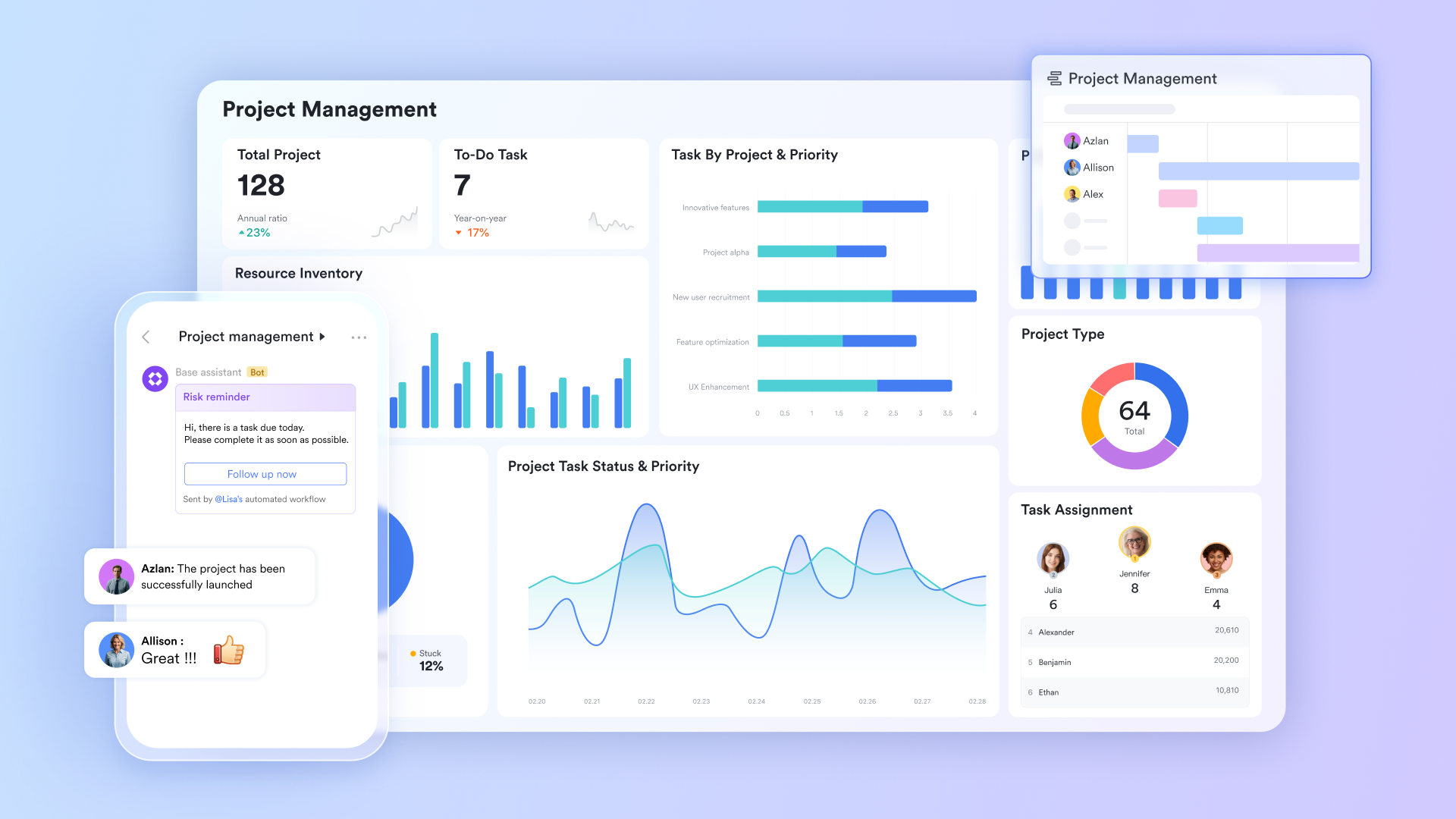
Visualizing project landscapes with Lark Base and Lark Tasks
and Lark Tasks play pivotal roles in effective project portfolio management. Lark Base allows teams to visualize their project landscape through flexible views, such as Kanban, Gantt, or Table views. This dynamic overview helps teams track ongoing projects by filtering and organizing them based on priorities, deadlines, and statuses. For instance, a consultancy juggling multiple projects can quickly identify task dependencies and resource usage, ensuring that they can address delays promptly. By centralizing all project data, teams make swift, informed decisions that align everyday tasks with broader strategic goals. 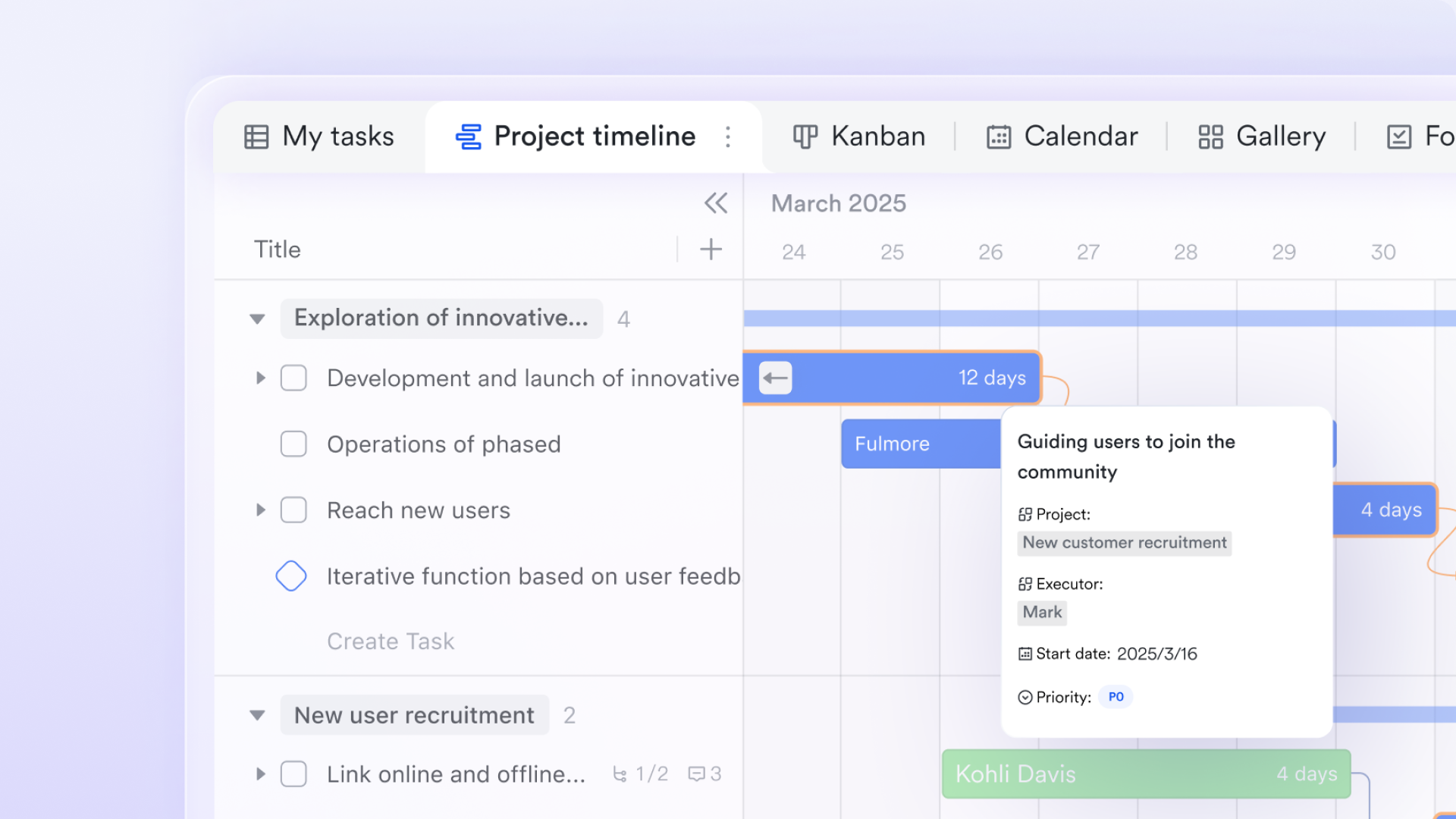
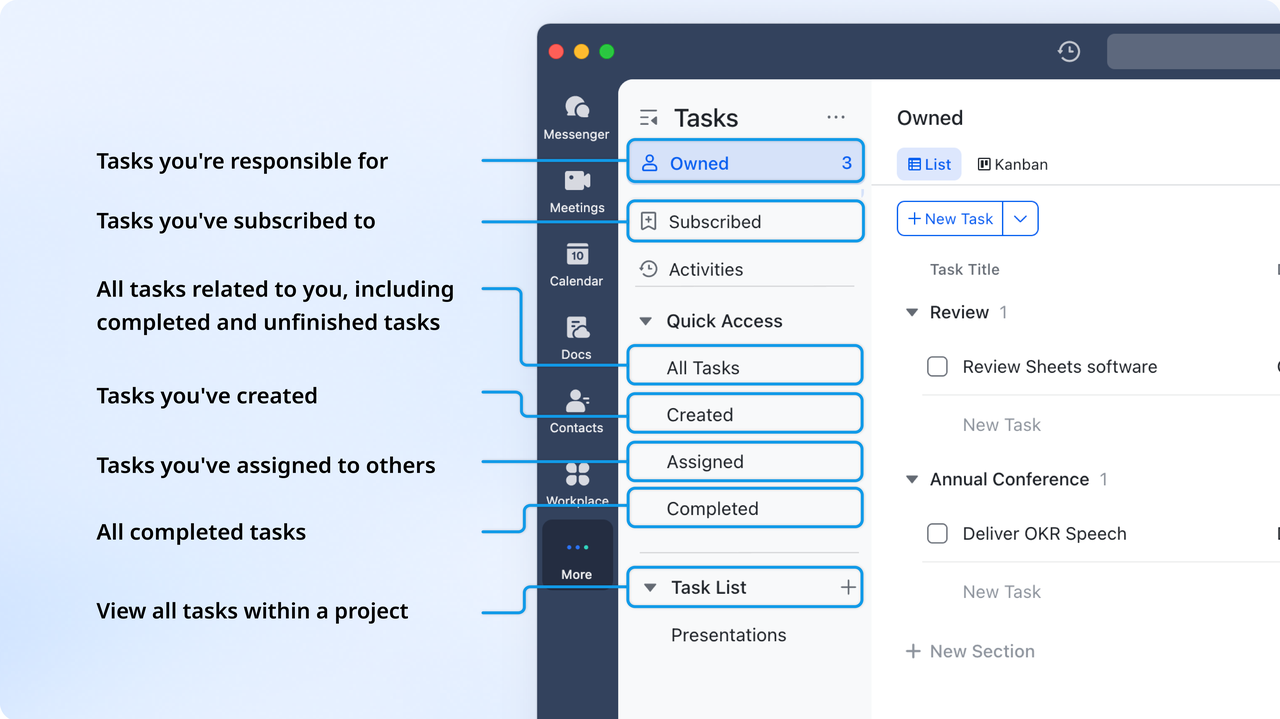
Lark Tasks enables teams to break down larger projects into manageable tasks and milestones. Each task can have specific deadlines and assigned owners, enhancing transparency and ensuring every deliverable progresses on schedule as planned.
Enhancing collaboration through documentation and approvals
Lark's documentation features, including & , facilitate the drafting, sharing, and collaboration on project strategies and roadmaps. Teams can link documents directly to related tasks or Lark Base records, allowing for a smooth transition from planning to execution without losing critical context. The real-time co-editing and inline commenting capabilities encourage collaboration, ensuring that everyone is on the same page with the most updated information. For example, if a is drafted in Lark Docs, it can be easily linked to specific tasks, ensuring that every objective is consistently aligned with the active portfolio. 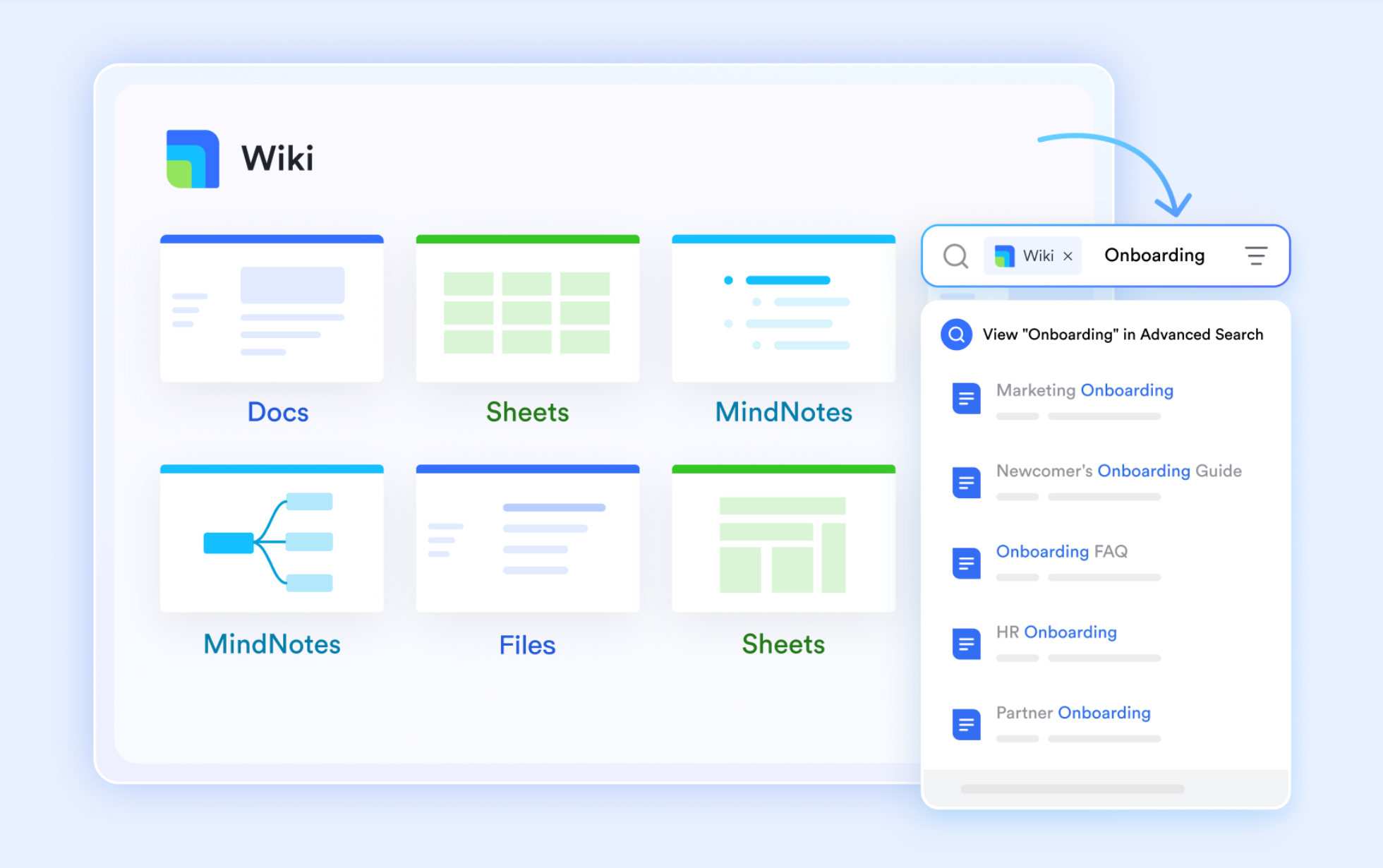
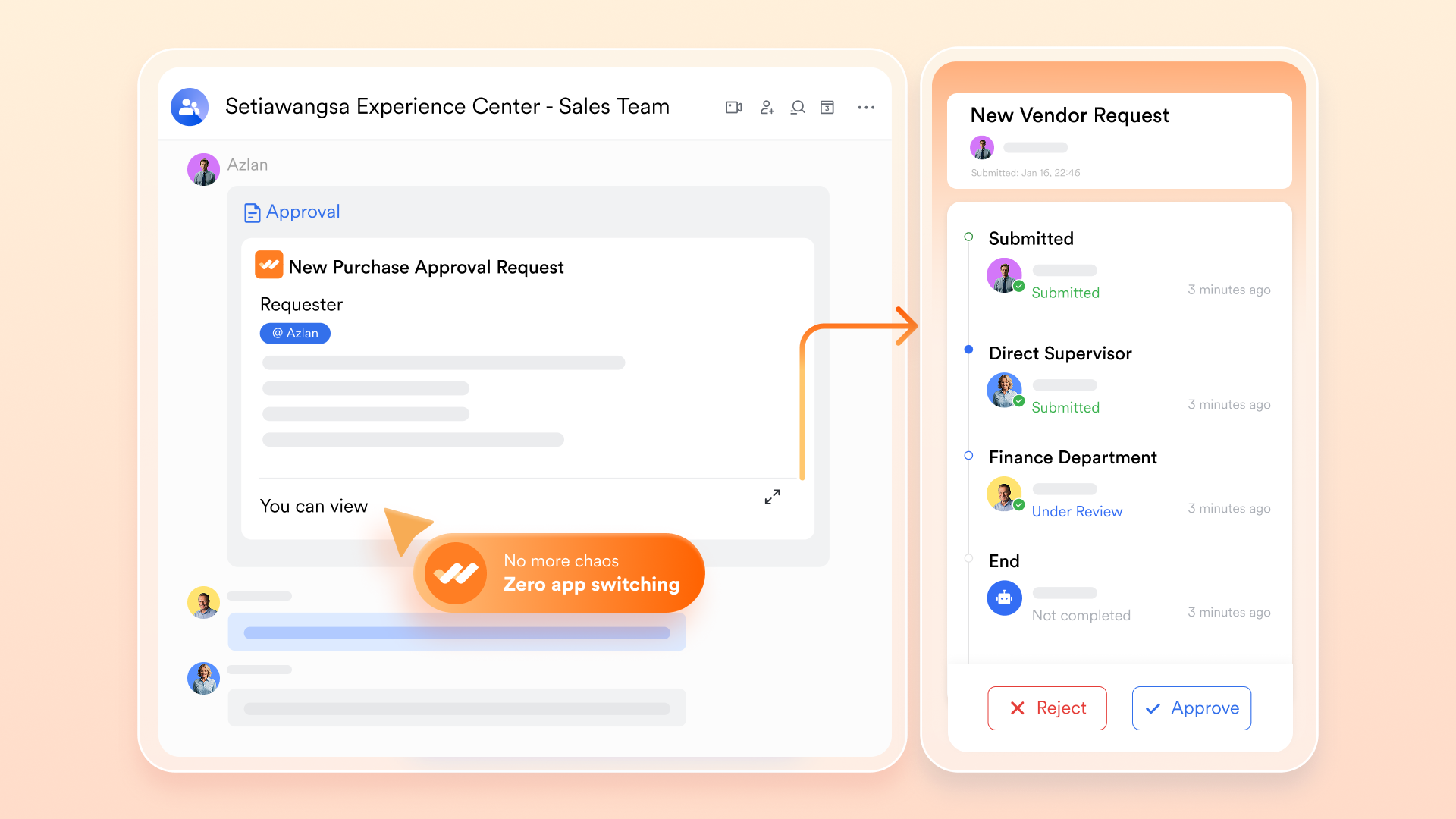
Additionally, feature streamlines workflows for budget requests, project proposals, and milestone approvals. By automating these processes, Lark transforms lengthy email chains into clear and efficient workflows. Requests are automatically directed to the appropriate stakeholders, allowing for swift approvals or comments within the platform, expediting decision-making and maintaining accountability.
Streamlining teamwork with synchronized meetings and calendars
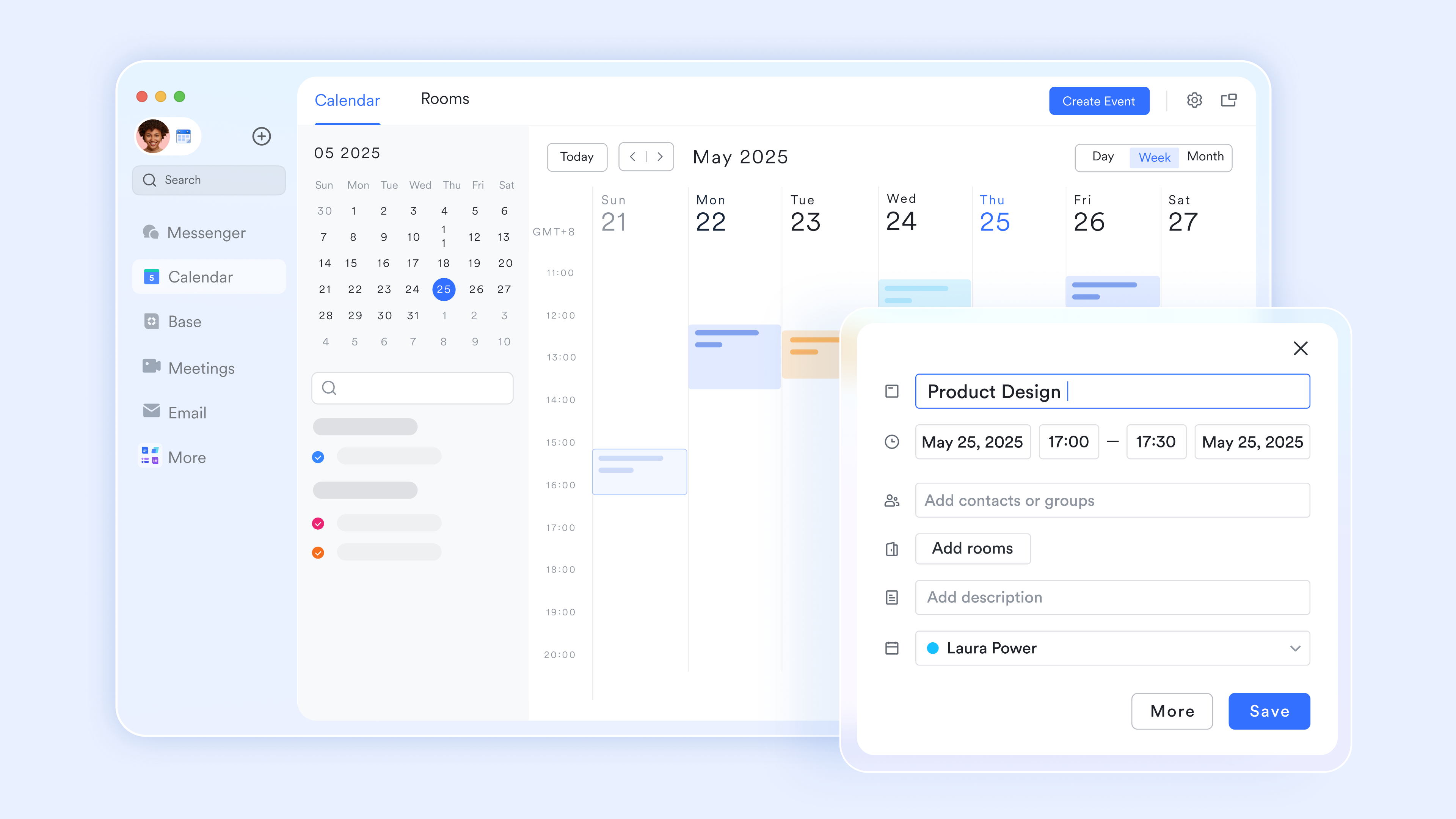
To elevate collaboration, & functionalities enable teams to plan and review project portfolios within the same workspace. With synchronized scheduling and shared notes, teams can coordinate milestone check-ins and strategic discussions with ease. Lark Calendar allows everyone to see project deadlines and team availability at a glance, ensuring proactive planning. For instance, a project management office can schedule regular portfolio reviews that include the latest updates and key performance indicators. After each meeting, notes and action items sync with the related projects, providing clarity on the next steps for everyone involved. This combination of scheduling, collaboration, and reporting ensures continuous communication and alignment across projects.
Why Lark is the right choice for your team
Lark merges project portfolio management features with real-time collaboration, making it an ideal solution for modern organizations. By unifying project management, approvals, documentation, and communication into one intelligent workspace, Lark promotes transparency, accountability, and operational efficiency. This integration of diverse functionalities not only simplifies processes but also enhances project success, ultimately supporting strategic objectives.
:
- Starter plan: Free forever plan that includes 11 powerful tools for up to 20 users. It also comes with 100GB of storage, 1000 automation runs, AI translations, and more.
- Pro plan: $12/user/month (billed annually) for up to 500 users. It includes everything in Starter plus group calling for up to 500 attendees, 15TB of storage, 50,000 automation runs, and more.
- Enterprise plan: for custom pricing. Supports unlimited users and includes even more automation runs and advanced security, compliance, and management features.
For small teams with simple communication needs

18 months message history
1000 Base automation runs/month
2000 rows per table in Base
Most POPULAR
For companies with comprehensive collaboration and management needs
Unlimited message history
500-participant video meetings
50k Base automation runs/month
20k rows per table in Base
For large companies with advanced security and organizational management needs
Get a personalized demo and pricing
Unlimited message history
500-participant video meetings
15 TB storage + 30 GB storage/user
500k Base automation runs/month
50k Base automation runs/month
Most POPULAR
For companies with comprehensive collaboration and management needs
Unlimited message history
500-participant video meetings
50k Base automation runs/month
20k rows per table in Base
PPM best practices
So how can you implement a PPM approach to project management within your organization? Here are some best practices to follow:
- Align projects with strategic goals: Prioritize initiatives that directly contribute to the organization's overarching strategic objectives. Establish clear criteria for project evaluation to ensure resources are allocated to projects offering the greatest potential value and impact.
- Establish a robust governance framework: Define clear roles, responsibilities, and decision-making processes for all aspects of PPM. This ensures that , prioritization, and execution are systematic, transparent, and accountable.
- Employ data-driven decision-making: Base all project-related decisions on objective data and quantifiable metrics rather than intuition. This allows for informed choices regarding project initiation, resource allocation, and portfolio adjustments, maximizing the likelihood of success.
- Foster effective communication and collaboration: Promote open and continuous communication across all departments and stakeholder groups. This facilitates shared understanding, aligns teams towards common goals, and reduces resistance to change, ensuring broader adoption and support for PPM initiatives.
- Implement continuous monitoring and evaluation: Regularly track project progress, performance against KPIs, and overall portfolio health. This enables timely adjustments, course corrections, and strategic pivots as business environments evolve, ensuring the portfolio remains relevant and valuable.
- Invest in ongoing training and development: Provide team members with the necessary training and tools to understand and effectively utilize PPM processes and software. Continuous learning keeps skills current and helps overcome resistance to change by demonstrating the benefits and fostering proficiency.
- Leverage appropriate technology: Utilize project portfolio management software and tools that facilitate real-time data sharing, reporting, and collaboration. The right technology can streamline processes, improve efficiency, and provide critical insights for informed decision-making.
Conclusion
Embracing project portfolio management not only leads to successful project outcomes but also drives organizational growth. By aligning projects with strategic goals, improving decision-making, and optimizing resources, businesses can achieve enhanced efficiency and effectiveness. As demonstrated, leveraging tools like Lark can further amplify these benefits, providing companies with the capability to navigate their project landscape more effectively.
Take first step of portfolio management
FAQs
What are the key benefits of portfolio management in project management?
The key benefits of portfolio management in project management include improved alignment with strategic goals, better resource allocation, and enhanced decision-making. By prioritizing projects that directly support an organization's objectives, teams can ensure that their efforts contribute to overall success. Portfolio management allows for optimal distribution of resources, minimizing waste and maximizing productivity. Additionally, it provides a comprehensive view of all projects, enabling stakeholders to make informed decisions based on performance metrics and risk assessment. This holistic approach not only enhances project success rates but also fosters greater agility in responding to changing business environments.
What are the advantages of portfolio management?
The advantages of portfolio management are substantial, enabling organizations to maximize the value of their projects. One major benefit is improved strategic alignment, ensuring that projects support overarching business objectives. Moreover, portfolio management enhances visibility into project performance, aiding in timely, data-driven decision-making. It also facilitates better risk management by identifying and mitigating potential issues across the project landscape, leading to increased project success rates. By streamlining resource allocation, organizations can reduce waste and optimize productivity. Overall, these advantages drive improved efficiency, accountability, and collaboration within teams, fostering a culture of .
What are the benefits of PPM?
Project portfolio management (PPM) offers numerous benefits that significantly enhance organizational performance. First, PPM aligns projects with strategic business goals, ensuring that every initiative contributes to the company's vision and objectives. This alignment improves resource management, allowing for optimal allocation based on priority and feasibility. Additionally, PPM enhances decision-making through better visibility into project performance and risks, enabling stakeholders to respond promptly to challenges. It also fosters collaboration among teams, encouraging communication and shared responsibility. Ultimately, implementing PPM drives increased project success rates, greater efficiency, and a more agile organization that adapts to changing market conditions.
What is the primary goal of project portfolio management?
The primary goal of project portfolio management (PPM) is to maximize the value and effectiveness of an organization's projects by ensuring alignment with strategic objectives. PPM seeks to evaluate and prioritize projects, enabling organizations to allocate resources efficiently and manage risks effectively. By providing a comprehensive view of the entire project landscape, PPM facilitates informed decision-making, helping stakeholders identify which initiatives will yield the highest returns. Moreover, PPM promotes collaboration and communication among teams, fostering a culture of alignment and accountability. Ultimately, the goal is to optimize project outcomes, drive organizational growth, and enhance overall performance.
Related reading