Understanding different methodologies is crucial for teams aiming to enhance productivity and efficiency. One such hybrid methodology is Scrumban, which merges the structured framework of Scrum with the flexibility of Kanban. This combination not only helps teams manage their workload more effectively but also allows for continuous improvement in their processes. Tools like Lark can significantly aid in implementing Scrumban, facilitating collaboration and communication among team members. In this article, we will delve into what is Scrumban, its key features, benefits, and how to implement it successfully.
What is Scrumban?
Scrumban is defined as that blends principles from both Scrum and Kanban, ultimately providing teams with a customizable approach to handling their tasks and workflows. The is a hybrid approach that integrates key components from the two popular agile methodologies, Scrum and Kanban, to create a flexible and iterative project management system. Scrumban serves as a middle ground between these two agile methodologies, offering a balanced solution for teams seeking the benefits of each method.
Originating from the need to adapt to and optimize complex project environments, Scrumban allows teams to maintain the iterative and structured nature of Scrum while incorporating and flexibility. Scrumban offers teams a flexible, visual, and continuous workflow approach that combines the best elements of Scrum and Kanban for improved project management. Many teams use Scrumban for its adaptability and effectiveness across various team sizes and types.
Join the growing Scrumban revolution today
Key features of Scrumban
Combining Scrum and Kanban
Scrumban's primary appeal lies in its ability to unite the strengths of both Scrum and Kanban. Scrumban incorporates key aspects of the scrum framework, blending with flexible workflow management. It adapts scrum elements such as roles, planning, and review meetings, allowing teams to retain familiar practices while gaining new efficiencies. Teams can enjoy the stability and organization of Scrum through scheduled sprints while gaining the responsiveness and fluidity that Kanban offers. The scrum process typically involves fixed-length sprints, self-organizing teams, and incremental delivery, but Scrumban modifies this by allowing more flexible scheduling and continuous prioritization. Scrumban also blends the practices of scrum teams—small, cross-functional, and self-organizing groups focused on iterative delivery—by maintaining collaboration and adaptability.
Visual management
A hallmark of the Scrumban framework is its emphasis on . By utilizing a Scrumban board, teams can visually track the status of tasks in various stages of completion—from "To Do" to "In Progress" to "Done." For ongoing or long-term projects, a task board is often used to visualize the flow of work and maintain consistency even when deadlines are not fixed. Flow diagrams, such as cumulative flow diagrams, are also used to monitor progress and identify trends or bottlenecks over time. The columns on the board represent process steps, making it easy to see how work moves through each phase.
This visibility not only enhances team accountability but also facilitates discussions during daily stand-ups or weekly reviews. The board visually represents the team's workflow, helping to improve efficiency and flexibility by making each stage of the process clear to everyone involved. The visual representation of work helps in identifying bottlenecks, enabling teams to proactively rather than reactively.
Flexibility and adaptability
Scrumban uses a pull-based system to manage tasks, allowing team members to 'pull' new work only when they have capacity, which helps prevent overload and keeps productivity steady. For example, while traditional Scrum mandates specific ceremonies, Scrumban allows teams to decide when and how often to hold meetings like retrospectives or sessions based on their unique needs. This adaptability also extends to the use of work in progress limits, which help maintain steady productivity by controlling the number of tasks in each stage of the workflow.
is a key metric in Scrumban, as it helps teams visualize and manage the flow of tasks through each stage. Monitoring task assignments and the time from assignment to completion is also essential for understanding workflow efficiency and identifying areas for improvement. By identifying bottlenecks, teams can use WIP limits to prevent task overload, ensuring that no team member is overwhelmed by too many simultaneous tasks.
By understanding and implementing these key features, teams can effectively harness the power of Scrumban to enhance their project management practices, ultimately leading to higher efficiency and satisfaction.
Best practices for Scrumban
Successfully implementing Scrumban brings together the best of both worlds, creating something truly powerful when approached with care and intention. It's about more than just combining Scrum and Kanban—it's about building a methodology that grows with your team and consistently delivers meaningful results. Here are some proven best practices that will help your Scrumban team thrive and reach its full potential:
Embrace continuous improvement scrumban
Building a culture of ongoing enhancement becomes the foundation of your success. Regular process reviews aren't just meetings—they're opportunities to celebrate wins and identify exciting possibilities for growth. Schedule retrospectives or feedback sessions where your team can openly share what's energizing them and where they see potential for positive change. These conversations become the fuel for refining your processes, ensuring your project management methodology stays fresh and aligned with your team's evolving strengths. Customize your workflow
The beauty of Scrumban lies in its remarkable adaptability to your team's unique personality and objectives. Feel confident in shaping the framework to match your specific challenges and aspirations. Whether it's adjusting your Scrumban board, fine-tuning WIP limits, or finding the perfect meeting rhythm, these customizations become the key to unlocking your team's natural workflow and achieving peak efficiency.
Foster transparent communication
Creating an environment where open dialogue flourishes naturally leads to faster problem-solving and stronger team bonds. Visual management tools become your allies in keeping everyone connected and informed, making progress, challenges, and priorities crystal clear for the entire team. This openness forms the backbone of effective project management and naturally cultivates a sense of shared responsibility and mutual support.
Prioritize on-demand planning
Moving beyond rigid planning cycles opens up exciting possibilities for agility and responsiveness. An on-demand approach to prioritizing and task assignment empowers your team to gracefully while consistently focusing on the work that delivers the greatest value. This flexibility becomes a competitive advantage that keeps your projects moving forward with purpose.
Leverage metrics for decision-making
Key performance indicators like cycle time, lead time, and throughput become valuable insights into your team's rhythm and capabilities. This data transforms into a compass for identifying opportunities to and support your team's commitment to continuous growth. Numbers tell a story of progress and point toward even greater achievements ahead.
Support team autonomy
Empowering team members to take ownership and make thoughtful decisions within the Scrumban framework creates an atmosphere where innovation naturally flourishes. This autonomy not only energizes individuals but also sparks creativity and strengthens accountability, ultimately leading to more satisfying and successful project outcomes for everyone involved.
By embracing these best practices, Scrumban teams can confidently harness the combined strengths of both Scrum and Kanban, building a dynamic and that stands the test of time. Remember, implementing Scrumban is an enriching journey of discovery—continuous improvement and adaptability remain the cornerstone of sustained success and team fulfillment.
Transform your workflow with Scrumban insights
Benefits of using Scrumban
Scrumban offers a variety of advantages that can significantly enhance Process improvement is a key benefit of Scrumban, as it encourages incremental enhancements in team performance and efficiency. Many teams find that Scrumban provides a balanced approach between Scrum and Kanban, making it a sustainable choice for continuous improvement.
Enhanced collaboration
One of the primary benefits of adopting Scrumban is the improved collaboration it fosters among team members. Cross functional teams, which possess a diverse set of skills necessary to complete end-to-end tasks, benefit from Scrumban's flexibility and continuous flow features, allowing them to manage entire workflows without relying on external handoffs. By combining —such as daily stand-ups and retrospectives—with the flexibility of Kanban's visual task management, teams can engage in more effective communication. In practice, this means team members are consistently aware of each other's progress, challenges, and achievements. For agile teams, Scrumban enhances collaboration, visibility, and efficiency, making it easier to scale agile practices across multiple teams within an organization.
Improved workflow efficiency
Scrumban is designed to optimize workflow, which is achieved through several key practices, helping teams prioritize tasks effectively, enabling collaborative and continuous prioritization based on the product's needs so team members can select what to work on first. This emphasis on maintaining a steady flow not only leads to increased productivity but also ensures that is not compromised.
Additionally, the flexibility of Scrumban allows teams to adapt their workflow based on real-time feedback and changing project needs, which is crucial for maintaining efficiency in fast-paced environments. Teams working in dynamic industries or cross-functional teams collaborating with external stakeholders particularly benefit from Scrumban's adaptability.
Continuous improvement
The iterative nature of Scrumban facilitates continuous improvement within teams. By encouraging regular feedback sessions and using metrics to evaluate performance, teams can identify areas for enhancement and implement changes swiftly. The team's ability to adapt and improve is crucial in Scrumban, as it directly influences how effectively the team can respond to changing requirements and deliver value. For instance, using Scrumban metrics helps teams measure , lead time, and throughput, enabling them to understand their efficiency better. Teams can then hold retrospectives to discuss these metrics and make necessary adjustments, ensuring that processes evolve alongside the project requirements.
Start your exciting Scrumban journey today
Comparison: Scrumban vs. Scrum vs. Kanban
In the landscape of Agile methodologies, Scrum and Kanban are popular agile methodologies, each offering distinct principles and structures to support team collaboration and . Scrumban is a hybrid that combines elements of both Scrum and Kanban, bringing unique strengths and characteristics to project management. Understanding their similarities and differences can help teams choose the right approach for their specific needs.
Similarities and differences
- Scrum: A structured that utilizes defined roles (e.g., Scrum Master, Product Owner) and time-boxed iterations called sprints, typically lasting from one to four weeks. Scrum emphasizes team collaboration and regular feedback through ceremonies such as sprint planning, daily stand-ups, and retrospectives.
- Kanban: This methodology is centered around continuous delivery and visual task management. Kanban does not prescribe roles or iterations; instead, it focuses on maximizing flow and minimizing work in progress (WIP) with visual boards displaying the status of tasks.
- Scrumban: A hybrid approach that combines elements from both Scrum and Kanban, allowing teams to maintain the iterative benefits of Scrum while leveraging the visual management and flexibility found in Kanban. Scrumban can use iterations but is inherently adaptable, allowing for a continuous backlog management approach.
Read more about comparison -
When to use each methodology
Understanding when to use Scrumban, Scrum, or Kanban can significantly impact project success. Here are scenarios where each methodology might be most effective:
When to use Scrum
- Ideal for projects with well-defined requirements that benefit from iterative cycles and regular feedback.
- Particularly useful in environments where teams can dedicate time to planned sprints and ceremonies.
- Best suited for teams that appreciate the structure and clearly defined roles.
Case study: A software development team working on a new app might use Scrum to break down the project into manageable sprints, allowing them to iterate on features based on user feedback effectively.
Read more about this -
When to use Kanban
- Preferable for teams needing maximum flexibility and continuous delivery of work without strict deadlines.
- Suitable for environments with fluctuating workloads, allowing team members to pull tasks as they have capacity.
- Works well in operational teams that handle incoming requests and prioritize ongoing work without defined iterations.
Case study: A managing service requests may implement Kanban to visualize the workflow, ensuring that tickets are addressed promptly while adapting to varying volumes of incoming issues.
Read more about this -
When to use Scrumban
- Best for teams seeking a balance between structured planning and flexibility, often in hybrid environments where can change.
- Effective when team members come from different backgrounds (Scrum vs. Kanban) and require a blend of both methodologies to work efficiently.
- Ideal for projects transitioning from one methodology to another, allowing for a gradual shift without losing momentum.
Case study: A marketing team juggling multiple campaigns may utilize Scrumban to adapt quickly to changing priorities while still benefiting from regular planning sessions to align their efforts and maintain accountability.
By carefully considering the strengths and appropriate use cases for each methodology, teams can harness the right to enhance their project management success. Whether adopting Scrum, Kanban, or Scrumban, the ultimate goal remains the same: delivering value efficiently and effectively while fostering a .
How to implement Scrumban
Implementing Scrumban involves several key steps to ensure a smooth transition from traditional Scrum or Kanban practices. To manage a scrumban project, teams should utilize , plan sprints, hold daily standups, and conduct retrospectives to support the Scrumban workflow. Here's how teams can effectively adopt this hybrid methodology:
Transitioning from Scrum or Kanban
For teams already familiar with either Scrum or Kanban, transitioning to Scrumban can be relatively straightforward. The first step is to conduct an assessment of the existing workflows and practices. This helps identify what elements are effective and what might need adjustment. Teams should then gradually introduce Scrumban principles, such as using a Scrumban board to visualize workflow and limit work in progress. It's important to encourage team members to share feedback throughout the transition to identify challenges and make real-time adjustments.
Setting up a Scrumban board
Creating a Scrumban board is an essential step in implementing this methodology. A typical Scrumban board will feature columns representing different stages of the work process, such as "Backlog," "In Progress," and "Completed." Each task can be represented by cards placed in the appropriate column. and updating the board during stand-ups fosters accountability and keeps all team members aligned with project goals.
Boost team collaboration with Scrumban techniques
Tools for Scrumban management
To successfully manage Scrumban, teams can leverage various tools that facilitate real-time collaboration and . Lark, for example, offers unified communication features and task management capabilities that align perfectly with Scrumban practices. Through Lark, team members can communicate instantaneously, convert messages into actionable tasks, and collaboratively manage their work in real-time.
is a powerful and comprehensive productivity suite designed to support teams in their collaborative efforts, making it an ideal tool for implementing Scrumban. Its diverse functionalities facilitate effective workflow management, task execution, and team collaboration. Here's an overview of Lark's key components that can enhance the use of Scrumban:
Lark Base: The core visual engine for Scrumban
serves as a multi-dimensional database that provides a flexible tabular structure and various viewing modes, perfectly suited for visual workflow management in Scrumban.
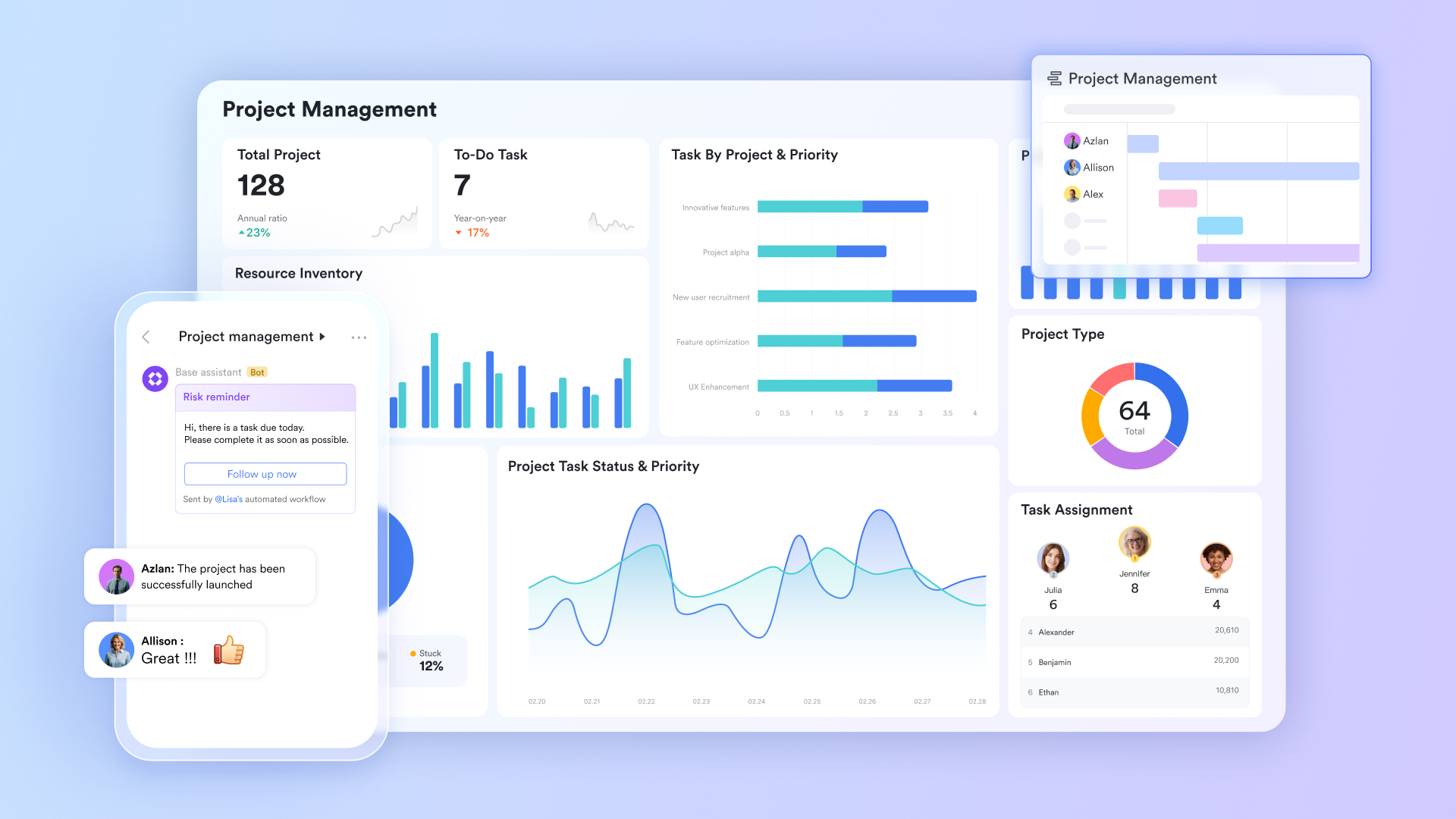
Here's how it supports Scrumban:
Flexible Scrumban board creation: Teams can create dashboards to visually manage project by arranging them according to their statuses (To Do → In Progress → Testing → Done). Tasks can be easily moved between statuses through simple drag-and-drop actions. Multiple view options: Users can switch seamlessly between Kanban view, list view, and adapting to different Scrumban scenarios for better clarity and organization. 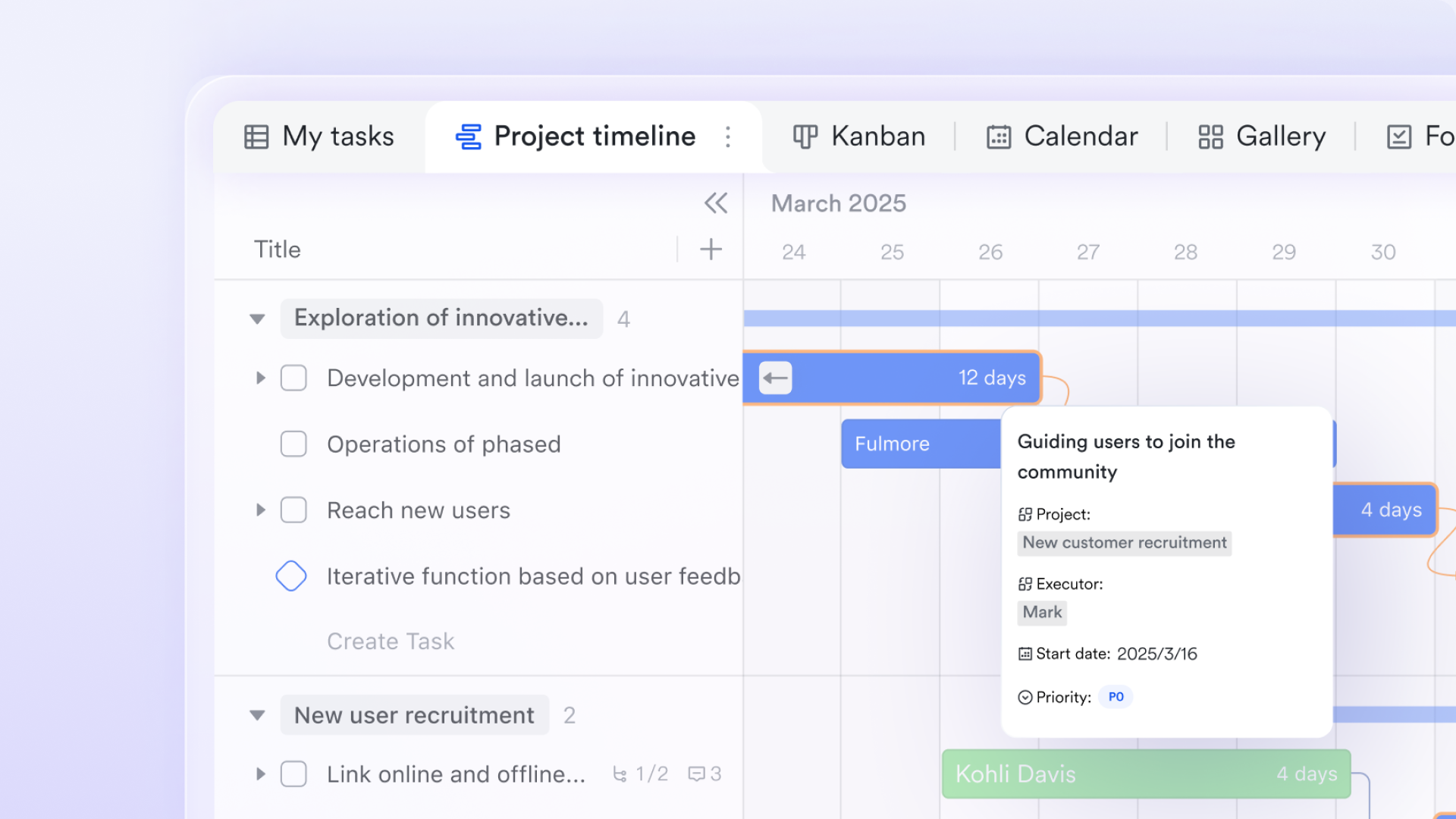
Real-time data synchronization: Any modifications made are instantly reflected across all views, ensuring that the team has access to the most up-to-date information.
Iteration : By utilizing fields like "Date" and "Status," teams can easily plan and track iterations, enhancing their ability to meet deadlines.
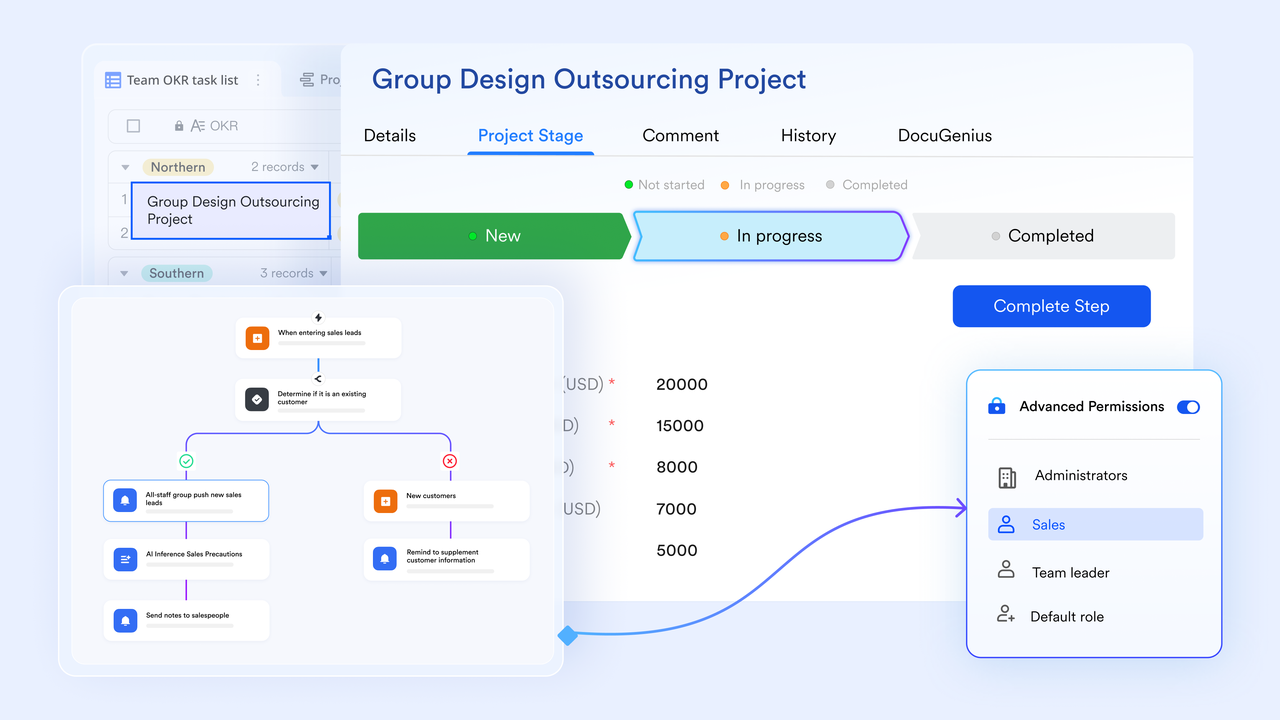
Intelligent fields for data management and analysis: These features support data-driven retrospectives by providing analysis and reporting capabilities that inform decision-making. Custom automation rules: Automate notifications in when task status changes to "Completed," streamlining communication regarding project progress.
Lark Tasks: The task execution and tracking tool for Scrumban
Lark Tasks is designed to facilitate effective task management, making it an excellent choice for the execution phase of Scrumban: 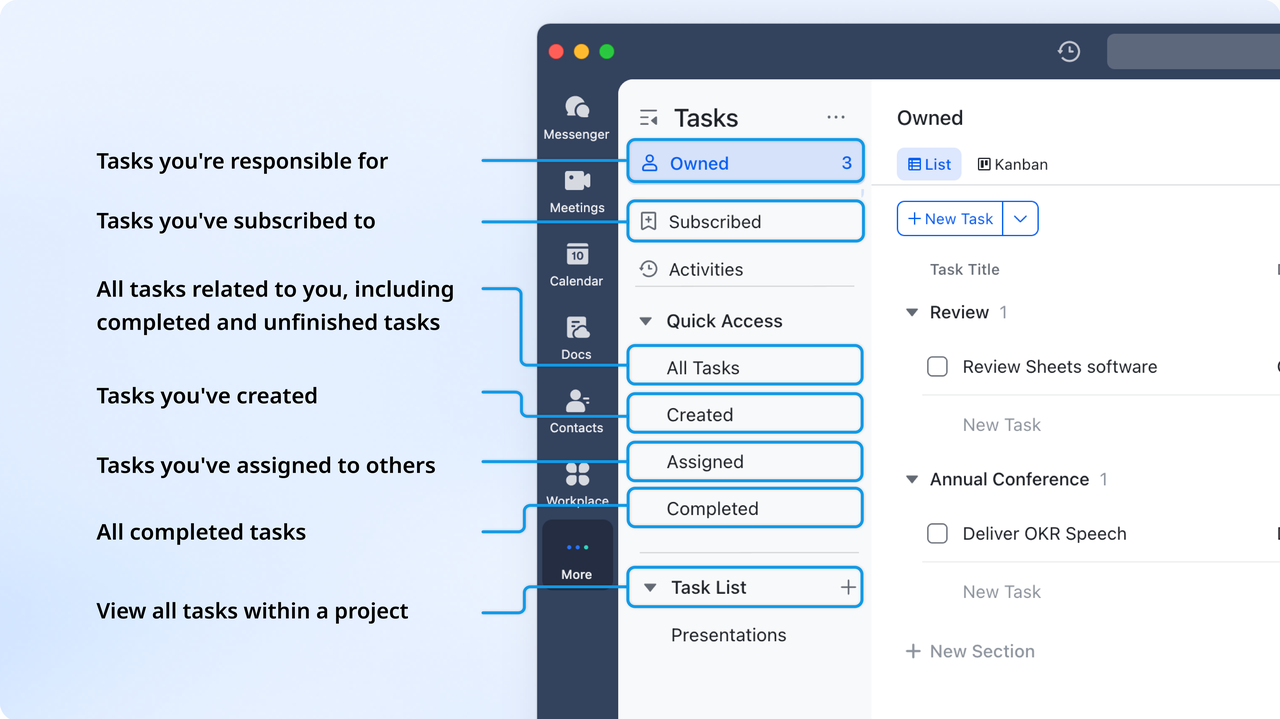
Multi-level priority settings: Teams can prioritize tasks as High, Medium, or Low, ensuring that high-value tasks are addressed first.
Hierarchical task breakdown: Tasks can be structurally decomposed into subtasks, adhering to Scrumban's principle of detailed demand management. Larger user stories can be divided into smaller, manageable tasks, aligning with Scrumban's philosophy of delivering work in small increments.
Flexible task display options: In addition to traditional lists, tasks can be visualized in Kanban boards or Gantt view, providing a clear picture of progress. Collaboration on tasks: Tasks can be assigned to multiple team members, allowing for shared accountability and visibility on overall progress.
Essential task information: Task cards include current status, assignee, and deadlines for efficient stand-up meetings.
Overdue alerts and completion confirmation: Features ensure smooth Scrumban processes by reminding team members of approaching deadlines and confirming task completion.
Lark Docs & Wiki: Knowledge management tool for Scrumban
empower teams with enhanced document collaboration and knowledge management capabilities essential for Scrumban:
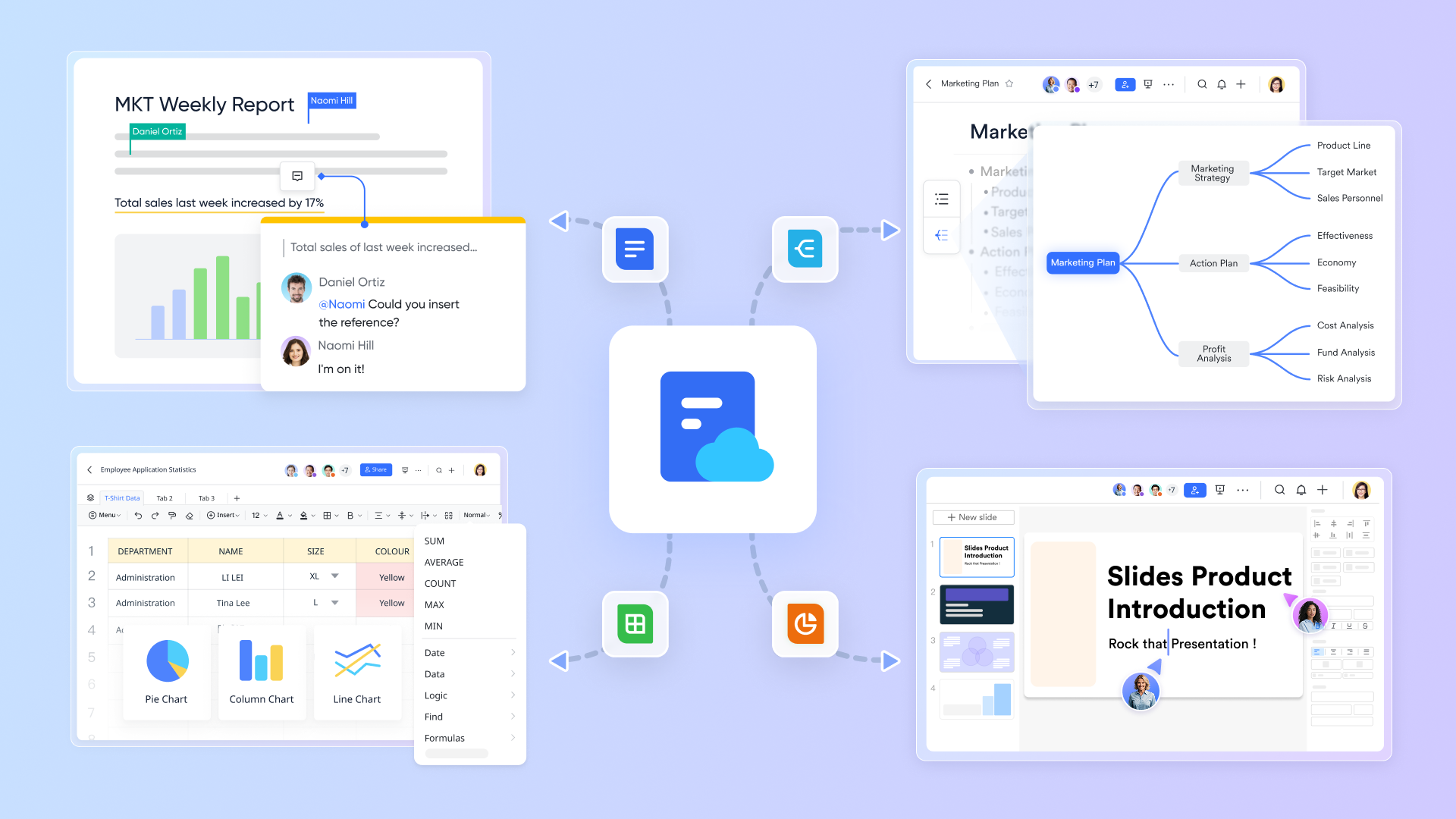
Real-time document collaboration: Team members can collaboratively edit requirement documents and user stories, ensuring that every detail is addressed collectively. The @mention feature enables quick task assignments, reducing communication overhead. Direct combination with Lark Base: Documents can be linked and embedded in Lark Base, creating a seamless connection from requirements to implementation.
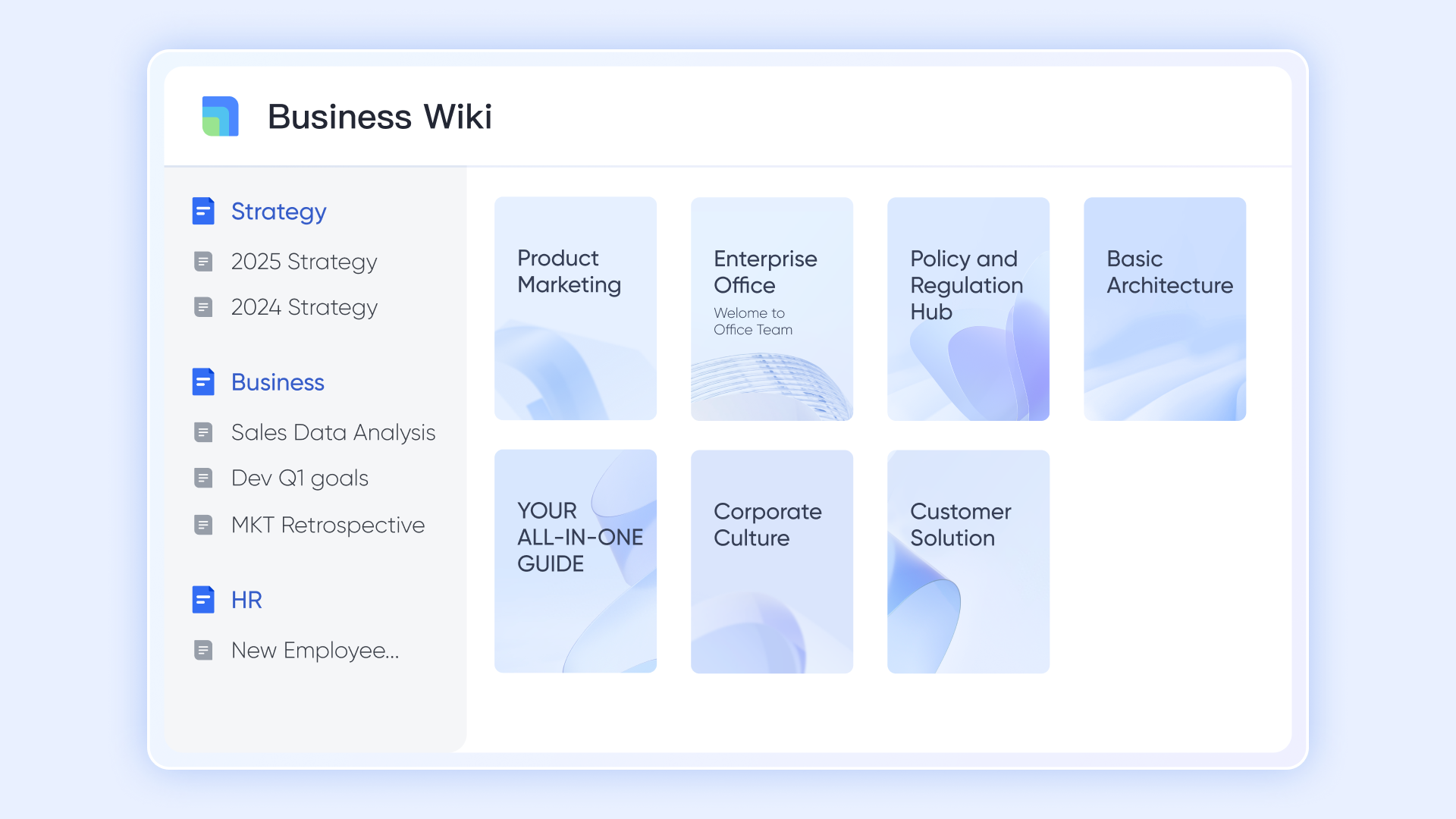
Version history tracking: The version history function preserves all changes made during iterations, making it easy to trace and analyze project evolution. Creating a knowledge hub: Wiki features allow teams to build a repository of Scrumban practices, guidelines, and FAQs, ensuring critical steps like requirement reviews and testing don't get overlooked.
Lark as a seamless collaboration ecosystem for Scrumban
Lark's deep integration of various functionalities creates a comprehensive ecosystem for Scrumban, enhancing collaboration through tools such as and . Team members can easily transition between tasks, discussions, and documentation without losing context, leading to a more cohesive and efficient project management experience.By leveraging Lark's extensive features, teams can effectively implement Scrumban, streamline their workflows, and drive better project outcomes through enhanced collaboration and productivity. The combination of visual tools, capabilities, and knowledge collaboration ensures that Scrumban is not just understood but effectively utilized within teams.
:
- Starter plan: Free forever plan that includes 11 powerful tools for up to 20 users. It also comes with 100GB of storage, 1,000 automation runs, AI translations, and more.
- Pro plan: $12/user/month (billed annually) for up to 500 users. It includes everything in Starter plus a group calling for up to 500 attendees, 15TB of storage, 50,000 automation runs, and more.
- Enterprise plan: for custom pricing. Supports unlimited users and includes even more automation runs and advanced security, compliance, and management features.
For small teams with simple communication needs

18 months message history
1000 Base automation runs/month
2000 rows per table in Base
Most POPULAR
For companies with comprehensive collaboration and management needs
Unlimited message history
500-participant video meetings
50k Base automation runs/month
20k rows per table in Base
For large companies with advanced security and organizational management needs
Get a personalized demo and pricing
Unlimited message history
500-participant video meetings
15 TB storage + 30 GB storage/user
500k Base automation runs/month
50k Base automation runs/month
Most POPULAR
For companies with comprehensive collaboration and management needs
Unlimited message history
500-participant video meetings
50k Base automation runs/month
20k rows per table in Base
Common mistakes to avoid in Scrumban
While Scrumban presents an effective framework for managing projects, teams may encounter several pitfalls during its implementation. Here's a list of common mistakes to avoid, along with tips on how to mitigate these issues.
Lack of clear roles
Issue: In Scrumban, teams sometimes overlook establishing roles due to the hybrid nature of methodology. This can lead to confusion regarding responsibilities and authority, ultimately affecting team dynamics.
Tip: Clearly define roles at the outset. Even if Scrumban is less rigid than Scrum, having designated roles such as a facilitator or project leader can provide structure. Establishing who is responsible for what can help in maintaining accountability and ensuring everyone knows their contributions to the team's goals.
Inflexibility in adapting to changes
Issue: While Scrumban is designed to be flexible, teams may sometimes cling to established processes and fail to adjust based on feedback and changing project needs. This rigidity can stifle creativity and slow down progress.
Tip: Encourage a culture of adaptability within the team. Conduct regular retrospective meetings to discuss what is working and what isn't. Use these insights to adjust processes as needed, allowing the framework to evolve in response to team and project demands. Neglecting continuous improvement
Issue: Scrumban emphasizes continuous improvement, but teams can fall into the trap of focusing solely on immediate deliverables without ever reflecting on their processes and practices.
Tip: Implement regular check-ins to evaluate and project outcomes. Utilize Scrumban metrics, such as cycle time and lead time, to assess how well the team is functioning. These discussions can spur constructive feedback and improvements that enhance efficiency over time.
Avoid common mistakes with the rifht approach
Conclusion
Scrumban emerges as a powerful methodology that blends the best features of Scrum and Kanban, enabling teams to navigate the complexities of modern project management with greater ease and effectiveness. By providing a flexible framework that fosters collaboration, visual task management, and continuous improvement, Scrumban empowers teams to respond swiftly to changing demands while maintaining a clear structure. The insights discussed in this article highlight how Scrumban's principles can lead to enhanced productivity and engagement within teams.
As organizations continue to evolve in their project management approaches, adopting methodologies like Scrumban can pave the way for better outcomes. Tools like Lark serve as valuable allies in this journey, significantly enhancing the implementation of Scrumban practices. With its integrated communication, task management, and real-time collaboration features, helps teams leverage Scrumban to achieve their goals while ensuring that all members are aligned and informed.
FAQs
What is the difference between Scrum and Scrumban?
Scrum is a structured Agile framework that utilizes fixed-length iterations called sprints, along with defined roles and ceremonies. Scrumban, on the other hand, combines elements of Scrum and Kanban, offering more flexibility and visual task management without strictly defined roles or sprint boundaries. This allows teams to adapt their processes as project needs change.
Why choose Scrumban?
Choosing Scrumban offers a hybrid approach that leverages the structured aspects of Scrum alongside the visual, flow-oriented nature of Kanban. This makes it ideal for teams that require flexibility to manage changing priorities while still benefiting from a structured workflow. Scrumban is suitable for environments where project requirements evolve quickly, allowing teams to adapt without losing focus on their goals.
Does Scrumban have sprints?
Scrumban does not inherently use sprints like Scrum does. Instead, it emphasizes a continuous flow of work and allows teams to manage tasks in real time. However, teams can choose to incorporate sprints if they find it beneficial to their workflow, allowing for a level of customization based on their unique project requirements.
What is Scrum and why is it used?
Scrum is an Agile framework that focuses on iterative development, using time-boxed iterations called sprints to deliver small increments of a product. It is used to facilitate collaboration and adaptability among team members while providing a structured approach to project management. Scrum is particularly effective in environments where requirements are expected to evolve over time, allowing teams to deliver value incrementally and respond to changes promptly.
Related reading